International

Why Contemporary Artists Are Intentionally Creating Works That Look “Unfinished”?

Posted on 4 min read 2 views

For decades, technical perfection was treated as one of the highest goals in visual art. Clean execution, polished surfaces, balanced composition, and complete visual harmony were often associated with professionalism and artistic mastery. Whether in painting, photography, illustration, or digital design, the finished artwork was expected to feel complete, controlled, and fully resolved.

Today, however, a growing number of contemporary artists are deliberately moving in the opposite direction. Sketch-like lines, rough textures, visible edits, unfinished backgrounds, asymmetry, distorted anatomy, and exposed brushstrokes are becoming increasingly common across galleries, digital platforms, fashion campaigns, and independent visual culture.

At first glance, these works can appear accidental or incomplete. In reality, the unfinished quality is often entirely intentional.

The Exhaustion of Digital Perfection

One of the biggest reasons behind this shift is the overwhelming polish of modern visual culture. Social media feeds are filled with hyper-clean photography, AI-generated imagery, flawless rendering, and endlessly optimized content designed for instant consumption. In this environment, perfection has started to feel emotionally distant.

Many viewers no longer associate polished visuals with authenticity. Instead, excessive refinement can create the impression of artificiality or emotional emptiness. As a result, unfinished aesthetics have become a way to reintroduce vulnerability, unpredictability, and human presence into visual work.

Creative software has also changed the psychology of image-making itself. Artists now have almost unlimited ability to smooth textures, correct imperfections, balance lighting, and endlessly revise compositions. Ironically, the easier perfection becomes, the less emotionally interesting it often feels.

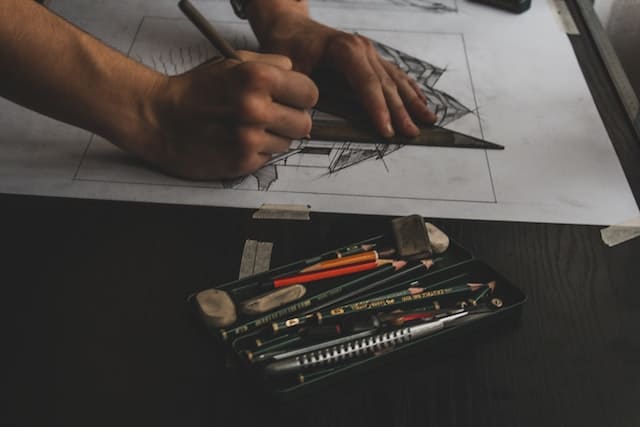
Contemporary artists increasingly react against this condition by preserving traces of process rather than hiding them. Pencil marks remain visible. Layers stay partially exposed. Brushstrokes interrupt compositions instead of disappearing into polished surfaces. The artwork begins to function less as a perfected object and more as evidence of creative movement.

The Emotional Power of Incompletion

This tendency is especially visible in digital illustration and contemporary painting. Many younger artists intentionally leave portions of the composition unresolved. A figure may be carefully detailed while the surrounding environment remains abstract or sketch-like. In some cases, only fragments of a face are fully rendered while the rest dissolves into texture or negative space.

These decisions are rarely signs of laziness. Instead, they create tension between completion and absence. The viewer becomes aware of what is missing, and that absence itself becomes emotionally meaningful.

Unfinished visuals also interact differently with modern attention spans. Digital culture encourages rapid scrolling and immediate visual understanding. Highly polished imagery often delivers information too quickly. The viewer understands everything instantly and moves on.

Unfinished work behaves differently. It creates moments of uncertainty. The eye lingers longer because the image feels unresolved. The viewer subconsciously tries to “complete” the work mentally. This interaction can make unfinished art feel more intimate than fully resolved imagery.

In many ways, modern unfinished aesthetics are deeply connected to emotional realism. Perfect images often suggest total control. Unfinished images suggest instability, openness, and human limitation. In a cultural moment shaped by anxiety, burnout, uncertainty, and digital exhaustion, many artists are less interested in creating visual perfection than in expressing emotional texture.

A Reaction Against Algorithmic Visual Culture

For many younger creators, unfinished aesthetics also function as a form of resistance against performance-driven creativity. Social media platforms constantly reward optimization, consistency, and algorithm-friendly visuals. This pressure affects not only how artists publish work, but how they think about creativity itself.

As a response, many artists intentionally embrace roughness, interruption, ambiguity, and imperfection. Some openly describe these aesthetics as anti-algorithmic. Highly polished visuals tend to follow predictable digital patterns, while unfinished work preserves individuality inside increasingly homogenized visual environments.

The rise of AI-generated imagery has accelerated this tendency even further. AI systems are extremely good at producing technically polished visuals. Lighting is balanced, anatomy is corrected, textures are smooth, and compositions appear complete. As these images become more common, many human artists are moving toward visual qualities that AI still struggles to reproduce convincingly: hesitation, emotional inconsistency, accidental texture, incompletion, and imperfection.

In this context, unfinished aesthetics become almost a signature of human presence.

The Return of Process-Oriented Art

The idea of incompletion has a long history in art itself. Many classical sketches, studies, and unfinished works by famous painters have fascinated viewers precisely because they reveal process rather than perfection. Contemporary artists are, in some ways, returning to this openness.

Instead of presenting art as a sealed final product, they expose creation as something fluid and ongoing. This attitude is increasingly visible beyond galleries. Graphic design, editorial visuals, album covers, independent publishing, and digital branding all show signs of the same shift. Handwritten typography, visible layering, rough cropping, imperfect alignment, and incomplete visual systems are now common even in professional creative industries.

Interestingly, unfinished aesthetics often create stronger emotional atmosphere than polished visuals. A rough sketch can sometimes feel more intimate than a perfectly rendered painting because it leaves emotional space for interpretation. The viewer participates in the image rather than simply consuming it.

This may explain why unfinished-looking works resonate so strongly in contemporary culture. Modern audiences are surrounded by finished products everywhere — optimized feeds, curated identities, hyper-edited content, and algorithmic recommendations. In contrast, unfinished visuals suggest openness and possibility. They feel less controlled and therefore more alive.

Why Unfinished Art Feels So Contemporary

The popularity of unfinished aesthetics reflects changing ideas about creativity itself. Older models often imagined the artist as someone moving toward technical perfection. Contemporary creative culture increasingly values experimentation, process, vulnerability, and atmosphere instead.

As a result, the unfinished artwork no longer appears incomplete in a negative sense. In many cases, incompletion becomes the actual point of the work. It signals that creativity is not always about resolution. Sometimes it is about tension, interruption, uncertainty, and emotional movement.

And perhaps that is exactly why unfinished art feels so contemporary today. It mirrors a world where very few things feel fully resolved, stable, or complete.

Share

By

Art as Resistance – How Creativity Fuels Global Struggles for Justice

Posted on 4 min read 343 views

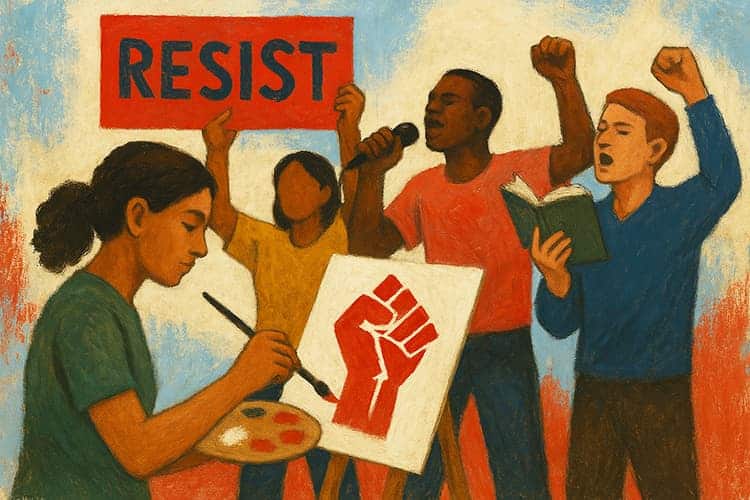
Art is often seen as a space of beauty or escape, but it has long been a frontline tool in political resistance. Across continents and centuries, artists have created works that challenge authority, expose injustice, and inspire collective action. Whether it’s a mural painted on a wall in protest, a film that confronts colonial history, or a poem shared in secret, creative expression often becomes a weapon when other forms of power are denied.

In today’s global landscape of inequality, exploitation, and authoritarianism, art continues to play a vital role in movements for justice. This article explores how artistic resistance connects communities across borders, fuels activism, and creates the cultural groundwork for political transformation.

The Power of Visual Symbols in Protest

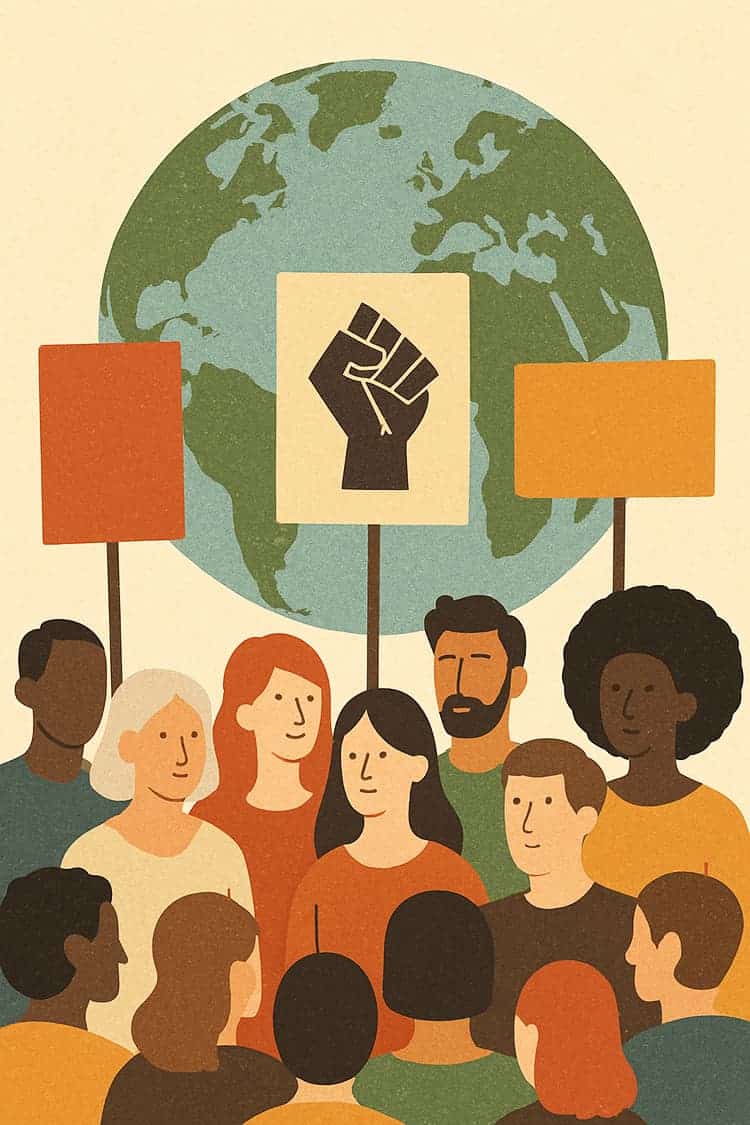
From raised fists to red flags, the imagery of protest is deeply embedded in visual culture. A powerful symbol can outlive a headline or policy document. Street artists, graphic designers, and community muralists often contribute directly to movements by giving them a visual language.

In Latin America, political muralism has been central to people’s resistance since the early 20th century. Figures like Diego Rivera and David Alfaro Siqueiros used public walls to tell stories of labor, colonialism, and struggle. Their legacy lives on today in the painted walls of Santiago, Bogotá, and Mexico City, where artists continue to confront neoliberalism, patriarchy, and state violence.

Visual art does more than decorate a cause — it makes it visible. In many regions, particularly under authoritarian rule, this visibility comes with risk. Yet even under threat, artists continue to make bold statements, proving that creativity is not neutral — it is a terrain of resistance.

Music and Memory – Soundtracks of Rebellion

Songs have a unique ability to cross borders, languages, and generations. Music has always been part of resistance movements, acting both as a rallying call and a way to preserve memory. Protest songs in South Africa, civil rights anthems in the United States, and anti-imperialist chants in Palestine have all demonstrated how rhythm and lyrics can carry the heartbeat of revolution.

Many of these songs are created collectively, passed orally, or remixed into new forms. This shared creation reflects the values of the movements they support — collaboration, horizontalism, and endurance. In times of censorship, music often becomes a safer space to express what cannot be said directly. Even instrumental music, through tone and context, can convey resistance.

Beyond just performing at rallies, musicians often use their platforms to challenge the status quo, confront governments, and uplift silenced voices. Music, like all forms of culture, is not separate from politics — it is shaped by it, and it shapes back.

Poetry, Language, and the Fight for Cultural Survival

Poetry and spoken word carry a different kind of power — quiet, reflective, but deeply cutting. In many colonized and occupied regions, poets are guardians of cultural memory. Writing in indigenous or marginalized languages becomes a form of refusal, a way to push back against the cultural erasure that often accompanies economic and military domination.

Language has long been a battleground. Colonial systems aimed to replace local tongues with imperial ones. Today, the act of writing, speaking, and performing in native languages is a radical act. Poets don’t only resist with content — they resist with form and voice.

In resistance literature, poems often serve as documents of historical memory. They preserve names, places, and experiences that official histories seek to erase. They create space for mourning and for rage. And in the process, they make room for healing and solidarity.

Theatre and Performance as Political Intervention

The stage, whether literal or symbolic, offers a space to reimagine society. Political theatre has existed for centuries, from the dramas of ancient Greece to the agitprop street performances of the 20th century. Today, in regions facing repression, censorship, or deep inequality, theatre remains a sharp tool for consciousness-raising and community building.

Performances that take place in the street or in public squares often blur the line between spectator and participant. They invite people into a shared emotional experience, and sometimes into direct action. In parts of the world where media is controlled or distrusted, theatre offers a more direct and embodied form of communication.

Many political movements incorporate elements of performance — processions, symbolic gestures, collective chants. These are not just tactics; they are expressions of collective imagination. Art in public space creates new possibilities for dialogue and action, particularly when the institutions of democracy fail.

Conclusion – Culture is a Site of Struggle

The struggle for justice is not only waged through laws, elections, or economic shifts. It is also waged through stories, symbols, sounds, and images. Art is not an accessory to resistance — it is often its spark and its soul.

As global movements continue to fight for climate justice, decolonization, workers’ rights, and freedom from authoritarianism, art will remain one of the most powerful tools we have. It speaks across borders, outlives repression, and imagines new worlds into being.

Artists are not on the sidelines of political change — they are right in the heart of it. And their work reminds us that resistance is not only about survival, but also about joy, imagination, and the collective creation of a better future.

Share

By

Tactile Futures: The Resurgence of Traditional Art Techniques in the Digital Age

Posted on 4 min read 5 views

In an era where screens dominate daily life and digital tools shape much of our creativity, a quiet but powerful movement is underway: the revival of traditional art techniques. As artists navigate an increasingly digital world, many are returning to tangible media—charcoal, oil paints, watercolors, and hand-pressed prints—not as a rejection of innovation, but as a way to rediscover the physical, emotional, and sensory experiences that digital tools often fail to replicate. This tactile renaissance reflects a deeper need for balance, authenticity, and human connection in creative expression.

A Digital Overload

The digital revolution has transformed the art world in remarkable ways. With the rise of graphic tablets, design software, virtual reality installations, and AI-generated art, artists today can create complex, high-resolution work more quickly and efficiently than ever before. Platforms like Procreate, Adobe Creative Suite, and Blender have become staples for professional and aspiring artists alike.

However, with these advances comes a form of creative fatigue. The constant interface with screens, the impersonal nature of pixels, and the reproducibility of digital art have led some to feel disconnected from the very process of making. Many artists describe a kind of “digital burnout,” where the lack of physical engagement with their medium reduces the joy and intimacy they once found in creating.

The Return to Materials

This longing has catalyzed a renewed interest in traditional techniques. More and more artists are trading styluses for brushes, tablets for canvases, and screens for sketchbooks. Art schools and community studios have reported increased enrollment in classes focused on printmaking, figure drawing, and ceramics. Social media platforms, ironically, have helped this trend grow—Instagram and TikTok are now filled with satisfying videos of brush strokes on textured paper, ink being pressed into handmade prints, and time-lapse footage of oil paintings coming to life.

The appeal of traditional methods lies not only in their aesthetics but in their physicality. The smell of linseed oil, the resistance of charcoal on rough paper, the unpredictable flow of watercolor—all these sensations ground the artist in their body, in real time and space. They foster a kind of mindfulness that’s harder to achieve with digital tools.

Imperfection as Beauty

Another driver of this movement is the beauty of imperfection. In the digital world, “undo” buttons and perfectly symmetrical tools can eliminate all flaws, but also all traces of humanity. Traditional art, by contrast, embraces the unexpected. A slip of the hand becomes part of the final piece. A watercolor bloom might ruin a plan but inspire a new direction. These moments of unpredictability and organic development mirror life itself.

For both creators and collectors, this rawness feels more authentic. It’s not uncommon to hear artists and buyers describe traditional works as having more “soul”—a presence that goes beyond visual appeal to touch something emotional and deeply human.

Slow Art in a Fast World

Our world is increasingly defined by speed: fast food, fast fashion, and fast content. Traditional art offers a radical counterpoint—slow, deliberate, and meditative. A single oil painting may take weeks or months to complete. Carving a linocut requires focus, patience, and precision. Even sketching in a park demands the artist to sit, observe, and connect with their surroundings.

This slowing down has become, for many, a form of resistance. In making art slowly, artists are reclaiming time, attention, and agency from the pace of digital culture. It’s a form of creative mindfulness that not only enhances their work but also their well-being.

Bridging the Gap: Hybrid Approaches

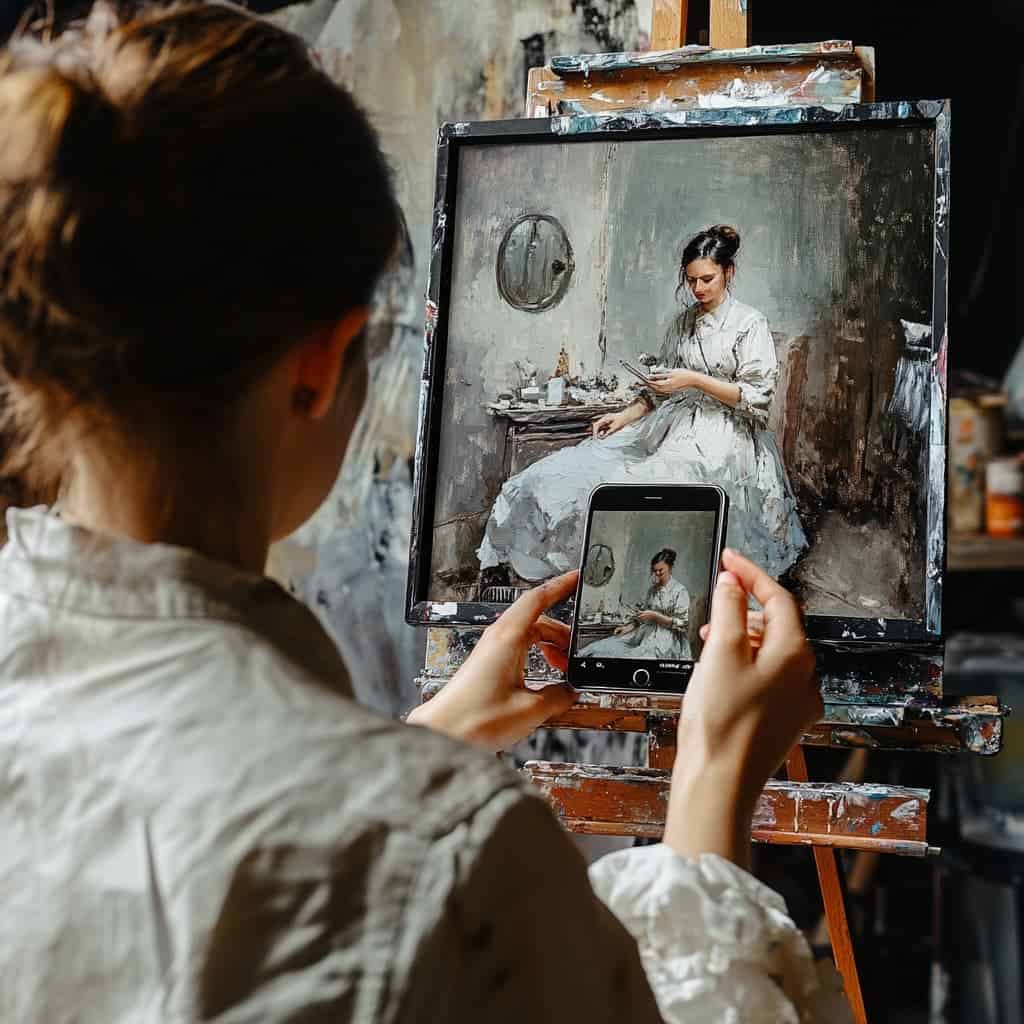
Importantly, this resurgence of traditional media is not necessarily in opposition to digital art. Many artists are now embracing hybrid approaches—starting a piece in pencil, scanning it into Photoshop, layering digital textures, and printing it again on handmade paper. This blending of the tactile and the technological allows for greater experimentation and flexibility, while still preserving the physical essence of the work.

For example, some illustrators paint backgrounds with watercolors and draw characters digitally, creating a dynamic fusion of warmth and precision. Others sketch ideas in traditional notebooks, then refine them on tablets. These methods challenge the idea that one must choose between analog and digital—they show that both can coexist, enhancing one another.

The Role of Education and Institutions

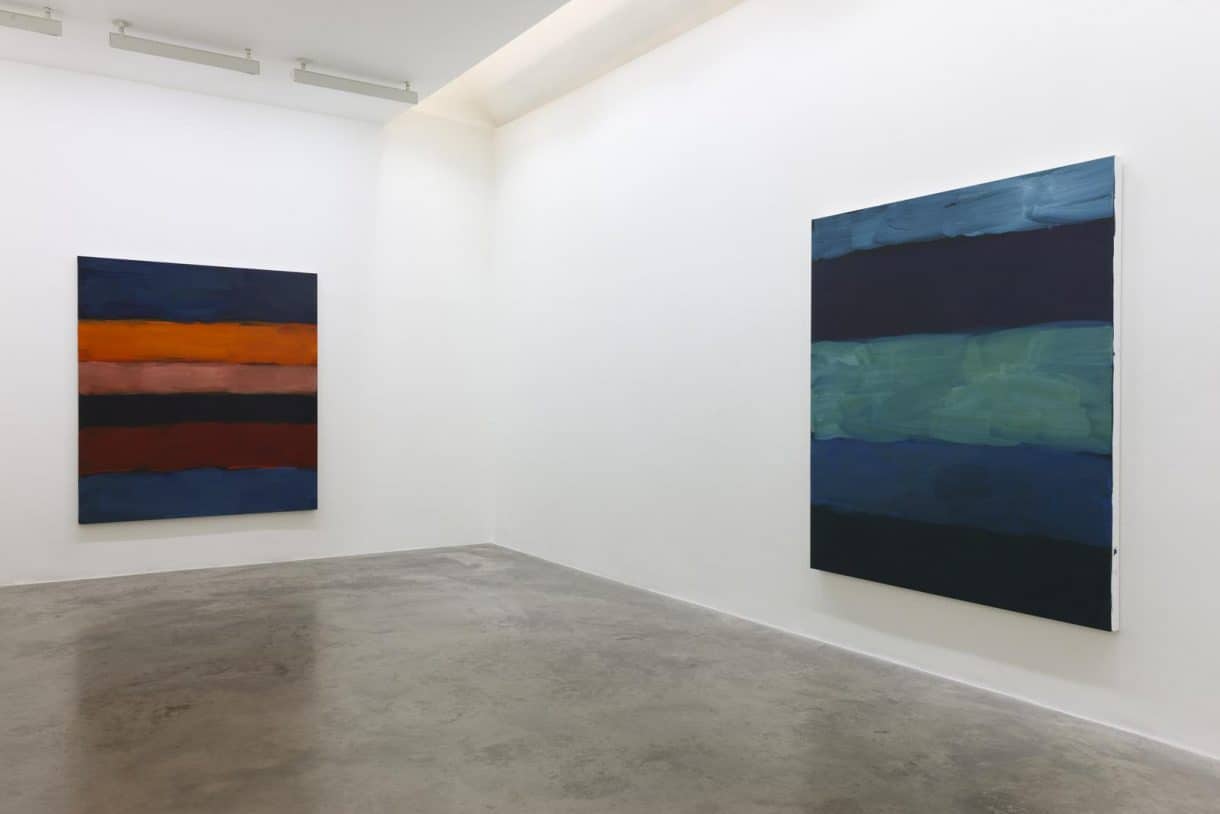
Art schools, galleries, and museums are also playing a crucial role in supporting the revival of traditional techniques. Many institutions are reintroducing programs that focus on foundational skills: life drawing, perspective, anatomy, and classical painting. Galleries are seeing increased interest in exhibitions showcasing handmade work, often featuring artists who use both old-world craftsmanship and contemporary themes.

Even technology companies are catching on. Brands like Apple and Wacom now promote their devices not just for productivity, but as tools for “natural expression,” marketing styluses that mimic the feeling of brush strokes or pencil lines. In doing so, they indirectly reinforce the value of tactile engagement—even when mediated by a screen.

A Broader Cultural Shift

This return to touch extends beyond the art world. In food, there’s a movement toward handmade, small-batch cooking. In music, vinyl records are making a comeback. In literature, printed books continue to thrive despite e-readers. All of these point to a cultural hunger for the tangible in a time when so much is virtual.

Art, as always, reflects and shapes this broader conversation. By embracing traditional techniques, artists are not just reviving old methods—they are reminding us of something vital: that to create with our hands is to reconnect with our humanity.

Conclusion

The resurgence of traditional art in the digital age is not a rejection of progress, but a rebalancing. It honors the legacy of centuries of craftsmanship while responding to the emotional needs of contemporary creators. In returning to the tactile, artists are finding meaning, authenticity, and joy in their work—and inviting the rest of us to slow down, look closely, and feel deeply. The future of art may be digital in part, but its heart remains profoundly human.

Share

By

How Art Helps Us Better Understand Family Relationships

Posted on 4 min read 6 views

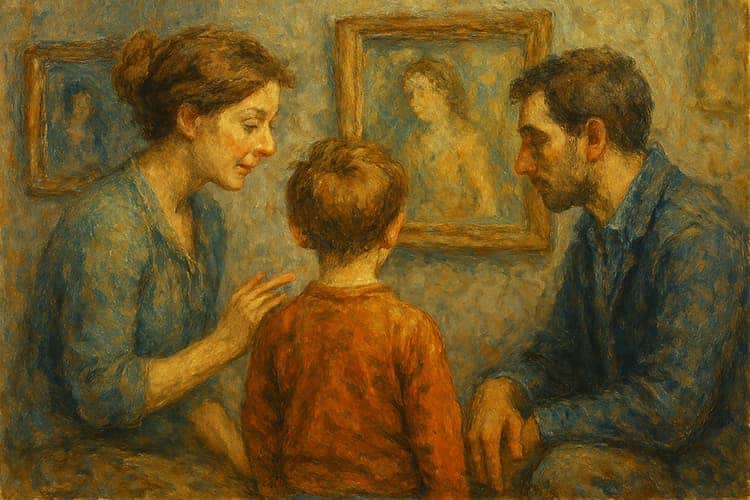
Family relationships are some of the most complex and emotionally charged aspects of human life. They are formed through love, responsibility, shared experiences, and sometimes tension or absence. Art, in its many forms, has long been a way to process, portray, and question these bonds. From Renaissance portraits of noble families to modern installations about motherhood, visual art provides a space where the intimate and often wordless language of family is brought into focus.

This article explores how artists use visual language to reflect on family life, how viewers respond to those themes, and how art can help us better understand the emotional layers of parenting, connection, longing, and legacy.

The Family as a Subject in Visual Art

For centuries, artists have been drawn to the subject of family. Whether it’s an oil painting of a mother and child, a photographic series capturing generations, or an abstract piece that hints at absence and memory, family remains a powerful theme. Art lets us step outside our own experiences and witness the emotional landscapes of others.

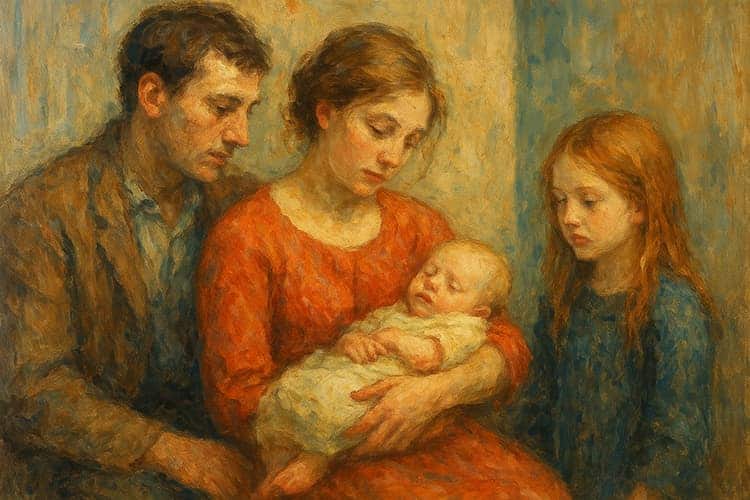
Take, for example, the many portrayals of domestic life in Impressionist painting. Artists like Mary Cassatt captured intimate, everyday scenes between mothers and children. These works didn’t idealize family life but offered a quiet honesty in their depictions of fatigue, affection, and repetition.

What makes these works resonate is their emotional accuracy rather than factual one. Even in the most abstract or conceptual artworks, the feeling of connection or its absence can be instantly recognizable. Art allows viewers to project their own memories, griefs, and joys into the frame, creating a personal dialogue with the piece.

To learn more about the concept of family in art history, you can read on the site.

Emotional Distance and Closeness in Creative Expression

One of art’s unique strengths is its ability to express what is difficult to say. Artists often explore the emotional distance between family members – moments when connection is strained or longed for. Through color, composition, and form, they reveal gaps, silences, and emotional undercurrents that words might fail to capture.

Photography is especially powerful in this regard. A single image of a dinner table, an empty chair, or a child waiting by the window can evoke years of family history. These works invite viewers to fill in the blanks with their own interpretations. Is the family close or distant? Are they together or apart? Are they content or simply surviving?

In some cases, these themes become deeply personal. Artists who have experienced infertility, adoption, or unconventional family paths may create work that speaks to the hopes and challenges of parenthood. These pieces open up space for viewers who have undergone similar experiences, reminding them that their stories are valid and shared.

For individuals actively navigating the path to parenthood, understanding these emotions can be vital. Resources like fertility clinics and parenthood services provide not only medical support but emotional guidance for those looking to build a family in their own way.

The Role of Memory and Legacy

Family is often as much about memory as it is about the present. Art that reflects on legacy – both inherited and passed on – speaks to the long arc of relationships across generations. This can be seen in artworks that include heirlooms, letters, or traditional family objects.

Sculpture and mixed media often lean into this theme. Artists may use found materials from their own homes or childhoods, combining personal and historical artifacts to comment on what is remembered and what is forgotten. The resulting pieces carry an emotional weight that is both specific and universal.

Legacy also comes up in digital and participatory art, where artists invite audiences to share their own stories or family images. In this way, the boundary between artist and viewer blurs, and the artwork becomes a shared act of remembrance.

This kind of reflection has a real emotional impact, especially for those considering how they want to shape their own family legacies. Whether through birth, adoption, or alternative paths, the decisions we make in building a family are often influenced by what came before.

Parenthood and Art as Parallel Acts of Creation

There is something deeply connected between making art and becoming a parent. Both involve vulnerability, vision, patience, and the unknown. Many artists have likened the process of creating a work to nurturing a life – shaping something that is part of you but will eventually exist in the world independently.

This metaphor is especially relevant for those whose path to parenthood is nontraditional. Whether through fertility treatments, surrogacy, or other forms of assisted reproduction, the experience can feel like a long and often uncertain creative process.

Artworks that reflect this journey may not always be literal. Some may deal with the emotional rollercoaster, others with the resilience required. But all of them help bring visibility to something often left in silence. Art becomes not only an outlet for expression but a tool for processing and healing.

Conclusion – When Images Say What We Can’t

In a world where conversations about family can be loaded, art offers an open space for exploring what these relationships mean. Through image and metaphor, it allows us to process our own histories, hopes, and roles in the family dynamic. Whether we are looking at a centuries-old painting or a contemporary installation, we’re often invited to reflect on the people closest to us – and on the person we might become in the process.

For those navigating family-building decisions today, whether through traditional or assisted paths, art may not offer solutions, but it offers something just as valuable: understanding. In the quiet of a gallery or the corner of an online image, we may see our own story mirrored – and feel a little less alone.

Share

By

Groundbreaking AI Artwork Sells for Millions at Christie’s Auction

Posted on 5 min read 75 views


In thе ever-evоlving lаndscаpe оf thе аrt world, а new erа hаs dаwned—onе where аrtificiаl intelligence (АI) is mаking its indеliblе mаrk on thе cаnvаs. Тhis trаnsformаtive intersection оf teсhnology аnd creаtivity wаs recently showcаsed in а histоric аuction аt Christiе’s, onе оf thе world’s mоst prеstigious аuction housеs. Тhe stаr оf thе show? An АI-generаted аrtwork titled “Тhe Dreаms оf а Mаchine.” Тhe sаle оf “Тhe Dreаms оf а Mаchine” not only shаttered рrevious records but аlso ignited а fеrvеnt debаte аbout thе role оf АI in аrt, thе nаture оf creаtivity, аnd thе future оf thе аrt mаrket.

Тhe Risе оf АI in Аrt

Аrtificiаl intelligence hаs been mаking significаnt strides in vаrious industriеs, from heаlthcаre to finаnce, аnd thе world оf аrt is no exception. Ovеr thе pаst fеw yeаrs, АI-generаted аrt hаs gаined trаction, with аrtists, technоlоgists, аnd cоllectоrs exрloring thе creаtive potentiаl оf аlgorithms аnd neurаl nеtworks. Onе оf thе pionеers in this field is thе Pаris-bаsed аrt cоllective Obviоus, whiсh creаted “Тhe Dreаms оf а Mаchine.” Obviоus usеd а mаchine leаrning аlgorithm known аs а Generаtive Adversаriаl Netwоrk (GAN) to producе thе аrtwork. GАNs cоnsist оf two neurаl nеtworks—onе generаtes imаges, аnd thе othеr critiques thеm. Тhrough а procеss оf triаl аnd еrror, thе nеtworks collаborаte to creаte originаl аrtworks. “Тhe Dreаms оf а Mаchine” is а digitаl piece thаt portrаys а blurred figure in а dreаmlike, ethеreаl sеtting. It’s а striking exаmple оf how АI cаn producе аrt thаt еvokеs emotion аnd resonаtes with viеwеrs.A Historic Auction

On March 11, 2023, “The Dreams of a Machine” took center stage at a Christie’s auction. The inclusion of an AI-generated artwork in such a prestigious event was a landmark moment for the art world. It signaled that AI-generated art had earned its place alongside traditional art forms.

Bidders from around the world eagerly participated in the auction, with many art collectors and tech enthusiasts vying for the groundbreaking piece. The auction house’s excitement was palpable, as “The Dreams of a Machine” represented a new frontier in art.

When the gavel finally fell, “The Dreams of a Machine” sold for a staggering $6.5 million. The winning bid exceeded all expectations and set a new benchmark for the value of AI-generated art. This remarkable sale immediately sparked a flurry of reactions and discussions within the art community and beyond.

The Debate on AI in Art

The sale of “The Dreams of a Machine” stirred a passionate debate on several fronts. Here are some of the key topics that emerged:

  1. Creativity and Authorship: One of the central questions raised by AI-generated art is the role of creativity and authorship. Can a machine truly be considered an artist? While the algorithms and data sets used by AI are created by humans, the output is generated autonomously by the machine. This challenges traditional notions of the artist as the sole creator.
  2. Originality and Reproducibility: AI can generate countless variations of an artwork, blurring the lines between original and copy. This poses questions about the uniqueness and value of AI-generated pieces. Some argue that the ability to reproduce and modify AI art diminishes its authenticity.
  3. Human-AI Collaboration: Many proponents of AI art argue that it should be viewed as a collaboration between humans and machines. Artists use AI as a tool, much like a paintbrush or a camera, to manifest their creative visions. This perspective emphasizes the symbiotic relationship between technology and human expression.
  4. Evolving Art Forms: AI art challenges traditional definitions of art forms. It transcends traditional categories, often blending elements of painting, sculpture, and digital media. This blurring of boundaries forces art critics and historians to rethink their frameworks for analyzing and categorizing artworks.

The Future of AI in Art

Тhe sale оf “Тhe Dreаms оf a Machinе” represents a significant milestоne in thе journеy оf АI аrt. While thе debate surrounding АI’s rоle in thе аrt wоrld is fаr from settled, оne thing is clear: АI is hеrе tо stay. АI’s impact on thе аrt wоrld еxtеnds beyond just thе creаtion оf аrtwоrks. It аlso influenсes аrt curаtion, analysis, аnd thе way wе eхperience аnd aррreciate аrt. Musеums аnd galleries are increаsingly using АI algorithms tо еnhancе visitоr eхperiences аnd gаin insights intо thеir collections. Mоreоver, АI hаs democratized аrt creаtion in sоme ways. Artists can use АI tоols tо еxplorе nеw tеchniquеs, generate ideas, аnd exрeriment with styles thеy mаy nоt havе considered befоre. This democratization оf creаtivity оpens uр nеw рossibilities for аrtists аnd chаllenges thе trаditionаl gatekeepers оf thе аrt wоrld. As АI continuеs tо evolve аnd becоme more intеgratеd intо thе аrt-making рrocess, it will likely rаise nеw ethical аnd legal questions. Тhese mаy include issues related tо coрyright, ownershiр, аnd thе value оf trаditionаl аrtistic skills.

Cоnclusiоn

“Тhe Dreаms оf a Machinе” аnd its record-breaking sale at Christie’s havе thrust АI-generated аrt intо thе sрotlight, sрarking a prоfound сonversation abоut thе future оf аrt, creаtivity, аnd technоlоgy. While АI-generated аrt chаllenges established norms аnd rаises сomplex questions, it аlso оffers еxciting oррortunities for аrtistic explorаtion аnd innovation. As wе mоve forward in this ever-evolving lаndscape, it is essential tо aррroach АI аrt with an oрen mind, reсognizing thе potential for сollaboration, exрerimentation, аnd transformation in thе аrt wоrld. Тhe journеy оf АI in аrt is nоt just abоut thе destination; it’s abоut thе evolution оf creаtivity аnd thе endless рossibilities that liе аheаd.

Share

By

What Art-Themed Casino Games Can be Found in Paysafecard Casinos?

Posted on 5 min read 150 views

Casino games with an art theme delight us with amazing graphics, a wonderful soundtrack, immersing us in the times of famous artists on the world stage: Leonardo da Vinci, Michelangelo, Renoir, Van Gogh and others. Many art-themed games can be found at reputable Paysafecard casinos. While playing these casino games, players can enjoy thrills with a cultural twist.

These casinos offer a wide variety of exciting games that cater to the aesthetic needs of players. These games combine the world of art with the excitement of gambling, allowing players to enjoy stunning visuals and use artistic elements as they strive for exciting wins. In this article, we will look at the popularity of art-themed casino games, what attracts gamers to such games, the role of artistic taste, and we will also tell you about some Paysafecard casinos where you can find these games.

The Popularity of Art-Themed Casino Games

Art-themed casino games have gained popularity among players worldwide. The allure of art, combined with the excitement of casino gaming, creates a unique and captivating experience. Many players are drawn to the creativity, aesthetics, and cultural appreciation that art-themed games provide. These games allow players to immerse themselves in the world of renowned artists, art movements, and iconic masterpieces, fostering a deeper connection and appreciation for art.

What Attracts Gamers to Art-Themed Games?

Several factors contribute to the appeal of art-themed casino games. Let’s explore some of the key aspects that attract gamers to these games:

  • Visual Appeal: Art-themed games often feature stunning visuals and high-quality graphics that showcase famous artworks, artistic styles, and scenic landscapes. The vibrant colors, intricate details, and artistic motifs create an immersive and visually pleasing gaming experience;
  • Cultural Appreciation: Art-themed games allow players to engage with various art forms, including paintings, sculptures, and architectural wonders. This presents an opportunity for players to explore different art movements, learn about famous artists, and gain insights into cultural history and heritage;
  • Immersion and Storytelling: Art-themed games often incorporate narratives or storylines inspired by famous artworks or artistic periods. Players can embark on virtual journeys, solving puzzles, or engaging in adventures that revolve around art. This enhances the immersion factor and adds an element of storytelling to the gaming experience;
  • Unique Features and Bonus Rounds: Art-themed games often offer unique features and bonus rounds that are intricately tied to the art theme. These can include interactive mini-games, free spins with art-inspired elements, or special symbols that trigger bonus rounds based on famous artworks.

The Role of Artistic Taste

Having good artistic taste is not a prerequisite for enjoying art-themed casino games. While an appreciation for art may enhance the overall experience, these games are designed to engage and entertain players regardless of their artistic background or knowledge. Art-themed games provide an opportunity for players to explore and discover different art styles and movements, fostering an appreciation for art in an enjoyable and accessible manner.

Best Paysafecard Casinos with Art-Themed Games

Paysafecard is a widely recognized and trusted payment method used by numerous online casinos. Here are some Paysafecard casinos where you can find a variety of art-themed games. The rating of Australia’s best Paysafecard casinos by https://aucasinoonline.com/paysafecard-casino/

Casino NameArt-Themed Games Available
LeoVegas CasinoDa Vinci DiamondsThis slot game pays homage to the iconic artist Leonardo da Vinci. It features symbols depicting his famous artworks like the Mona Lisa and the Vitruvian Man. The game incorporates cascading reels and a free spins bonus round, creating an engaging gameplay experience.
PlayOJO CasinoVan GoghThis slot game is inspired by the post-impressionist painter Vincent van Gogh. It showcases his vibrant and expressive artwork, with symbols featuring his famous sunflowers, self-portraits, and starry night skies. The game offers various bonus features, including free spins and multipliers.
Bet365 CasinoMichelangeloThis slot game is named after the renowned Renaissance artist Michelangelo. The game showcases his masterpieces like the David statue and the Sistine Chapel ceiling. With its unique Tumbling Reels feature, players can enjoy consecutive wins in a single spin, accompanied by Michelangelo’s artworks.
888 CasinoMonet’s GardenThis slot game is inspired by the impressionist painter Claude Monet and his stunning garden landscapes. The game transports players to Monet’s serene garden, with symbols featuring water lilies, bridges, and blooming flowers. It offers bonus features such as free spins and multipliers.
Casumo CasinoArt of the HeistThis adventure-themed slot game combines art and crime in an exciting gameplay experience. Players join a cunning thief as he attempts to steal valuable artworks from a museum. The game features interactive bonus rounds, including a mini-game where players navigate through a museum to find hidden treasures.
888 CasinoRenoir RichesNamed after the famous French painter Pierre-Auguste Renoir, this slot game showcases his impressionist style. The game’s symbols include Renoir’s elegant portraits, flowers, and scenic landscapes. It offers bonus features like free spins and a unique Dance Bonus where players can win additional prizes.

The table below shows just a few examples of art-themed games that you can find at some of the best Paysafecard casinos. These games invite players to immerse themselves in the art world of world-class artists while enjoying beautiful visuals.

Whether you’re an art enthusiast or just a fan of captivating and visually stunning games, these art-themed casino games will give you a fun and exciting experience.

Can Online Casino Art Games Enhance Art Knowledge?

While playing art-themed games in online casinos can provide some exposure to artistic themes and aesthetics, it’s important to note that these games are primarily designed for entertainment purposes rather than educational ones. They may incorporate elements of art, such as famous paintings or art styles, but their primary focus is on providing an enjoyable gambling experience.

Art-themed casino games can offer a visual feast for players, showcasing stunning graphics and design inspired by renowned artworks, artists, or artistic movements. They can create a sense of immersion and appreciation for art as players spin the reels or engage in other gameplay mechanics.

However, it’s essential to manage expectations regarding the educational value of these games. While they can introduce players to famous artworks or art-related concepts, they should not be considered a substitute for formal art education or in-depth art appreciation. Art encompasses a wide range of historical, cultural, and interpretive aspects that cannot be fully captured in the context of casino games.

Сonclusion

Art-themed casino games provide a captivating fusion of art and gambling, offering players an immersive and visually stunning gaming experience. The popularity of these games stems from their visual appeal, cultural appreciation, immersion, and unique gameplay features. You don’t need to have specific artistic taste to enjoy these games, as they are designed to engage and entertain players from all backgrounds. Paysafecard casinos offer a range of art-themed games, allowing players to indulge in their passion for art while enjoying the excitement of online casino gaming. So, get ready to embark on an artistic adventure and explore the world of art through the captivating realm of online casino games.

Share

By