For decades, technical perfection was treated as one of the highest goals in visual art. Clean execution, polished surfaces, balanced composition, and complete visual harmony were often associated with professionalism and artistic mastery. Whether in painting, photography, illustration, or digital design, the finished artwork was expected to feel complete, controlled, and fully resolved.
Today, however, a growing number of contemporary artists are deliberately moving in the opposite direction. Sketch-like lines, rough textures, visible edits, unfinished backgrounds, asymmetry, distorted anatomy, and exposed brushstrokes are becoming increasingly common across galleries, digital platforms, fashion campaigns, and independent visual culture.
At first glance, these works can appear accidental or incomplete. In reality, the unfinished quality is often entirely intentional.
The Exhaustion of Digital Perfection
One of the biggest reasons behind this shift is the overwhelming polish of modern visual culture. Social media feeds are filled with hyper-clean photography, AI-generated imagery, flawless rendering, and endlessly optimized content designed for instant consumption. In this environment, perfection has started to feel emotionally distant.
Many viewers no longer associate polished visuals with authenticity. Instead, excessive refinement can create the impression of artificiality or emotional emptiness. As a result, unfinished aesthetics have become a way to reintroduce vulnerability, unpredictability, and human presence into visual work.
Creative software has also changed the psychology of image-making itself. Artists now have almost unlimited ability to smooth textures, correct imperfections, balance lighting, and endlessly revise compositions. Ironically, the easier perfection becomes, the less emotionally interesting it often feels.
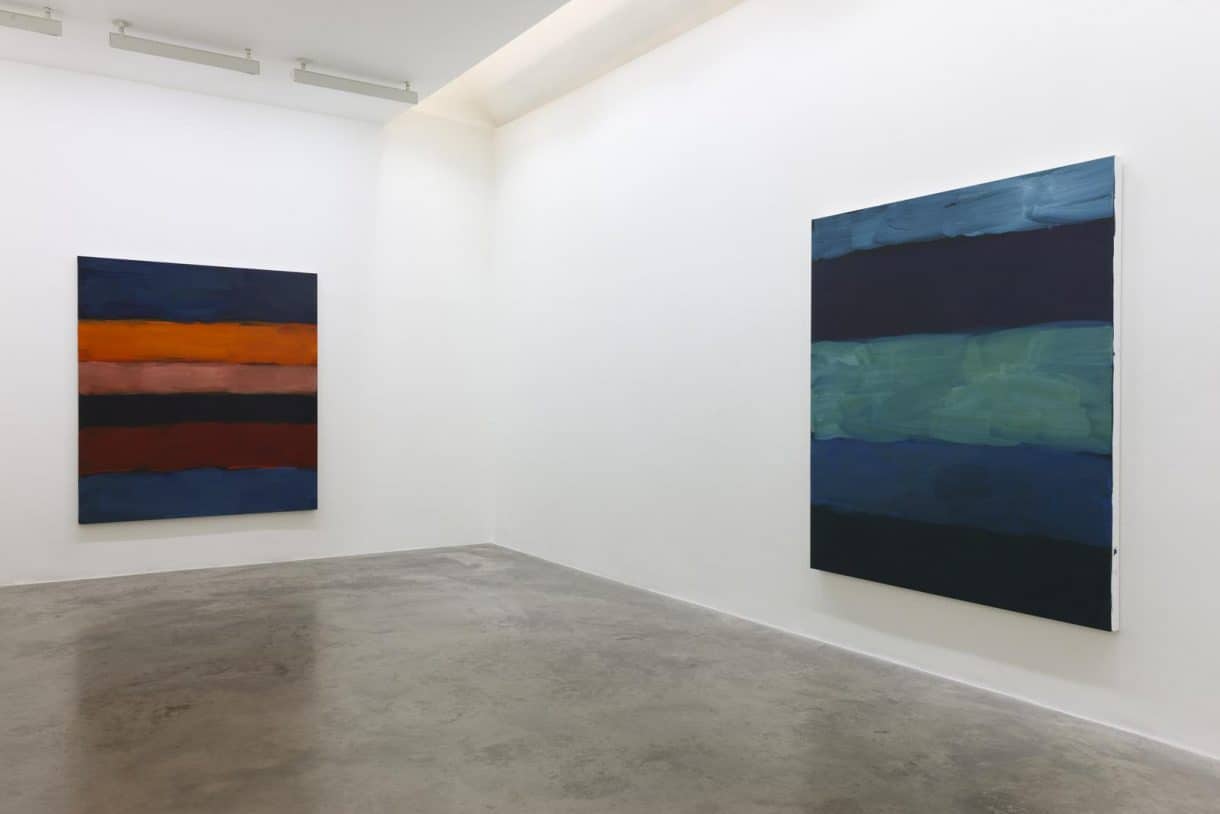
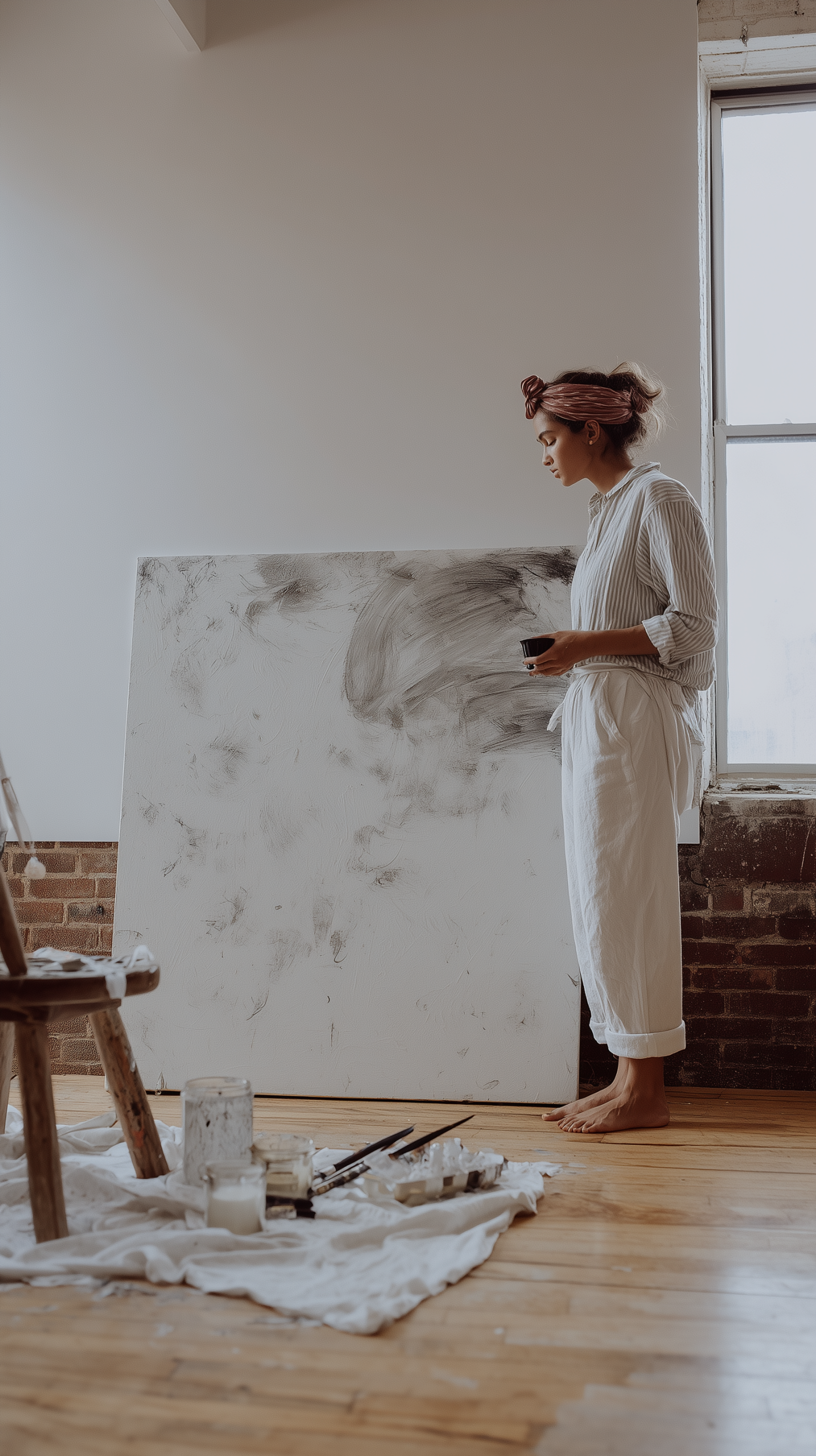
Contemporary artists increasingly react against this condition by preserving traces of process rather than hiding them. Pencil marks remain visible. Layers stay partially exposed. Brushstrokes interrupt compositions instead of disappearing into polished surfaces. The artwork begins to function less as a perfected object and more as evidence of creative movement.
The Emotional Power of Incompletion
This tendency is especially visible in digital illustration and contemporary painting. Many younger artists intentionally leave portions of the composition unresolved. A figure may be carefully detailed while the surrounding environment remains abstract or sketch-like. In some cases, only fragments of a face are fully rendered while the rest dissolves into texture or negative space.
These decisions are rarely signs of laziness. Instead, they create tension between completion and absence. The viewer becomes aware of what is missing, and that absence itself becomes emotionally meaningful.
Unfinished visuals also interact differently with modern attention spans. Digital culture encourages rapid scrolling and immediate visual understanding. Highly polished imagery often delivers information too quickly. The viewer understands everything instantly and moves on.
Unfinished work behaves differently. It creates moments of uncertainty. The eye lingers longer because the image feels unresolved. The viewer subconsciously tries to “complete” the work mentally. This interaction can make unfinished art feel more intimate than fully resolved imagery.
In many ways, modern unfinished aesthetics are deeply connected to emotional realism. Perfect images often suggest total control. Unfinished images suggest instability, openness, and human limitation. In a cultural moment shaped by anxiety, burnout, uncertainty, and digital exhaustion, many artists are less interested in creating visual perfection than in expressing emotional texture.
A Reaction Against Algorithmic Visual Culture
For many younger creators, unfinished aesthetics also function as a form of resistance against performance-driven creativity. Social media platforms constantly reward optimization, consistency, and algorithm-friendly visuals. This pressure affects not only how artists publish work, but how they think about creativity itself.
As a response, many artists intentionally embrace roughness, interruption, ambiguity, and imperfection. Some openly describe these aesthetics as anti-algorithmic. Highly polished visuals tend to follow predictable digital patterns, while unfinished work preserves individuality inside increasingly homogenized visual environments.
The rise of AI-generated imagery has accelerated this tendency even further. AI systems are extremely good at producing technically polished visuals. Lighting is balanced, anatomy is corrected, textures are smooth, and compositions appear complete. As these images become more common, many human artists are moving toward visual qualities that AI still struggles to reproduce convincingly: hesitation, emotional inconsistency, accidental texture, incompletion, and imperfection.
In this context, unfinished aesthetics become almost a signature of human presence.
The Return of Process-Oriented Art
The idea of incompletion has a long history in art itself. Many classical sketches, studies, and unfinished works by famous painters have fascinated viewers precisely because they reveal process rather than perfection. Contemporary artists are, in some ways, returning to this openness.
Instead of presenting art as a sealed final product, they expose creation as something fluid and ongoing. This attitude is increasingly visible beyond galleries. Graphic design, editorial visuals, album covers, independent publishing, and digital branding all show signs of the same shift. Handwritten typography, visible layering, rough cropping, imperfect alignment, and incomplete visual systems are now common even in professional creative industries.
Interestingly, unfinished aesthetics often create stronger emotional atmosphere than polished visuals. A rough sketch can sometimes feel more intimate than a perfectly rendered painting because it leaves emotional space for interpretation. The viewer participates in the image rather than simply consuming it.
This may explain why unfinished-looking works resonate so strongly in contemporary culture. Modern audiences are surrounded by finished products everywhere — optimized feeds, curated identities, hyper-edited content, and algorithmic recommendations. In contrast, unfinished visuals suggest openness and possibility. They feel less controlled and therefore more alive.
Why Unfinished Art Feels So Contemporary
The popularity of unfinished aesthetics reflects changing ideas about creativity itself. Older models often imagined the artist as someone moving toward technical perfection. Contemporary creative culture increasingly values experimentation, process, vulnerability, and atmosphere instead.
As a result, the unfinished artwork no longer appears incomplete in a negative sense. In many cases, incompletion becomes the actual point of the work. It signals that creativity is not always about resolution. Sometimes it is about tension, interruption, uncertainty, and emotional movement.
And perhaps that is exactly why unfinished art feels so contemporary today. It mirrors a world where very few things feel fully resolved, stable, or complete.