International

Guide to Choosing the Best Chalk Paintbrush

Posted on 24 min read 196 views

Are you ready to get started on your chalkboard painting project and transform your furniture or decor? Choosing the right brush is crucial to achieving flawless results. In this in-depth guide, we’ll take a look at some of the best chalk paint brushes available on the market.

We’ll look at their features, characteristics, and value for money – from proven favorites like Annie Sloan and Jolie to new contenders like Infiniti Elementz and Colorantic. Let’s dive in!

What is chalk paint?

Chalk paint is a type of paint that has gained popularity because of its unique properties and versatility of use. It is a water-based paint that contains chalk or calcium carbonate as one of the main ingredients, which gives it a matte and velvety appearance. Unlike traditional paints, chalk paint usually requires little or no surface preparation such as sanding or priming because it adheres well to various surfaces including wood, metal, glass, and even fabric.

Classification of chalk paint

Here’s a table that shows the classification of chalk paint according to various aspects:

AspectClassification of Chalk Paint
IngredientsWater-based paint with chalk or calcium carbonate
FinishMatte or velvety finish
Surface PreparationMinimal to no sanding or priming required
AdhesionGood adhesion on various surfaces, including wood, metal, glass, etc.
CoverageExcellent coverage and opacity with few coats
Drying TimeQuick drying time
Distressing AbilityEasily creates distressed or aged looks
ManipulationCan be easily manipulated and blended on the surface
Application TechniquesAllows for creative effects and customization
OdorLow odor
Environmental ImpactTypically free from harsh chemicals and VOCs

This classification table summarizes the main characteristics and features of chalk paint. It can serve as a reference when choosing chalk paint for your projects.

Benefits of chalk paint
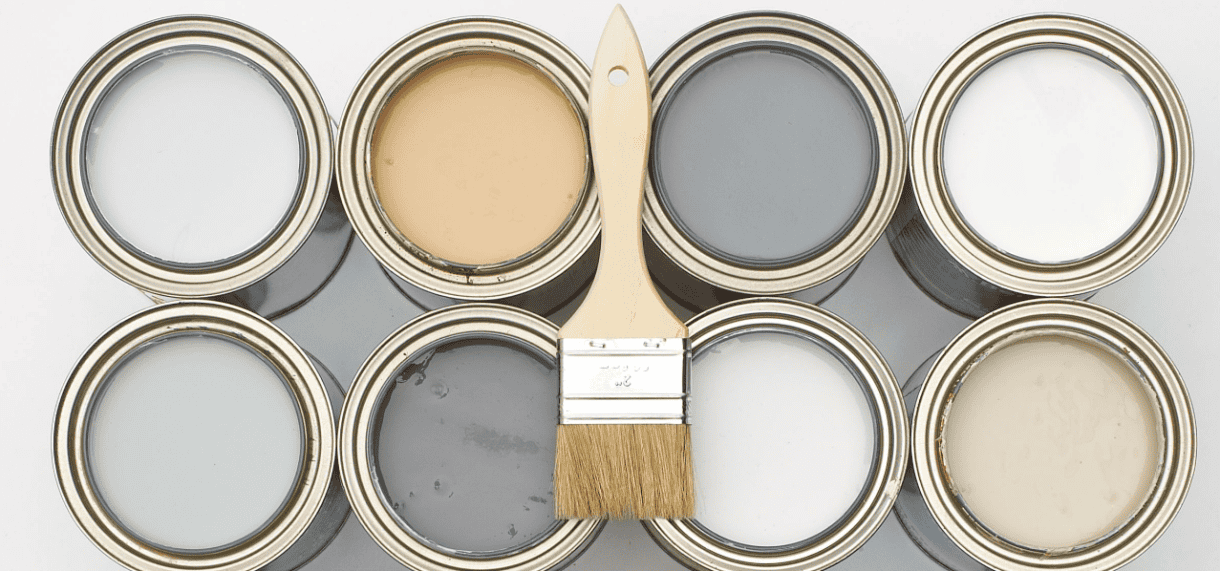
jars of chalk paint, with a brush on top

Chalk paint is known for its superior hiding power and opacity, allowing you to get a solid color in just a few coats. Other benefits of using chalk paint are:

  • Has a thick consistency and dries quickly, making it easy to work with furniture and decorations. One of the distinctive features of chalk paint is its ability to effortlessly create a distorted or aged look. Using techniques such as sanding or applying transparent or dark wax, it is possible to achieve a charming, worn look to the painted surface;
  • Gentle nature. It can be easily manipulated and blended on the surface, allowing you to create creative effects and customized solutions. Whether you want to achieve a smooth and even surface or create texture and depth, chalk paint provides flexibility in terms of application technique;
  • Environmentally friendly, as it is generally free of harsh chemicals and VOCs (volatile organic compounds). This makes it a suitable choice for indoor projects, including repairing furniture, cabinets, home decor items, etc.

Overall, chalk paint offers a convenient and versatile solution for transforming and revitalizing a variety of surfaces, making it popular with DIY enthusiasts, recyclers, and professional painters.

What brushes do I need for chalk paint?

When working with chalk paint, having the right brushes can make a big difference in achieving the results you want. Here are a few basic brushes you may need when working with chalk paint:

  • Flat brushes: Flat brushes are versatile and are usually used to apply chalk paint to large flat surfaces such as furniture or walls. They provide even coverage and help minimize brush marks;
  • Round brushes: Round brushes are ideal for painting curved or difficult areas such as chair backs, table legs, or decorative accents. The round shape provides more control and precision in tight areas;
  • Wax brushes: Although wax brushes are not required for chalk paint application, they are specifically designed to apply wax varnishes to chalked surfaces. They have natural bristles that help evenly distribute and absorb the wax into the paint for a smooth, protective finish;
  • Detail brushes: Detail brushes with thin, narrow bristles are useful for fine strokes, fine lines, or intricate patterns. They are ideal for adding intricate details or decorative elements to your chalk paint projects;
  • Stencil Brushes: If you plan to use stencils to create patterns or drawings, stencil brushes are a must. They have stiff bristles that allow for controlled application and prevent spreading under the edges of the stencil;
  • Fan Brushes: Fan brushes have bristles arranged in a semi-circle. While they are not specifically designed for chalk paint, they can be useful for creating textural effects or blending colors.

Consider the following factors when choosing chalk paint brushes:

  • Type of bristles: Natural bristles, such as boar bristles, are commonly used for chalk paint because they hold the paint well and provide a smooth finish. Synthetic bristles can also be effective, especially for water-based chalk paints;
  • Size: Choose a brush size based on the scale of your project. Large brushes cover large areas quickly, while small brushes are ideal for detailed work;
  • Quality: Invest in high-quality brushes that are durable and resistant to fouling. Well-made brushes last longer and provide better results.

Ultimately, which brushes you need for chalk paint depends on your specific project and your preferences. It’s always a good idea to have several brushes on hand to work on different surfaces and techniques.

Classification of brushes for chalk paint

AspectClassification of Brushes for Chalk Paint
Bristle TypeNatural Bristles, Synthetic Bristles, or Blend of Both
Brush ShapeFlat, Round, Wax, Detail, Stencil, Fan
Size RangeSmall, Medium, Large
Bristle StiffnessSoft, Medium, Firm
Handle MaterialWood, Plastic, Rubberized Grip
SheddingMinimal to No Shedding, Shedding Concerns
DurabilityLong-lasting, Resistant to Wear and Tear
VersatilitySuitable for Chalk Paint and Other Paint Types
Price RangeBudget-friendly, Mid-range, Premium

How to choose chalk paintbrushes

Choosing the right chalk paint brushes can make a big difference in the outcome of your painting project. Here are some key factors to consider when choosing chalk paint brushes:

  • Bristle type: Chalk paint brushes usually come with natural bristles, synthetic bristles, or a mix of both. Natural bristles, such as boar bristles, are good for chalk paint because they hold the paint well and provide a smooth finish. Synthetic bristles, on the other hand, are durable and work effectively with water-based chalk paint. When choosing the type of bristles, consider the type of paint you will use and the finish you want;
  • Brush shapes: Different brush shapes serve different purposes. Flat brushes are ideal for large, flat surfaces, and round brushes are good for curved or difficult areas. Wax brushes have a specific shape designed for waxing, while detail brushes are great for small strokes or fine lines. To determine which brush shape is best suited, consider the surface and details of your project;
  • Size Range: Chalk paint brushes come in a variety of sizes, including small, medium, and large. The size you choose depends on the scale of your project and the level of detail you require. Large brushes cover large areas quickly, while small brushes provide better control when doing intricate work;
  • Bristle Stiffness: The stiffness of the bristles affects the control and texture of the paint application. Soft bristles provide a smoother finish, while stiffer bristles create texture and allow for more strokes. To determine the hardness of the bristles you prefer, consider the desired look and texture of your project;
  • Handle comfort: Pay attention to the handle of your brush, as it can make a big difference in your painting experience. Look for pens that are comfortable to hold and that provide a good grip. Wood or rubber-coated pens tend to provide better control and reduce fatigue during long drawing sessions;
  • Molting: Quality brushes should have minimal or no shedding, as shedding bristles can ruin the finish of your project. Read reviews or look for brushes with a good reputation for resistance to shedding;
  • Durability: Pay attention to the durability of brushes. Look for well-made brushes that are designed for repeated use. Brushes with sturdy construction and secure bristle attachment tend to last longer;
  • Price Range: Chalk paint brushes are available in a variety of price ranges. Determine your budget and look for brushes that offer a good balance of quality and affordability. While investing in high-quality brushes can be beneficial in terms of performance and durability, there are also budget-friendly options that can still provide satisfactory results.

With these factors in mind, you can choose chalk paint brushes that fit your specific project requirements and painting style, which will ultimately help you achieve your desired results with ease.

11 Tested chalk paintbrushes

Choosing the best chalk paintbrush can make a big difference in the outcome of your project. From the well-established Annie Sloan brush to newer contenders like Infiniti Elementz and Colorantic, there are many options to suit different preferences and budgets.

When choosing a brush, consider the type of project, your desired finish, and your personal painting style. With the right brush in hand, you can achieve stunning results and breathe new life into your furniture and decor.

  1. Annie Sloan Chalk Paintbrushes

Annie Sloan chalk paintbrushes are highly regarded in the chalk painting world for their quality and effectiveness. Here is an overview of Annie Sloan’s chalk paint brushes.
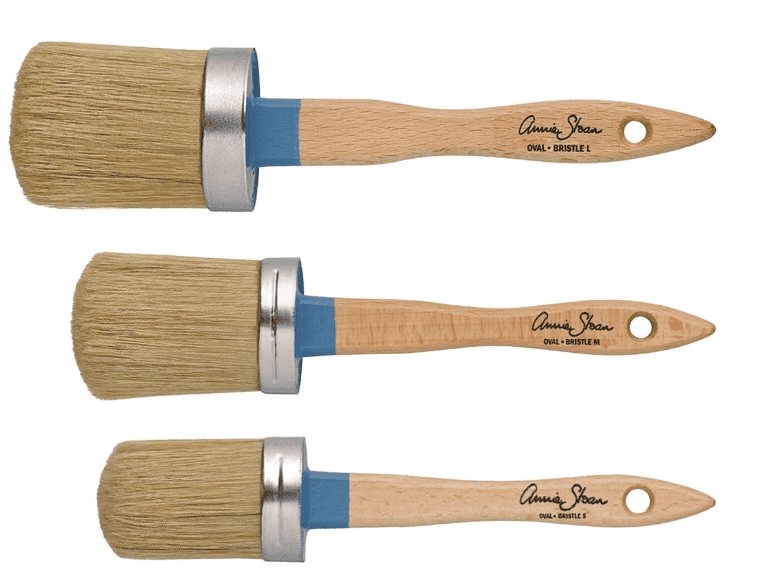
Annie Sloan Chalk Paint Brushes of different sizes

Annie Sloan is a well-known name in the chalk paint world, and their brushes are specifically designed to work with chalk paint. Here are some key features and benefits of Annie Sloan chalk paintbrushes:

  • High-quality bristles: Annie Sloan brushes have high-quality bristles that are durable and hold paint well. The bristles are designed to provide optimum coverage and even application of chalk paint;
  • Versatility: These brushes are versatile and suitable for a variety of painting techniques, including blending, layering, and creating texture. Whether you want to achieve a smooth surface or add depth to your project, Annie Sloan brushes are suitable for a variety of painting styles;
  • Ergonomic Design: Brushes are designed with comfort in mind. The wooden handles rest comfortably in the hand and provide a firm grip, allowing you to better control your painting process;
  • Easy to clean: The brushes can be effortlessly cleaned after painting. They can be easily washed with warm soapy water to keep them in good condition for future use;
  • Wide range of brush sizes: Annie Sloan offers a wide range of brush sizes, including small, medium, and large. This allows you to choose the right brush size depending on the scale of your project and the level of detail required;
  • Chalk Paint Compatibility: Because these brushes are specifically designed for use with Annie Sloan chalk paint, they are optimized to work with the unique consistency and properties of the paint. This compatibility provides excellent paint grip and even application, resulting in a professional finish;
  • Longevity: With proper care, Annie Sloan chalk paint brushes are known for their durability. They are sturdy and designed for repeated use, making them a worthwhile purchase for regular chalk painting projects.

Overall, Annie Sloan chalk paintbrushes are highly recommended by many amateur and professional chalk painters. Their quality workmanship, versatility, and compatibility with Annie Sloan chalk paint make them a reliable choice for superior results in your chalk painting projects.

  1. Modern Art Chalk Paint Brushes

Modern Art Chalk Paint Brushes are highly regarded by many artists and DIY enthusiasts for their quality and affordability. Here is an overview of the Modern Art Chalk Paint Brushes:
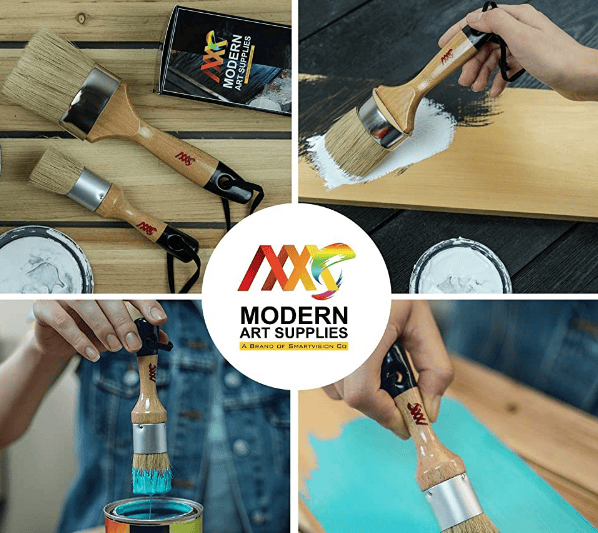
Modern Art Chalk Paint Brushes
  • Affordability: One of the most important aspects of Modern Art Chalk Paint brushes is their affordability. They provide excellent value for money, making them accessible to a wide range of users;
  • Versatility: These brushes are designed to work with different types of paints, including chalk, acrylic, and others. This versatility allows artists to use them for a variety of projects and painting techniques;
  • Good Coverage: Modern Art Chalk Paint brushes are known for their ability to hold large amounts of paint, which provides effective coverage on a variety of surfaces. This feature saves time and ensures an even application;
  • Variety of sizes: Brushes are available in a variety of sizes, including small, medium, and large options. This choice allows artists to choose the right brush size for the scale of their projects and the level of detail required;
  • Comfortable Grip: Brushes have ergonomic handles for a comfortable grip. This makes them easy to hold and maneuver while painting, which reduces hand fatigue;
  • Easy to Clean: Cleaning Modern Art Chalk Paint brushes is a simple process. They can be easily washed with mild soap and water, making them easy to care for and reuse.

Although Modern Art Chalk Paint brushes have many advantages, there are a few things to keep in mind:

  • Bristle fallout: Some users have noted that brushes sometimes fall out or break with prolonged use. However, this is a minor problem that does not affect the overall performance of the brushes;
  • Durability: While Modern Art Chalk Paint Brushes are durable for their price range, they cannot provide the same level of durability as more expensive or specialized brushes. Taking proper care of your brushes will help extend their lifespan.

Overall, Modern Art chalk paint brushes are an affordable and versatile option for artists and DIY enthusiasts. With good coverage, different sizes, and a comfortable grip, these brushes are well-suited for a variety of painting projects. While they don’t offer the same level of durability as higher-end brushes, they are an economical choice for those looking for quality brushes on a budget.

  1. Infiniti Elementz Chalk Paint Brushes

Infiniti Elementz Chalk Paint Brushes have gained popularity among artists and DIY enthusiasts for their quality craftsmanship and performance. Here is a review of Infiniti Elementz chalk paint brushes:

  • Infiniti Elementz chalk paint brushes offer a number of features and benefits that make them the preferred choice for chalk painting;
  • High-quality bristles: These brushes are made of high-quality bristles that are designed to effectively hold and distribute the paint. The bristles are known for their durability and ability to hold their shape even with repeated use;
  • Excellent Coverage: Infiniti Elementz chalk paint brushes are designed to provide superior coverage, allowing you to apply chalk paint evenly and evenly. The bristles grip the paint well and distribute it evenly over a variety of surfaces;
  • Versatility: These brushes are suitable for different painting techniques and can be used with different types of paints, including chalk, acrylic, and others. This versatility makes them a versatile tool for a variety of projects and styles;
  • Ergonomic design: Brushes have comfortable and ergonomic handles that provide a firm grip. This design gives better control of the brushes and reduces hand fatigue during long drawing sessions;
  • Minimal shedding: According to user reviews, Infiniti Elementz chalk paint brushes have minimal shedding. The bristles are securely attached to the handle, allowing for smooth painting without the problems associated with bristle loss;
  • Easy to Clean: Cleaning these brushes is quite easy. They can be rinsed with warm soapy water and reshaped for future use. Proper cleaning and care will help prolong the life of the brushes.

Although Infiniti Elementz chalk paint brushes offer many advantages, there are a few considerations to keep in mind:

Limited size selection: Infiniti Elementz brushes may have a limited range of sizes compared to other brands. Depending on the specific requirements of the project, artists may need to work within the size options available.

Overall, Infiniti Elementz chalk paint brushes are highly regarded for their quality bristles, superior coverage, and ergonomic design. They are a reliable tool for achieving professional chalk painting results. With their durability and minimal shattering, these brushes are a worthy investment for artists and DIY enthusiasts looking for reliable and versatile brushes.

  1. Colorantic Chalk & Wax Brush

Colorantic Chalk & Wax Brushes have gained popularity among chalk paint enthusiasts because of their quality and effectiveness. Here is an overview of Colorantic Chalk & Wax Brushes:

Colorantic chalk and wax brushes have a number of key features and benefits that make them the preferred choice for chalk painting and waxing:

  • High-quality bristles: These brushes are made of high-quality bristles that are designed to hold paint and wax effectively. The bristles are known for their durability and ability to provide a smooth and even application;
  • Versatility: Colorantic Chalk & Wax brushes are versatile and can be used for both chalk paint and wax finishes. This versatility allows artists to complete an entire project using the same set of brushes;
  • Excellent Control: The brushes have comfortable and ergonomic handles that provide excellent control during painting and waxing. This feature allows artists to achieve precise and desirable results;
  • Multiple brush sizes: Colorantic offers a variety of brush sizes, including small, medium, and large. This variety allows artists to choose the right brush size depending on the scale of the project and the level of detail required;
  • Easy to Clean: Colorantic Chalk & Wax brushes are easy to clean. They can be rinsed with warm soapy water and reshaped, making them easy to maintain for future use;
  • Durable Construction: These brushes are known for their durability and ability to withstand frequent use. With proper care, they can last for several projects, making them a solid investment.

While Colorantic chalk and wax brushes offer many advantages, it’s important to consider a few potential drawbacks:

Price: Compared to some other options on the market, Colorantic brushes can be a bit more expensive. However, the quality and efficiency they provide may justify the higher price.

Overall, Colorantic chalk and wax brushes are highly regarded for their quality bristles, versatility, and excellent control. They are a reliable tool for achieving professional results in chalk drawing and waxing. Because of their durability and ease of use, these brushes are well-suited for beginners and experienced artists alike.

  1. New Renaissance Professional Chalk Brush

The New Renaissance Professional Chalk Brush is a popular choice among artists and DIY enthusiasts for chalk drawing projects. Here is an overview of the New Renaissance Professional Chalk Brush.

The New Renaissance Professional Chalk Brush has a number of key features and benefits that make it the preferred choice for chalk drawing:

  • High-quality bristles: These brushes are made of high-quality bristles specifically designed for chalk paint application. The bristles are sturdy, yet soft and flexible enough to provide smooth and even coverage;
  • Perfect Coverage: The brush is designed to hold a large amount of paint, providing effective coverage and reducing the number of coats needed for even coverage. This feature saves time and ensures even application;
  • Ergonomic design: The brush has a clever ergonomic handle that provides a comfortable grip. This feature makes the brush easy to hold and maneuver while painting, which reduces hand fatigue;
  • Precision and control: The shape and density of the brush bristles allow precise control of the paint application. This allows painters to achieve a variety of textures and effects, from smooth finishes to warped looks;
  • Versatility: The New Renaissance Professional Chalk Brush is suitable for a variety of techniques and surfaces, including furniture, walls, and home decor. It can be used with different types of chalk paint, providing versatility for a variety of creative endeavors;
  • Easy to Clean: Cleaning the brush is quite easy. It can be rinsed with warm soapy water and reshaped, making it easy to care for future use.

While the New Renaissance Professional Chalk Brush has many advantages, it’s important to consider a few potential drawbacks:

  • Limited size selection: The brush may have a limited range of sizes compared to other brands. Depending on specific project requirements, artists may need to work within the available sizes;
  • Fraying: Some users have reported occasional bristle loss with prolonged use. However, this is a minor problem that does not significantly affect the overall performance of the brush.

Overall, the New Renaissance Professional Chalk Brush is highly regarded for its high-quality bristles, excellent coverage, and ergonomic design. It is a reliable tool for achieving professional chalk drawing results. Because of its versatility and ease of use, this brush is well suited for both beginners and experienced artists looking for a quality chalk painting brush.

  1. Maxman Chalk Paint Brushes Set of 2

The Maxman Chalk Paint Brush Set of 2 is a popular choice among artists and DIY enthusiasts for chalk painting projects. Here is an overview of Maxman chalk paintbrushes.

Maxman Chalk Paint Brushes Set of 2 has a number of key features and benefits that make it the preferred choice for chalk painting:

  • Two Brush Set: The Maxman Chalk Paint Brushes Set of 2 includes two brushes of different sizes, which provides versatility for a variety of painting projects. Having different-sized brushes makes it easy for artists to tackle large surfaces as well as intricate details;
  • High-quality bristles: These brushes are made of high-quality bristles specifically designed for chalk paint application. The bristles are durable and hold paint well, providing even coverage and smooth application;
  • Ergonomic Design: Brushes are cleverly designed with ergonomic handles for a comfortable grip. This design gives better control and reduces hand fatigue during prolonged use;
  • Easy to clean: Brushes are quite easy to clean. They can be rinsed with warm soapy water and reshaped for easy care for future use;
  • Versatility: Maxman chalk brushes are suitable for various painting techniques and can be used with different types of chalk paint. This versatility makes them a versatile tool for a wide range of chalk painting projects;
  • Affordable: The Maxman Chalk Paint Set of 2 is often considered budget-friendly, offering quality brushes at an affordable price.

While the Maxman Chalk Paint Set of 2 Brushes has many advantages, it’s important to consider a few potential drawbacks:

  • Bristle loss: Some users report occasional bristle loss with prolonged use. However, this is a minor problem that does not significantly affect overall brush performance;
  • Limited size selection: The set includes two brushes of different sizes, which may not meet all project requirements. Depending on the specific project, artists may need to work within the available sizes or use additional brushes.

Overall, the Maxman 2 Chalk Paint Brush Set is commendable for its quality bristles, ergonomic design, and affordable price. It’s a reliable option for achieving the desired results in chalk painting projects, whether you’re working with large surfaces or intricate details. With proper care, these brushes can be a valuable addition to any artist’s toolbox.

  1. Boao 3 Pieces Chalk and Wax Paintbrushes

Boao 3 Pieces Chalk and Wax Paintbrushes are a popular choice among artists and DIY enthusiasts for chalk drawing and waxing. Here is a review of Boao 3 Pieces Chalk and Wax Paint Brushes.

Boao 3 Pieces Chalk and Wax Paintbrushes offer several key features and benefits that make them the preferred choice for chalk and wax painting:

  • Three Brush Set: The Boao set includes three brushes of different sizes, providing versatility for a variety of painting projects. Having different-sized brushes makes it easy for artists to tackle large surfaces as well as intricate details;
  • High-quality bristles: These brushes are made of high-quality bristles specifically designed for chalk paint and waxing. The bristles are durable and hold paint or wax well, providing even coverage and smooth application;
  • Ergonomic Design: Brushes are cleverly designed with ergonomic handles that provide a comfortable grip. This design gives better control and reduces hand fatigue during long painting or waxing sessions;
  • Versatility: Boao chalk and wax brushes are suitable for different painting techniques and can be used with different types of paints and waxes. This versatility makes them a versatile tool for a wide range of projects including furniture, home decor, and crafts;
  • Easy to Clean: Cleaning brushes is quite easy. They can be rinsed with warm soapy water and reshaped for easy care for future use;
  • Affordable Price: The Boao 3 Pieces Chalk and Wax Paint Brushes set is often considered budget-friendly, offering three brushes at an affordable price.

Although Boao 3 Pieces Chalk and Wax Paint Brushes offer many advantages, it is important to note that individual experiences and preferences may vary. Some users may find that the bristles are softer or harder than expected, depending on personal preference and specific project requirements.

Overall, the Boao 3 Pieces chalk and wax paint brush set is an economical option for achieving the desired results in chalk and wax painting projects. With multiple brush sizes, high-quality bristles, and an ergonomic design, these brushes can be a valuable addition to any artist’s tool kit.

  1. FolkArt Home Decor Chalk Brush

The FolkArt Home Decor Chalk Brush is a popular choice among artists and DIY enthusiasts for chalk drawing projects. Here is a review of the FolkArt Home Decor chalk brush.

The FolkArt Home Decor Chalk Brush has a number of key features and benefits that make it the preferred choice for chalk drawing:

  • High-quality bristles: These brushes are made of high-quality bristles that are designed to hold and effectively distribute chalk paint. The bristles are soft but sturdy, which ensures a smooth and even application of paint to a variety of surfaces;
  • Versatility: The FolkArt Home Decor Chalk Brush is suitable for a wide range of chalk painting projects, including furniture, home decor, and crafts. It can be used with a variety of brands and types of chalk paint, providing versatility for a variety of creative endeavors;
  • Ergonomic Design: The brush has a clever design and an ergonomic handle that provides a comfortable grip. This design feature provides easy control and maneuverability, allowing artists to achieve precise and desirable results;
  • Minimal shedding: Users note that there is virtually no shedding of bristles when using FolkArt Home Decor Chalk Brush. This feature ensures smooth painting without the frustrations associated with shedding bristles;
  • Easy to Clean: Cleaning the brush is quite easy. It can be rinsed with warm soapy water and reshaped for easy care and reuse;
  • Available in several sizes: The FolkArt Home Decor Chalk Brush comes in a variety of sizes, including small, medium, and large options. This variety allows artists to choose the right brush size depending on the scale of the project and the level of detail required.

Overall, the FolkArt Home Decor Chalk Brush is highly regarded for its quality bristles, versatility, and ergonomic design. It is a reliable tool for achieving professional results in chalk drawing projects. Because of its durability and ease of use, this brush is well-suited for beginners and experienced artists alike.

  1. Jolie Chalk Paint Brushes

Jolie chalk paint brushes are highly regarded among artists and DIY enthusiasts for their quality and effectiveness. Here is an overview of Jolie chalk paintbrushes.

Jolie Chalk Paint Brushes offer a number of key features and benefits that make them the preferred choice for chalk paint:

  • High-quality bristles: These brushes are made of high-quality bristles specifically designed for chalk paint application. The bristles are soft but sturdy, which provides smooth and even coverage on a variety of surfaces;
  • Ergonomic Design: Jolie chalk paint brushes are thoughtfully designed with comfortable handles that provide a firm grip. The handles are lightweight and comfortable to hold, which provides optimal control and reduces hand fatigue during long painting sessions;
  • Versatility: These brushes are suitable for a wide range of chalk painting projects, including furniture, walls, and home decor. They can be used with different types and brands of chalk paint, making them versatile tools for a variety of creative endeavors;
  • Excellent paint loading and release: The bristles of Jolie chalk paint brushes are designed to hold a large amount of paint and release it smoothly onto the surface. This feature provides effective coverage and minimizes the need for multiple coats;
  • Precision and control: The brushes provide excellent precision and control over the application of paint. Thin tips and dense bristles allow painters to achieve the textures and effects they want, whether it’s a smooth surface or a warped look;
  • Easy to Clean: Cleaning Jolie chalk paint brushes is quite easy. They can be rinsed with warm soapy water and reshaped, making them easy to care for future use.

Overall, Jolie Chalk Paint Brushes are highly regarded for their quality bristles, ergonomic design, and versatility. They are a reliable tool for achieving professional results in chalk painting projects. Whether you’re a beginner or a seasoned artist, these brushes provide the performance and control you need to bring your creative ideas to life.

  1. Bates Paint Brushes

Bates Paint Brushes are well-known among painters and DIY enthusiasts for their quality and versatility. Here is an overview of Bates Paint Brushes.

Bates brushes have a number of key features and benefits that make them a popular choice for painting projects:

  • Variety of sizes: Bates paint brushes come in a variety of sizes, from small to large. This variety allows users to choose the right brush size for their particular project, whether painting a large surface or working on intricate details;
  • High-quality bristles: These brushes are made of high-quality bristles that are designed to hold and distribute paint evenly. The bristles are strong and soft, which ensures smooth and even application of paint on various surfaces;
  • Versatility: Bates paint brushes are suitable for a wide range of painting applications, including interior and exterior projects. They can be used with a variety of paint types such as latex, acrylic, and oil, making them versatile tools for a variety of tasks.
  • Ergonomic Design: Brushes have comfortable, ergonomic handles that provide a secure grip. This design provides better control and reduces hand fatigue, making painting more comfortable, especially with prolonged use;
  • Easy to Clean: Cleaning Bates Paint Brushes is quite easy. They can be washed with warm soapy water and reshaped to retain their original appearance for future use;
  • Affordability: Bates Paint Brushes are often considered budget-friendly, offering quality brushes at an affordable price. This makes them a great option for professional painters and DIY enthusiasts alike who are looking for reliable brushes without going broke.

Overall, Bates Paint Brushes offer good performance and value for their price. With a variety of sizes, high-quality bristles, and ergonomic designs, they are well-suited for a variety of painting jobs. Whether you’re tackling a small home improvement task or a large painting project, Bates paint brushes will be a reliable tool to help you achieve a smooth and professional finish.

  1. Dixie Belle Chalk Paint Brushes

Dixie Belle Chalk Paint Brushes are highly regarded among artists and painters for their quality and effectiveness. Here is an overview of Dixie Belle chalk paint brushes:

  • Dixie Belle Chalk Paint Brushes offer a number of key features and benefits that make them the preferred choice for chalk painting projects;
  • High-quality bristles: These brushes are made of high-quality natural or synthetic bristles, depending on the model. The bristles are designed to hold chalk paint well and provide smooth and even coverage on a variety of surfaces;
  • Versatility: Dixie Belle chalk paint brushes are suitable for a wide range of chalk painting projects, including furniture, home decor, and crafts. They can be used with different types and brands of chalk paint, making them versatile tools for a variety of creative endeavors;
  • Ergonomic Design: Brushes are thoughtfully designed with comfortable handles that provide a secure grip. The pens are lightweight and comfortable to hold, allowing for optimal control and reducing hand fatigue during long drawing sessions;
  • Easy to Clean: Dixie Belle chalk paint brushes are quite easy to clean. They can be rinsed with warm soapy water and reshaped for easy care for future use;
  • Many Brush Styles and Sizes: Dixie Belle offers a variety of brush styles and sizes to meet a variety of painting needs. From flat brushes for large areas to round brushes for detailed work, there are options to meet different project requirements;
  • Professional Results: Users often praise Dixie Belle chalk paint brushes for their ability to provide professional results. The brushes provide a smooth application and allow artists to achieve the texture and finish they desire, whether it’s a warped look or a smooth and even finish.

Overall, Dixie Belle chalk paint brushes are highly regarded for their quality bristles, ergonomic design, and versatility. They are a reliable tool for achieving professional-level results in chalk painting projects. Whether you’re an experienced painter or a beginner, these brushes will help you transform your furniture and decor with ease and precision.

How to clean brushes after using chalk paint

Cleaning brushes after using chalk paint is an important step in maintaining their quality and longevity. Here’s a step-by-step guide to cleaning brushes after using chalk paint:

  • Remove excess paint: Use a scraper or rag to remove as much excess paint as possible from the brush. Scrape the bristles against the edge of the paint can or wipe them with a rag to remove the bulk of the paint;
  • Rinse brush with water: Fill a container or sink with warm water. Grab the brush by the handle and gently swirl the bristles in the water. This will help remove paint residue from the bristles;
  • Use mild soap: If the paint is very stubborn and won’t come off easily, you can add a small amount of mild soap to the warm water. Swirl the brush in the soapy water to create a foam and help break up the paint;
  • Rinse and repeat: rinse the brush under running water to remove soap and loosened paint. Repeat the process of swirling the brush in clean water until the water is clear, indicating that the brush is clean;
  • Shape the bristles: When the brush is clean, use your fingers to gently shape the bristles to their original shape. This will help keep the brush in shape for future use;
  • Dry the brush: Shake off excess water from the brush and wipe dry with a clean cloth or paper towel. Do not rub bristles vigorously as this may damage them. Before storing, place the brush on a flat surface or hang it upside down to allow it to air dry completely.

Additional tips:

  • Do not use harsh solvents or cleaners, as they can damage the bristles;
  • If you’re cleaning a wax brush, follow the same steps, but use warm water and mild dish soap to remove the wax residue;
  • To remove stubborn paint or wax residue, you can use a brush cleaner specifically designed to remove dried paint or wax.

By following these steps, you can effectively clean your brushes after using chalk paint and keep them in good condition for future use.

Conclusion

Choosing the right chalk paintbrush is crucial to achieving great results in your projects. After considering the different options, it is clear that different brushes have unique features and benefits.

Annie Sloan chalk paint brushes are known for their high-quality bristles and versatility, making them a top choice among artists. Modern Art chalk paint brushes offer precision and control, and Infiniti Elementz brushes impress with their durability and smooth application.

Colorantic and New Renaissance brushes offer excellent value for money, providing reliable performance and easy care. Maxman’s chalk paint brushes are a set of two brushes for added convenience. The Bzczh, Boao, and Pol Brush Flat brushes offer additional options with different shaped and sized bristles.

FolkArt Home Decor and Jolie chalk paint brushes feature high-quality bristles, ergonomic design, and professional results. Bates brushes are versatile and affordable, making them suitable for professionals and DIY enthusiasts alike.

Dixie Belle brushes provide an exceptional painting experience with quality bristles and a variety of brush styles to suit a variety of projects.

Share

By

The Newcomer’s Guide to Oil Painting

Posted on 4 min read 170 views

Diving into the world of art can be as enthralling as it is daunting. Embarking on the journey with oil painting can sometimes feel intimidating due to its rich history and unique techniques. However, for those just starting, understanding the basics can remarkably transform your first experiences from a daunting task into a journey of creative exploration. The beauty of oil painting lies in its blend of precision and freedom, allowing you to immerse yourself fully in the process. As you gain knowledge, each brushstroke becomes a meaningful dialogue between you and your canvas, fostering an intimate connection with your art.

Understanding Your Materials

1. Oil Paints

Oil paints are composed of pigments suspended in oil, usually linseed. Their quality can significantly impact the result of your artwork.

Here’s a beginner’s guide to some commonly used oil paints:

Paint ColorCharacteristics
Cadmium YellowBright, strong tinting
Cadmium RedWarm, with excellent covering ability
Ultramarine BlueDeep, transparent
Ivory BlackDeep, rich black
Titanium WhiteOpaque, reliable white

These colors provide a starting point and can be mixed to create a wide range of hues.

2. Brushes

Choosing the right brushes is crucial. Brushes come in various shapes and sizes, each serving a specific purpose in oil painting:

  • Flat Brushes: Good for covering large areas and making bold strokes;
  • Round Brushes: Best for detailing and line work;
  • Filbert Brushes: Suitable for blending.

When starting, having a variety of these types in different sizes can be helpful.

3. Mediums

Mediums alter the texture and drying time of your oil paint. Here are some you may consider:

  • Linseed Oil: Reduces the thickness of the paint and speeds drying time;
  • Turpentine or Mineral Spirits: Used for cleaning brushes and thinning the paint.

4. Canvas

Canvas is the most popular surface for oil painting. Canvases come in various sizes and are typically stretched over a wooden frame. For beginners, pre-stretched and primed canvases are ideal.

The Process of Oil Painting

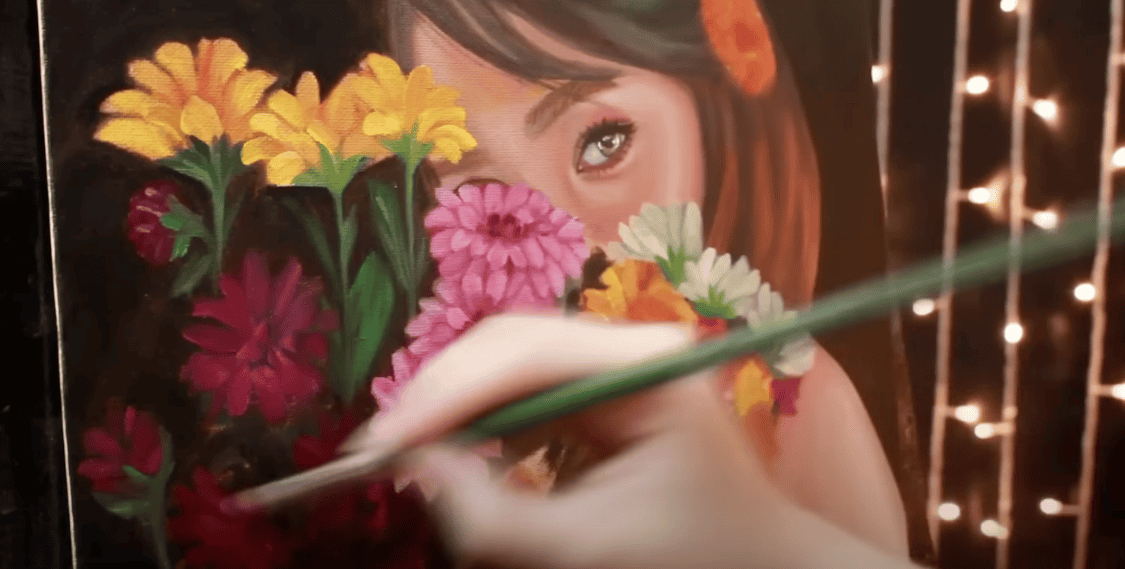
Photo of a blurred hand holding a brush, painting a girl surrounded by numerous flowers

After gathering your materials, it’s time to start painting.

TitleDescription
Setting Up Your PaletteArrange your colors along the edges of your palette, leaving the center open for mixing. Usually, the layout follows a specific order: whites, yellows, reds, blues, and finally, blacks.
Sketching the SubjectBegin by sketching your subject onto the canvas. A common technique is using thinned paint (often a neutral color like burnt umber), allowing you to correct errors before you dive into colors.
Blocking In“Blocking in” is the process of defining your color shapes. Using your sketch as a guide, start filling in the large areas of color. Keep your paint thinned and avoid details at this stage.
Building Up LayersOil painting is all about layering. Once your blocked-in base layer is dry, you can start building up your paint layers. This step allows you to create a depth of color not possible in a single layer.
Details and TexturesWith a strong foundation laid down, you can now focus on the finer details of your painting. You can use thicker, less diluted paint in this stage for textures.
GlazingGlazing involves applying a thin, transparent layer of oil paint over a dried layer. This method can alter the appearance of underlying colors and add a luminous quality to your painting.

Conclusion

Indeed, oil painting is a transformative art form that allows individuals to explore the depths of their creativity. As a beginner, the journey may seem overwhelming, but understanding the fundamentals, from the tools and materials to the process itself, can serve as a reliable roadmap. As you delve deeper into this vibrant world of color and texture, not only will you gain technical skills, but you’ll also discover your unique artistic voice. Remember, every stroke on the canvas brings you closer to mastery. Enjoy each moment of the process, and soon enough, you’ll find yourself not just an amateur, but an artist in your own right.

FAQS

How long does it take for oil paint to dry?

Oil paint dries slower than other types of paint. Depending on the thickness of the paint layer and the medium used, it can take anywhere from a few days to a couple of weeks to fully dry.

Can I mix oil paint with water?

No, oil and water do not mix. To thin oil paint, you must use a medium such as linseed oil or turpentine.

How should I clean my brushes after using oil paint?

Brushes should be cleaned with turpentine or mineral spirits, then washed with warm soapy water to remove any remaining paint and oil.

How can I make my oil painting last longer?

To ensure longevity, use good quality materials, paint on a properly prepared surface, and protect your finished work with a varnish.

Share

By

The Top-Notch Drawing Tablets with Screens in 2023

Posted on 7 min read 157 views

Drawing tablets with screens have revolutionized the way digital artists bring their creative visions to life, providing them with a more intuitive and natural drawing experience. These tablets offer a seamless combination of pen and display, allowing artists to directly interact with their artwork. However, with the vast array of options available on the market, choosing the best drawing tablet that aligns with your specific needs can be a daunting task.

In this comprehensive article, we will delve into the realm of drawing tablets with screens, exploring the top contenders for the year 2023. By providing in-depth information about their specifications, features, and compatibility, we aim to assist artists in making an informed decision. Whether you’re a professional artist seeking the highest level of precision or a hobbyist searching for an affordable yet reliable option, our detailed analysis will help you identify the ideal drawing tablet that will unlock your creative potential.

1. Wacom Cintiq Pro 24 Creative Pen Display

The Wacom Cintiq Pro 24 is a highly regarded drawing tablet with a screen, known for its exceptional quality and performance. Let’s take a closer look at its specifications:

Wacom Cintiq Pro 24 Specifications

Display Size23.6 inches
Resolution4K (3840 x 2160)
Color Gamut99% Adobe RGB
Pen Pressure Levels8192

The large 23.6-inch display of the Cintiq Pro 24 offers an immersive drawing experience, allowing artists to work on intricate details with ease. The 4K resolution ensures exceptional clarity and sharpness, enhancing the overall quality of your artwork. Additionally, the wide color gamut of 99% Adobe RGB guarantees accurate color representation.

The Pro Pen 2 technology with 8192 pressure levels enables precise pen control, allowing for nuanced brush strokes and accurate line work. The tablet supports multi-touch gestures, providing an intuitive way to navigate and interact with your artwork.

2. Huion KAMVAS Pro 16

If you’re looking for a budget-friendly drawing tablet with an impressive screen, the Huion KAMVAS Pro 16 is an excellent choice. Here are its specifications:

Huion KAMVAS Pro 16 Specifications

Display Size15.6 inches
ResolutionFull HD (1920 x 1080)
Color Gamut120% sRGB
Pen Pressure Levels8192

The KAMVAS Pro 16 features a 15.6-inch full HD display, providing vibrant colors and excellent viewing angles. The 120% sRGB color gamut ensures accurate and lifelike color reproduction, making your artwork truly stand out.

Equipped with 8192 levels of pen pressure sensitivity, the PW507 pen delivers a smooth and natural drawing experience. The tablet comes with a fully adjustable stand, allowing you to find the perfect working angle that suits your needs and preferences.

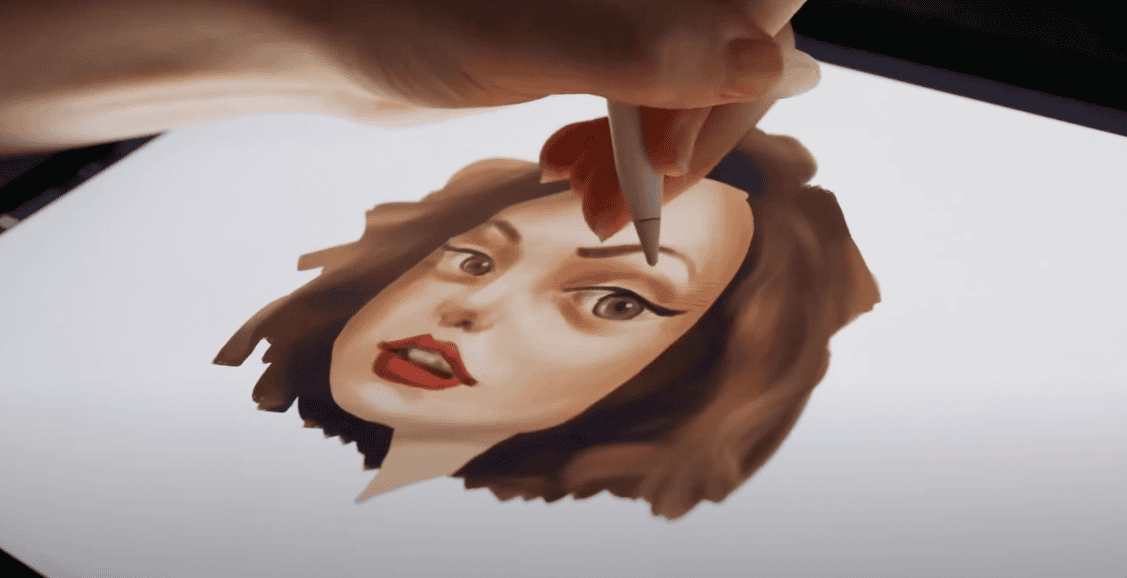
Photo of a hand holding a digital stylus and drawing the face of a girl

3. XP-Pen Artist Pro 16TP

The XP-Pen Artist Pro 16TP is a tablet that stands out with its stunning AMOLED display and impressive specifications. Let’s dive into the details:

XP-Pen Artist Pro 16TP Specifications

Display Size15.6 inches
Resolution4K (3840 x 2160)
Color Gamut100% Adobe RGB, 93% DCI-P3
Pen Pressure Levels8192

Featuring a 15.6-inch 4K AMOLED display, the Artist Pro 16TP offers vibrant and true-to-life colors with deep blacks and high contrast. The 100% Adobe RGB and 93% DCI-P3 color gamut ensure accurate color representation, making it an ideal choice for professional digital artists.

The PA5 Battery-free Stylus with tilt recognition provides a natural drawing experience, allowing you to create with precision and control. The tablet also features a Twin-Touch interface, enabling you to use a combination of pen and touch inputs for enhanced productivity and convenience.

4. Gaomon PD1560

The Gaomon PD1560 is a budget-friendly drawing tablet that delivers impressive performance without breaking the bank. Let’s explore its specifications:

Gaomon PD1560 Specifications

Display Size15.6 inches
ResolutionFull HD (1920 x 1080)
Color Gamut72% NTSC
Pen Pressure Levels8192

Featuring a 15.6-inch full HD display, the Gaomon PD1560 provides a comfortable drawing area with good color accuracy. The 72% NTSC color gamut ensures decent color representation, allowing you to bring your artwork to life.

The PD1560 comes with a battery-free pen that offers 8192 levels of pressure sensitivity, providing you with precise and responsive control. The tablet also includes 10 shortcut keys and 5 menu keys, allowing you to customize and optimize your workflow. It is compatible with both Windows and macOS, supporting popular drawing software such as Photoshop, Illustrator, and more.

5. Microsoft Surface Pro 8

The Microsoft Surface Pro 8 is a versatile device that combines the functionalities of a laptop and a tablet, making it an attractive option for digital artists. Let’s explore its specifications:

Microsoft Surface Pro 8 Specifications

Display Size13 inches
Resolution2880 x 1920
Color GamutNot specified
Pen Pressure Levels4096 (with Surface Pen)

While not specifically designed as a drawing tablet, the Surface Pro 8 offers a compact 13-inch display with a high resolution of 2880 x 1920. Although the color gamut is not specified, the Surface Pro 8 is known for providing accurate color representation.

To unleash its drawing capabilities, the Surface Pro 8 requires the use of the Surface Pen, which offers 4096 levels of pressure sensitivity. While not as advanced as some dedicated drawing tablets, the Surface Pro 8 can still deliver a satisfactory drawing experience. It runs on Windows, allowing you to use a wide range of desktop software for your creative endeavors.

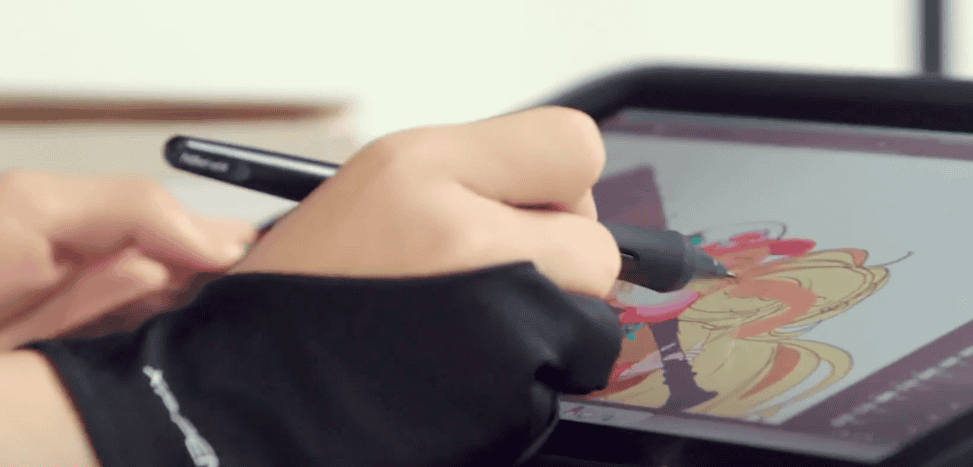
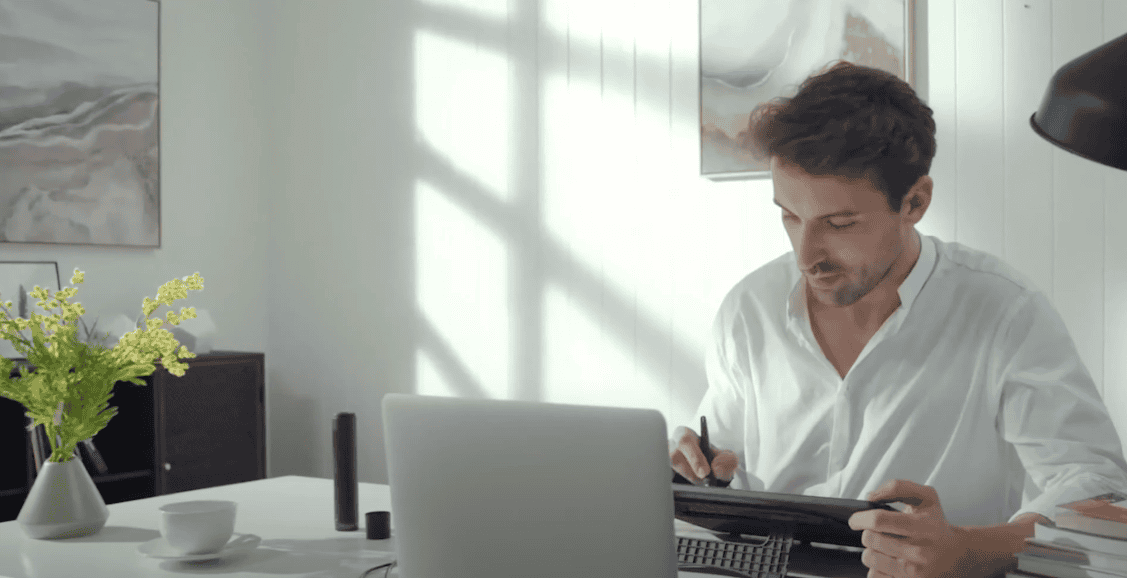
Photo of a guy sitting with a drawing pad and a laptop in front of him, actively working on the drawing pad

6. Apple iPad Pro (2023)

The Apple iPad Pro has been a popular choice among digital artists for its powerful performance and sleek design. The 2023 model comes with notable improvements that make it even more appealing.

Apple iPad Pro (2023) Specifications

Display Size12.9 inches
ResolutionLiquid Retina XDR (2732 x 2048)
Color GamutP3 wide color gamut
Pen Pressure LevelsNot specified

The 12.9-inch Liquid Retina XDR display offers exceptional color accuracy and brightness, making your artwork look vibrant and detailed. The P3 wide color gamut ensures accurate color representation, providing a visually stunning drawing experience.

The Apple Pencil 3, designed specifically for the iPad Pro, delivers precise and responsive drawing capabilities. With its seamless integration, the Apple Pencil 3 offers low latency and exceptional pressure sensitivity for a natural and fluid drawing experience.

7. Samsung Galaxy Tab S8 Ultra

The Samsung Galaxy Tab S8 Ultra is a powerful Android tablet that offers impressive features for digital artists. Let’s take a closer look at its specifications:

Samsung Galaxy Tab S8 Ultra Specifications

Display Size14.6 inches
ResolutionAMOLED (3200 x 2400)
Color Gamut100% DCI-P3
Pen Pressure Levels4096

The Galaxy Tab S8 Ultra features a large 14.6-inch AMOLED display with a high resolution, providing exceptional clarity and vivid colors. The 100% DCI-P3 color gamut ensures accurate and vibrant color representation, enhancing the quality of your artwork.

Equipped with the S Pen, the Galaxy Tab S8 Ultra offers 4096 levels of pen pressure sensitivity, allowing for precise control and detailed drawings. The S Pen attaches magnetically to the tablet for convenient storage and charging.

8. Lenovo Yoga Duet 7i

The Lenovo Yoga Duet 7i is a versatile 2-in-1 device that combines the functionalities of a laptop and a tablet. With its sleek design and impressive specifications, it offers a great drawing experience.

Lenovo Yoga Duet 7i Specifications

Display Size13 inches
ResolutionFull HD (1920 x 1080)
Color Gamut100% sRGB
Pen Pressure Levels4096

Featuring a 13-inch Full HD display, the Lenovo Yoga Duet 7i provides crisp and vibrant visuals. The 100% sRGB color gamut ensures accurate color reproduction, making your artwork look stunning and true to life.

The Lenovo E-Color Pen, included with the tablet, offers 4096 levels of pressure sensitivity, allowing for precise and nuanced drawing. The tablet’s 2-in-1 design with a detachable keyboard provides the flexibility to switch between laptop and tablet mode, catering to various creative workflows.

9. XP-Pen Deco Pro Medium

The XP-Pen Deco Pro Medium is a compact and affordable drawing tablet with a screen that doesn’t compromise on performance. Let’s explore its specifications:

XP-Pen Deco Pro Medium Specifications

Display Size11 inches
ResolutionFull HD (1920 x 1080)
Color Gamut120% sRGB
Pen Pressure Levels8192

With its 11-inch Full HD display, the XP-Pen Deco Pro Medium offers a comfortable drawing area with excellent color accuracy. The 120% sRGB color gamut ensures vibrant and true-to-life colors in your artwork.

The Deco Pro Medium comes with an ergonomic battery-free stylus that provides 8192 levels of pen pressure sensitivity. The tablet features eight customizable express keys and a touch ring, allowing you to streamline your workflow and access frequently used functions easily.

10. Huion Kamvas 22 Plus

The Huion Kamvas 22 Plus is a large drawing tablet with a screen that offers a spacious canvas for digital artists. Let’s take a closer look at its specifications:

Huion Kamvas 22 Plus Specifications

Display Size21.5 inches
ResolutionFull HD (1920 x 1080)
Color Gamut120% sRGB
Pen Pressure Levels8192

With its expansive 21.5-inch Full HD display, the Huion Kamvas 22 Plus provides ample room for creative expression. The 120% sRGB color gamut ensures accurate and vibrant color reproduction, making your artwork visually appealing.

The Kamvas 22 Plus includes a battery-free stylus with 8192 levels of pen pressure sensitivity, offering precise control and a natural drawing experience. The tablet features 20 customizable express keys and a touch bar, allowing you to personalize your workflow and access your favorite shortcuts easily.

Conclusion

Drawing tablets with screens offer an immersive and intuitive way for digital artists to bring their creative visions to life. Whether you opt for the high-end Wacom Cintiq Pro 24, the budget-friendly Huion KAMVAS Pro 16, the vibrant XP-Pen Artist Pro 16TP, the cost-effective Gaomon PD1560, or the versatile Microsoft Surface Pro 8, each tablet has its unique features and advantages.

Consider your budget, specific requirements, and desired features to make an informed decision. With the right drawing tablet with a screen, you can unlock your artistic potential and take your digital artwork to new heights.

FAQS

What factors should I consider when purchasing a drawing tablet with a screen?

When selecting a drawing tablet with a screen, several factors should be taken into account:
1. Display Size and Resolution: Consider the size and resolution of the screen, as it affects your workspace and the level of detail you can achieve in your artwork.
2. Color Gamut: A wide color gamut ensures accurate color representation, allowing your artwork to look vibrant and true to life.
3. Pen Pressure Levels: Higher pressure levels provide better control and precision in your drawings.
4. Responsiveness: Look for tablets that offer minimal input lag and fast response times to ensure a seamless drawing experience.
5. Compatibility: Check if the tablet is compatible with your operating system and preferred drawing software.

Are expensive drawing tablets with screens necessarily better?

While expensive drawing tablets often offer more advanced features and higher specifications, it doesn’t necessarily mean they are better for everyone. Many budget-friendly tablets provide excellent performance for their price, making them suitable for both beginners and professionals on a budget. It’s essential to consider your specific needs and prioritize the features that matter most to you.

Do all drawing tablets with screens come with a pen?

Most drawing tablets with screens come with a pen included in the package. However, it’s crucial to read the product description and specifications to confirm if the tablet you are considering includes a pen. In some cases, such as the Microsoft Surface Pro, the pen needs to be purchased separately.

Share

By

Exploring the Harmonious Blend of Elements

Posted on 5 min read 202 views

Throughout the course of history, art has emerged as a pivotal medium for showcasing human creativity. It serves as a means of communication, enabling individuals to express themselves and delve into a multitude of themes and concepts. Among the key elements of art, unity holds immense importance. Unity entails the seamless integration of various elements within a piece, resulting in a harmonious composition. By fostering coherence, equilibrium, and a sense of wholeness, unity plays a pivotal role in enhancing the overall aesthetic encounter. This article will thoroughly examine the concept of unity in art, delving into its profound significance, techniques employed, and its profound impact on the beholder.

Understanding Unity in Art

The concept of unity in art can be understood as a fundamental principle that harmoniously unifies diverse elements within a work, creating a cohesive and visually appealing whole. It encompasses the integration of various components, including color, form, line, texture, and composition, to establish a sense of coherence and balance. When unity is successfully achieved, the artwork becomes aesthetically pleasing and coherent, facilitating a more engaging and meaningful experience for the viewer.

Significance of Unity

  1. Enhances Visual Impact: Unity plays a vital and pivotal role in captivating the viewer’s attention. When a composition is unified, it possesses the power to create a compelling visual impact, effortlessly guiding the viewer’s gaze throughout the artwork. This seamless flow enables a deeper comprehension and heightened appreciation of the artist’s intended message;
  2. Creates a Sense of Completeness: Unity bestows upon an artwork a profound sense of wholeness and completeness. It acts as a safeguard against overwhelming or confusing the viewer with conflicting elements, instead facilitating the seamless integration of diverse components and ideas within the artwork;
  3. Establishes Visual Hierarchy: Unity plays a pivotal role in establishing a visual hierarchy within the artwork, effectively determining the relative dominance or subordination of its elements. This hierarchy serves as a guide for the viewer’s attention, enabling a structured and focused understanding of the artwork’s narrative or message.

Techniques for Achieving Unity

  1. Repetition: An effective technique for attaining unity in artwork involves the skillful repetition of visual elements throughout the piece. By incorporating the repetition of colors, shapes, lines, or patterns, a captivating sense of rhythm and consistency emerges, forging a visual connection between various elements within the composition;
  2. Balance: Balance encompasses the art of distributing visual weight within an artwork. By achieving a harmonious equilibrium, balance ensures that no single element overpowers the others. There are three primary types of balance: symmetrical, asymmetrical, and radial. Each type offers distinct avenues for attaining unity in an artwork;
  3. Color Harmony: The meticulous selection and arrangement of colors play a significant role in achieving unity within an artwork. Artists frequently employ color schemes such as complementary, analogous, or monochromatic to create a harmonious palette that unifies the various elements of the piece. Additionally, colors can be strategically utilized to establish focal points or generate contrasts within the composition, further enhancing the overall sense of unity;
  4. Composition: The arrangement of elements within the frame of an artwork holds paramount importance in attaining unity. Artists employ techniques such as the rule of thirds, leading lines, or the golden ratio to craft a well-balanced and visually captivating composition. A thoughtfully composed artwork effectively guides the viewer’s attention and establishes a distinct visual hierarchy.

Impact of Unity on the Viewer

Emotional Response

  1. Sense of Coherence: Unity enables the viewer to comprehend and connect with the artwork more easily. A unified composition eliminates distractions and conflicting elements, allowing the viewer to focus on the underlying message or emotions conveyed by the artist;
  2. Engaging Experience: Unity creates a visually pleasing and cohesive artwork that captures the viewer’s attention. When the elements work together harmoniously, the viewer is more likely to spend time observing and exploring the details, resulting in a more engaging experience.

Interpretation and Understanding

  1. Clear Communication: Unity aids the artist in effectively communicating their intended message or idea. By using cohesive elements, the artist guides the viewer’s interpretation, making the message more accessible and reducing the chances of misinterpretation;
  2. Narrative Cohesion: In narrative artworks, unity is crucial for maintaining a consistent visual language. A unified composition helps establish a coherent storyline, enabling the viewer to follow the narrative more easily and understand the relationships between different elements or characters.

Conclusion

In the realm of art, unity embodies the seamless fusion of diverse elements into a composition. By skillfully integrating aspects like color harmony, composition, balance, repetition and rhythm, scale and proportion, as well as texture and materiality, artists can forge a visual coherence that gives birth to harmonious and well-balanced masterpieces. Various techniques, such as meticulous planning, sketching, conducting color studies, and embracing an iterative process, contribute to the journey of attaining unity in art. The significance of unity lies in its ability to enrich the viewer’s encounter by bestowing a sense of structure, coherence, and captivating involvement. When artists comprehend and apply the principles of unity, they can fashion artworks that leave a lasting impact and deeply resonate with their audience.

FAQS

Why is unity important in art?

Unity is important in art as it creates a sense of visual coherence and harmony. It allows the viewer to perceive the artwork as a unified whole, resulting in a more engaging and impactful experience. Unity brings together different elements and creates a sense of order that enhances the overall aesthetic appeal of the artwork.

Can unity be achieved in abstract art?

Yes, unity can be achieved in abstract art. While abstract art often lacks recognizable subject matter, unity can still be established through elements such as color harmony, composition, and rhythm. Abstract artists often rely on the effective use of color, shape, line, and texture to create a cohesive and unified composition.

How does unity enhance the viewer’s experience?

Unity enhances the viewer’s experience by creating a sense of order and coherence within the artwork. When elements within a composition are unified, the viewer can easily navigate and understand the artwork. Unity guides the viewer’s eye, establishes visual relationships between elements, and provides a sense of balance and harmony, resulting in a more immersive and meaningful experience.

Share

By

Emphasis in Art: A Visual Journey

Posted on 7 min read 181 views

Art possesses an inherent ability to express thoughts, emotions, and perspectives in a compelling manner. Within the domain of visual arts, emphasis assumes a pivotal role in guiding the observer’s focus and generating a profound effect. By grasping the concept of emphasis, artists can manipulate various design elements and principles to steer the viewer’s gaze, convey their intended message, and evoke specific sentiments. In this discourse, we shall delve into the essence of emphasis in art, examine its profound significance, and scrutinize the diverse techniques employed by artists to imbue their creations with emphasis.

Comprehending Emphasis

Emphasis stands as a fundamental principle within the realm of art, encompassing the strategic utilization of visual techniques to accentuate particular elements, regions, or facets within an artwork. Through the application of emphasis, artists can skillfully direct the observer’s attention, establish a visual hierarchy, and augment the overall impact and significance of their artistic endeavors. This article aims to provide a comprehensive comprehension of emphasis, delving into its significance, techniques, and implications in the expansive world of art.

Importance of Emphasis

Emphasis holds immense significance in the realm of art, enabling artists to effectively express their intentions, direct the viewer’s interpretation, and convey the central message or theme of their creations. By accentuating specific elements, artists can establish focal points, instill visual tension, and maintain control over the narrative within the artwork. Emphasis aids in organizing the composition, drawing attention to particular details, and enriching the overall visual encounter for the viewer.

Methods for Establishing Emphasis

Artists employ a range of techniques to generate emphasis in their artwork. These techniques encompass:

  1. Contrast: Utilizing differences in color, value, shape, size, texture, or other visual elements to create a noticeable distinction between the emphasized element and the surrounding elements;
  2. Placement: Strategically positioning the emphasized element within the composition to ensure it occupies a prominent or central location, making it more visually commanding;
  3. Isolation: Separating the emphasized element from the rest of the composition by using negative space or framing techniques, which draw attention to its uniqueness and significance;
  4. Scale and Proportion: Employing variations in scale and proportion to make the emphasized element larger, smaller, or more exaggerated compared to other elements, thereby increasing its visual impact;
  5. Focus and Depth of Field: Manipulating focus and depth of field to create a sharp, clear focus on the emphasized element while allowing other elements to appear blurred or less defined;
  6. Repetition and Rhythm: Repeating certain visual elements, patterns, or motifs to emphasize their presence and create a sense of rhythm or visual harmony within the artwork.

Implications of Emphasis

Emphasis has several implications in art, both in terms of aesthetics and storytelling. Some of these implications include:

Directing Attention

Artists utilize various techniques to direct the viewer’s attention within their artwork, strategically guiding their gaze towards specific areas or elements. Emphasis is a powerful tool that enables artists to control the viewer’s visual journey and ensure that their eyes are drawn to particular focal points. This can be achieved through the implementation of composition techniques, such as the placement of elements, use of color, contrast, and scale.

Techniques for Directing Attention

TechniqueDescription
PlacementStrategic positioning of elements to create a visual hierarchy
ColorUse of vibrant or contrasting colors to draw attention
ContrastVariation in tones, textures, or shapes to create visual interest
ScaleManipulating the size of elements to create emphasis
Leading linesUtilizing lines to guide the viewer’s gaze towards specific areas
Point of focusEstablishing a central point of interest that demands attention

Directing attention in artwork is crucial for artists to convey their intended message effectively. By employing techniques that create emphasis, artists can guide the viewer’s eye and ensure they focus on specific areas or elements within the artwork, allowing for a controlled and engaging visual experience.

Establishing Hierarchy

In the creation of artwork, establishing a visual hierarchy is essential for artists to communicate the relative importance or significance of different elements within the composition. This is achieved by emphasizing certain elements over others, effectively guiding the viewer’s understanding and interpretation of the artwork.

Techniques for Establishing Hierarchy

TechniqueDescription
SizeVarying the size of elements to indicate their importance or dominance
PlacementStrategic positioning to create a sense of hierarchy and visual flow
ColorUsing color to differentiate and prioritize elements
ContrastCreating contrast through light and dark values to draw attention
DetailFocusing on specific details to highlight their significance
TypographyUtilizing different fonts, sizes, and styles for text-based elements

Establishing hierarchy in artwork is crucial for artists to effectively communicate the importance and relationships between different elements. By utilizing techniques such as size, placement, color, contrast, detail, and typography, artists can create a visual hierarchy that guides the viewer’s perception and enhances their understanding of the artwork.

Enhancing Meaning

Emphasizing specific elements within an artwork serves a deeper purpose by enriching the meaning and symbolism conveyed. By highlighting certain elements, artists can imbue them with significance, representing key themes, ideas, or emotions that contribute to the overall message of the artwork.

Techniques for Enhancing Meaning

TechniqueDescription
SymbolismUsing symbolic representations to convey abstract or complex ideas
MetaphorEmploying metaphors to evoke specific emotions or concepts
IconographyIncorporating culturally significant symbols or imagery
CompositionArranging elements in a deliberate manner to reinforce the intended meaning
NarrativeTelling a story or depicting a sequence of events to convey meaning
ContrastEmploying contrasting elements to evoke tension or highlight juxtaposition

Emphasizing specific elements in artwork goes beyond mere aesthetics and serves to enhance the meaning and symbolism portrayed. Through techniques like symbolism, metaphor, iconography, composition, narrative, and contrast, artists can deepen the emotional and conceptual impact of their work, allowing viewers to engage with the artwork on a more profound level.

Creating Impact

Emphasis plays a vital role in the creation of powerful and impactful visual experiences within artwork. By skillfully applying emphasis, artists can capture the viewer’s attention and leave a lasting impression. This ability to create impact is achieved through various techniques that draw the viewer’s focus and evoke strong emotional responses.

Techniques for Creating Impact

TechniqueDescription
ContrastUtilizing stark contrasts to create visual tension and grab attention
ScaleManipulating the size of elements to create a sense of grandeur or intensity
ColorEmploying bold or vibrant colors to evoke strong emotions and stimulate senses
CompositionArranging elements in a dynamic or unconventional manner to create intrigue
TextureIncorporating textured surfaces to add depth and tactile interest
MovementDepicting dynamic or kinetic elements to evoke a sense of energy and action

Emphasis is a powerful tool that enables artists to create impactful visual experiences that resonate with viewers. By employing techniques like contrast, scale, color, composition, texture, and movement, artists can capture attention, evoke strong emotions, and leave a lasting impression on the viewer’s mind. This ability to create impact enhances the overall effectiveness and memorability of the artwork.

Emphasis is a vital technique in the realm of art that enables artists to effectively communicate their intentions, guide the viewer’s perception, and enhance the overall impact of their work. By employing various techniques such as contrast, placement, isolation, scale, and proportion, artists can create a visual hierarchy, direct attention, and convey meaning within their compositions. Emphasis adds depth, intrigue, and visual engagement to art, enriching the viewer’s experience and facilitating a deeper understanding and appreciation of the artist’s message.

Importance of Emphasis in Art

Emphasis plays a crucial role in the world of art, serving several key purposes that enhance the overall impact and effectiveness of a piece. Here are some reasons why emphasis is essential:

  • Directing the Viewer’s Attention: Emphasis allows artists to take control of the viewer’s gaze, guiding them towards specific elements or areas within the artwork. By strategically placing emphasis, artists can ensure that the viewer focuses on the most significant aspects, effectively conveying their intended message and creating a sense of visual flow;
  • Creating Visual Impact: Emphasizing certain elements adds visual interest and impact to a composition. By drawing attention to specific areas, artists can create focal points that captivate the viewer’s gaze and evoke a sense of drama, dynamism, or intrigue. This visual impact enhances the overall composition and leaves a memorable impression on the viewer;
  • Conveying Meaning and Emotion: Emphasis is a powerful tool for artists to communicate meaning, emotions, narratives, and themes. By emphasizing specific elements, artists can convey their intended message more effectively, whether it’s expressing a particular emotion, telling a story, or exploring deeper themes. Through emphasis, artists can evoke specific feelings and engage the viewer on an emotional level.

Emphasis is of utmost importance in art. It allows artists to direct the viewer’s attention, create visual impact, and convey meaning and emotion. By skillfully employing emphasis, artists can enhance the overall effectiveness and resonance of their artwork, ensuring a captivating and meaningful experience for the viewer.

Conclusion

Emphasis is a fundamental concept in art that allows artists to direct the viewer’s attention and create impact within their works. By employing various techniques such as contrast, color, scale, and placement, artists can emphasize specific elements or areas, thereby conveying meaning, evoking emotions, and enhancing the overall visual appeal. Through the skillful use of emphasis, artists can guide the viewer’s gaze, tell a compelling story, and leave a lasting impression.

Whether it’s through the bold contrast of light and dark, the vibrant hues that ignite emotions, or the strategic placement of focal points, emphasis breathes life into artworks and transforms them into powerful and engaging experiences. It is through the intentional use of emphasis that artists harness the potential to create art that resonates deeply with viewers, capturing their attention and inviting them on a visual journey that lingers in their minds long after they have encountered the artwork.

FAQS

Can emphasis be created using multiple techniques simultaneously?

Yes, artists often combine different techniques to create a stronger sense of emphasis. For example, they may use contrast in color, scale, and placement to draw attention to a specific element.

Does emphasis always have to be on a single element?

No, emphasis can be placed on multiple elements or areas within an artwork. The key is to create a visual hierarchy that guides the viewer’s gaze effectively.

How does emphasis affect the overall composition of an artwork?

Emphasis helps in organizing the composition and creating a focal point. It adds structure, balance, and depth to the artwork, enhancing its visual appeal.

Are there any guidelines for using emphasis in art?

While there are no rigid rules, artists should consider the intended message, emotions, and impact they want to achieve when employing emphasis. Experimentation and personal expression play a significant role in determining how emphasis is utilized.

Share

By

What Is a WIP in Art?

Posted on 2 min read 214 views

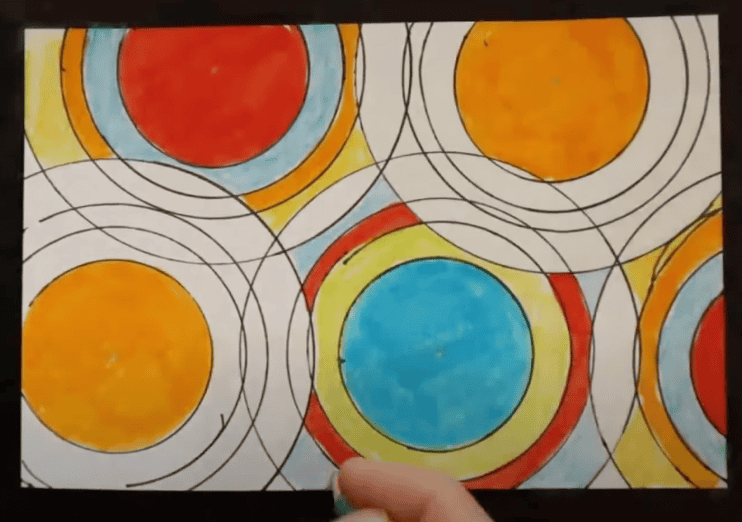
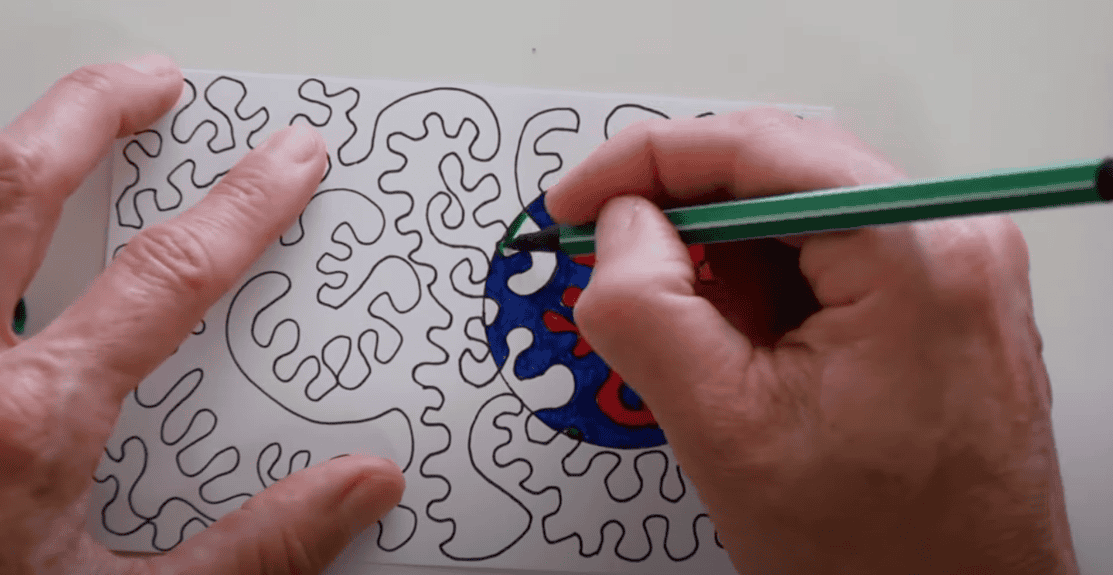
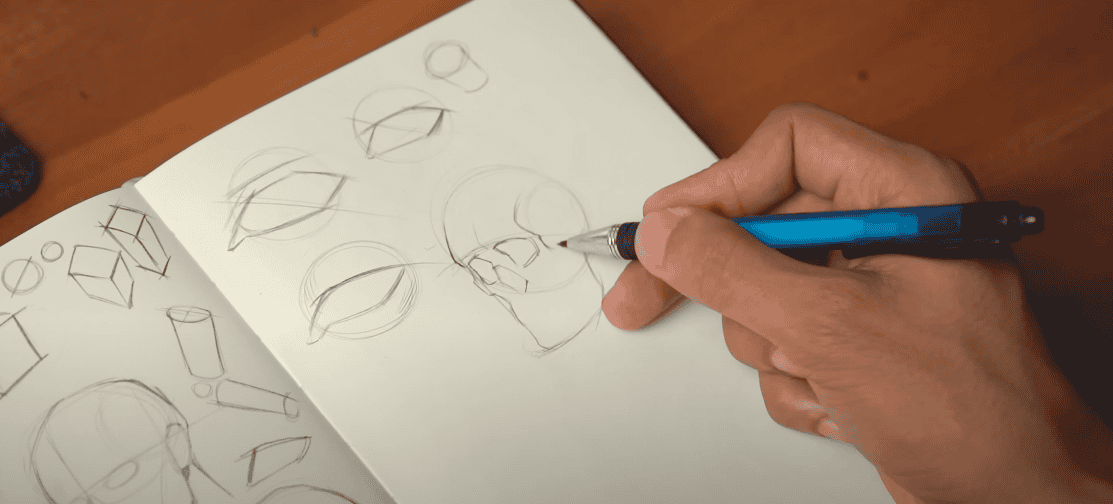
In the world of art, the term “WIP” stands for “work in progress.” It refers to an artwork that is still being created or developed, rather than being considered a finished piece. WIPs can take many forms, including paintings, sculptures, drawings, digital artwork, and more.

WIPs serve as a window into the artistic process, allowing viewers to witness the evolution and transformation of the piece over time. They provide insights into an artist’s techniques, choices, and challenges. Sharing WIPs allows artists to engage with their audience, receive feedback, and build a community around their art.

Here are some key points about WIPs in art:

  • Purpose: WIPs offer a glimpse into the artist’s decision-making, experimentation, and refinement. They document the artistic journey and showcase the progress made;
  • Visual Representation: Artists often share WIPs through photographs or videos. These visual representations capture the artwork at different stages, from initial sketches to final details, showcasing the sequential development;
  • Written Descriptions: Alongside visual documentation, artists may provide written descriptions or annotations. These explanations offer insights into artistic choices, challenges faced, and reflections on the progress made;
  • Platforms for Sharing: WIPs can be shared on social media, art forums, or personal websites. Artists choose various platforms to engage with their audience, receive feedback, and build a community around their art;
  • Benefits for Artists: Sharing WIPs allows artists to receive constructive criticism, suggestions, and encouragement. It serves as a personal record of their artistic growth and development;
  • Benefits for Viewers: Following WIPs can be an inspiring and educational experience for viewers. It provides a window into the creative process, enabling them to appreciate the artist’s journey and gain a deeper understanding of the art-making process.

Conclusion

WIPs in art refer to artworks that are still in progress, offering insights into the artist’s creative process and the evolution of the piece over time. Through visual documentation and written descriptions, artists share their work, engage with their audience, and build a community. WIPs provide a valuable opportunity for artists and viewers alike to appreciate the artistic journey and the process of creating art.

Share

By