International

The Power of Form in Art: Understanding Techniques and Significance

Posted on 9 min read 54 views

Art is a fundamental means of interpreting the world, allowing individuals to express their perceptions in a figurative manner. It is a crucial component of humanity’s spiritual culture, fulfilling cognitive, aesthetic, and social needs. Art employs its own distinctive language to convey information, which can pose a challenge when attempting to define it due to its extensive diversity and complexity.

Moreover, as a cultural form, art embodies syncretism, combining various expressive elements and representing a wide range of abstract concepts that are challenging to define precisely. The efficacy of art in conveying ideas and its ability to exert a powerful impact on its audience is heavily reliant on the artistic form utilized.

Often regarded as one of the most critical elements of a work of art, form provides viewers with a tangible way to interpret what they see. Forms can range from simplistic to intricate, abstract to representational, and possess the ability to evoke powerful impressions on viewers.

In this article, we’ll examine various aspects of form in art, including its definition, examples, and types, with the aim of providing a comprehensive understanding of this fundamental aspect of the visual arts.

A Comprehensive Insight on a Global Scale

Art, in its essence, embodies form. It encompasses the entirety of humanity’s spiritual journey, serving as a reflection of subjective perceptions of the world. Through the accumulation of artistic legacies across civilizations, art evolves into the tangible manifestation of spiritual culture.

It transcends reality by transforming it into images, taking on materialized forms such as books, paintings, and performances. In this context, form is comprehended as the very essence of art, representing the embodiment of creative ideas and the realization of artistic imagery.

The Essence of Form in Art: A Definition and Interpretation

Form in art encompasses the physical structure and shape of artwork, serving as a fundamental element that guides artists in representing three-dimensional objects and subjects. When faced with the challenge of depicting a three-dimensional form on a two-dimensional surface, artists employ various techniques.
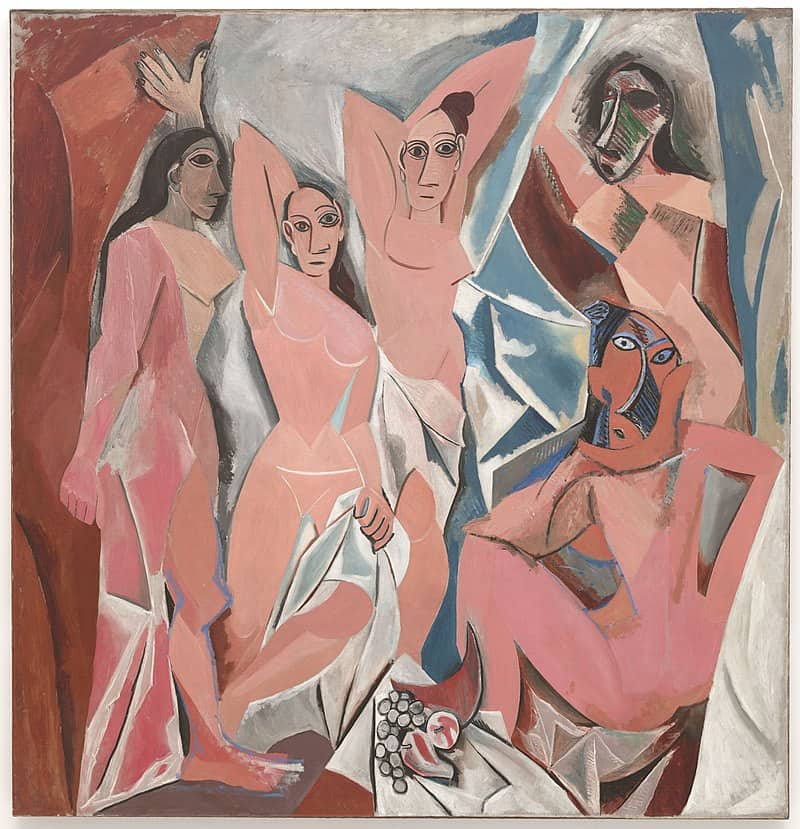
“Les Demoiselles d’Avignon” by Pablo Picasso, 1907

One approach involves rendering shapes with careful attention to highlights and shadows, effectively creating the illusion of depth. Another method entails the use of a third axis, allowing artists to visually convey the three-dimensionality of the subject.

It’s worth noting that sculptures are primarily classified as forms rather than shapes, as shapes are more broadly defined as two-dimensional entities. By comprehending the essence of form in art, we gain a deeper understanding of the techniques artists employ to bring their creations to life and engage viewers in an immersive visual experience.

Exploring the Artistic Expression of Form: Captivating Examples Across Different Mediums

Form, a key component of artistic expression, appears in a wide range of media and captivates spectators by giving visual compositions life and depth. It is the means by which artists convey a sense of depth, volume, and palpable presence, whether it is in the brushstrokes of a painting, the chiseled curves of a sculpture, or the fine lines of an etching.

In this section, we’ll examine three enthralling works of art that each demonstrates how astonishing it is for artists to go beyond two-dimensional surfaces and produce immersive experiences for the viewer.

Example 1: Laocoön and His Sons

The famous sculpture known as Laocoön and His Sons is one outstanding example. This magnificent work of art, which is made of marble, shows the dramatic scene of the Trojan priest and his progeny being trapped by serpents. The sculptors expertly created strong muscles and deep-set features with great attention to detail, creating compelling light and shadow interactions that exquisitely highlight the sculpture’s forms.
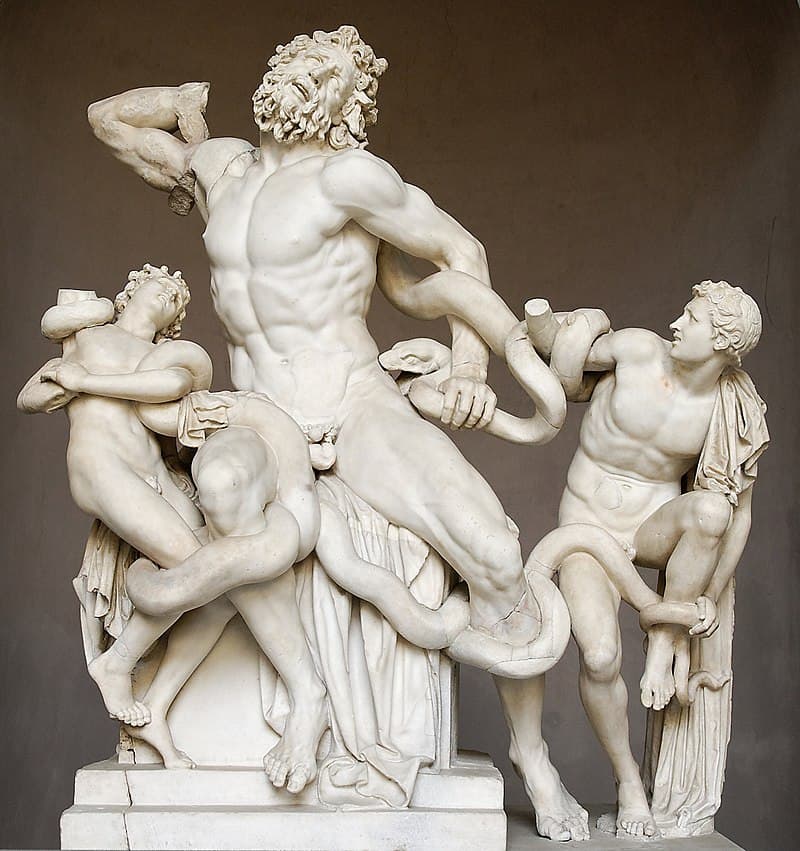
The artwork immerses the observer in the emotional agony it depicts through the use of the sinuous contours of the marble, which are strategically accentuated and shaded.

Example 2: Rembrandt’s Etching

With a captivating etching, the well-known artist Rembrandt exhibits his mastery of form in the field of printmaking. Rembrandt uses cross-hatching and hatching methods in this piece to depict the outline of the trees and grass. He skillfully creates a play of highlights and shadows by applying parallel and intersecting lines with care, smoothly converting a flat surface into a world brimming with dimension.
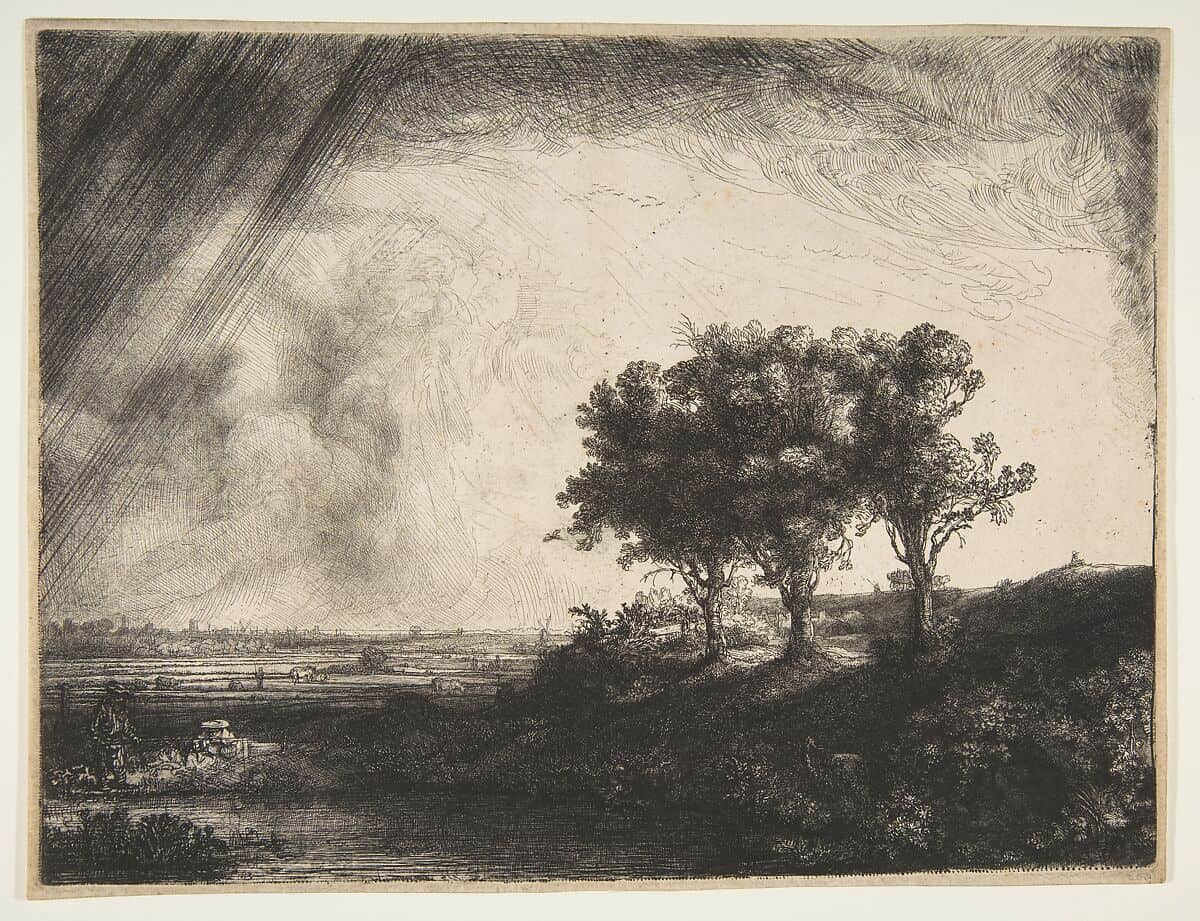
Despite the inherent limitations of the medium, the artist’s skillful manipulation of form manages to transport the viewer into a world that appears tangible and alive.

Example 3: Contemporary Photography

Modern photography also expresses form in a creative way. The unique photography of Joel Tjintjelaar, a talented urban landscape photographer provides a remarkable example of this. The artist turns the geometric shapes, lines, and contours of architectural structures into intriguing forms that exude a profound sense of depth through the careful choice of angles, lighting, and composition.
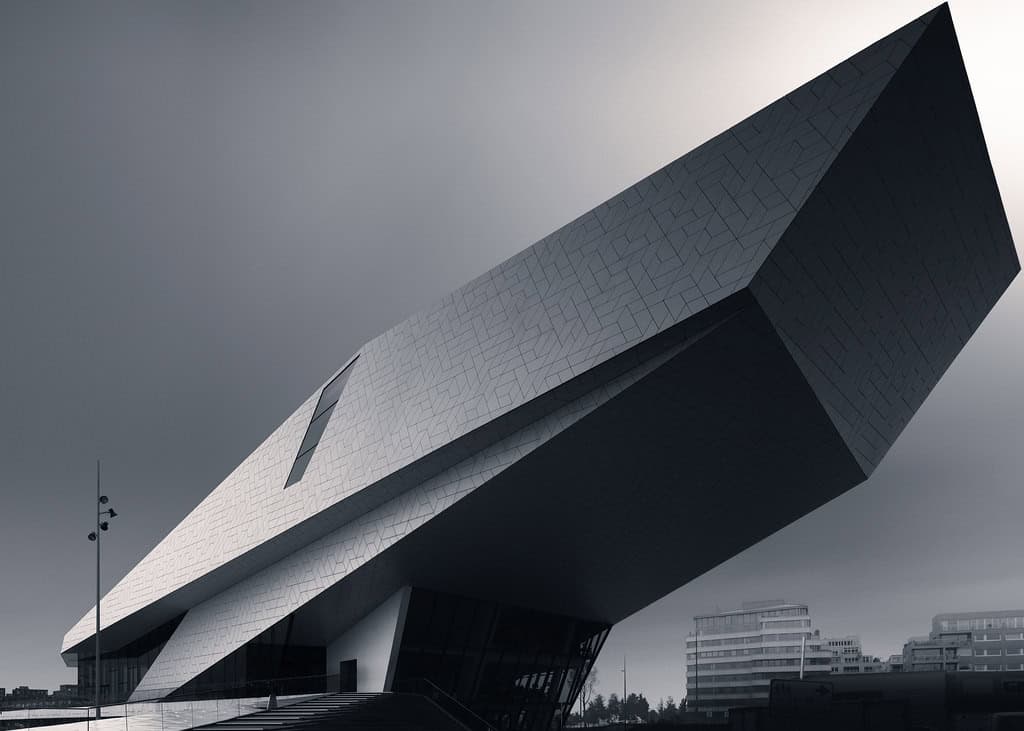
The Eye, Amsterdam, by Joel Tjintjelaar, 2016

By emphasizing the interplay of light and shadow, the photographer skillfully molds the visual elements, eliciting an emotional response and inviting the viewer to explore the intricacies of the captured form.

Modern Art

In the modern era, starting from the 20th century, sculptors departed from traditional materials such as marble, stone, and bronze. Instead, they embraced a diverse range of materials, pushing the boundaries of artistic expression. The contemporary sculpture has witnessed a shift towards non-representational forms, with artists utilizing steel, concrete, wood, and even light to create captivating and unconventional options.

Since the 1900s, numerous sculptural styles and movements have emerged. Artists like Otto Gutfreund and Raymond Duchamp-Villon drew inspiration from the Cubist movement, incorporating its fragmented and abstract aesthetic into their sculptural works. Another prominent figure, Alexander Calder, pioneered kinetic and transformational monumental public sculptures, reflecting the experimental and dynamic spirit of the modern art movement.

The advent of the Postmodern movement introduced sculptures that embraced installations and multimedia elements, as well as blurred the boundaries between fine art and popular culture. This era saw the fusion of diverse artistic sentiments, resulting in thought-provoking and conceptually rich sculptural works.

The Ongoing Philosophical Debate: Form versus Content

One enduring philosophical quandary in the realm of art revolves around the primacy and interrelationship of form and content. This inquiry delves into the nature of the former in art by juxtaposing it against the concept of content. Within this context, form encompasses the inseparable fusion of external qualities and internal structure, serving as the vessel that envelops the content.
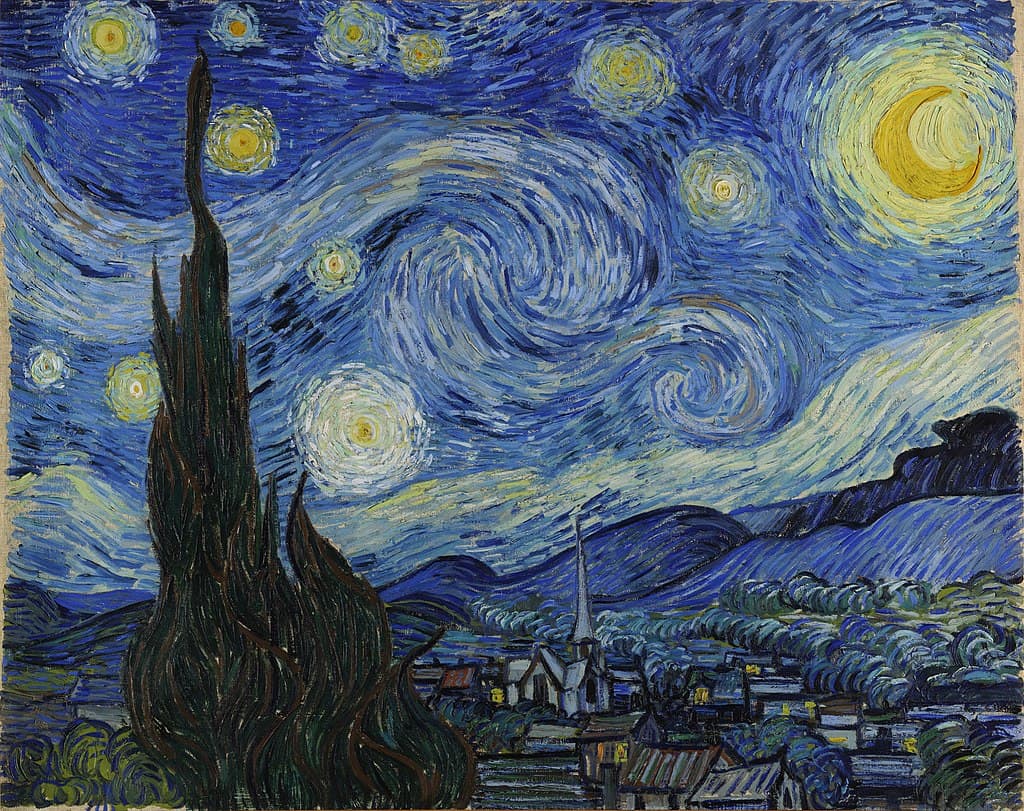
“Starry Night” by Vincent van Gogh, 1889 

In this perspective, artistic form assumes a multifaceted nature, finding expression through the specific structure of an artwork, employing various expressive means characteristic of specific art types, genres, and styles. These means invariably possess a material aspect, leading to the understanding of form as the tangible embodiment of the artistic idea and content.

From a broader standpoint, form in art embodies the manner in which the artistic idea, i.e., the content, is expressed and brought into existence. The harmonious coexistence of both gives rise to the ideological and artistic value inherent in a work of art.

Exploring Shape and Form in Art

In the realm of art, the significance of shape and form as distinct approaches to visual representation cannot be understated. Consider the following:

Shapes:

  • Exist within two dimensions, defined by lines or curves on a flat surface;
  • Possess clear outlines, boundaries, and contours, providing visual appeal and structure to compositions;
  • Artists employ various shapes, ranging from basic geometric figures to intricate forms, to achieve balance and harmony, and evoke specific emotions or messages.
Forms:

  • Transcend the limitations of two dimensions, manifesting as three-dimensional entities with depth, volume, and physicality;
  • Occupying space, they engage viewers from different perspectives, revealing unique surfaces and contours;
  • Sculptures, architectural structures, and tangible objects exemplify forms, captivating observers with their presence;
  • Techniques like shading with dark and light pigments in traditional media such as painting and drawing are utilized to create an illusion of depth, volume, and realism within two-dimensional compositions.

The distinction between shape and form lies in their dimensional attributes. Shapes confine themselves to two dimensions, delineated by lines or curves on a flat surface. Forms, on the other hand, break free from these limitations, emerging as tangible entities with depth, volume, and physical presence.

Unveiling the Artistic Dimensions: Geometric and Organic Forms

Forms hold a vital role in the creation of visual compositions, shaping the artistic landscape. In art, forms can be broadly classified into two distinct types: geometric and organic. Let’s explore them and their significance in the artistic realm.

Geometric Forms

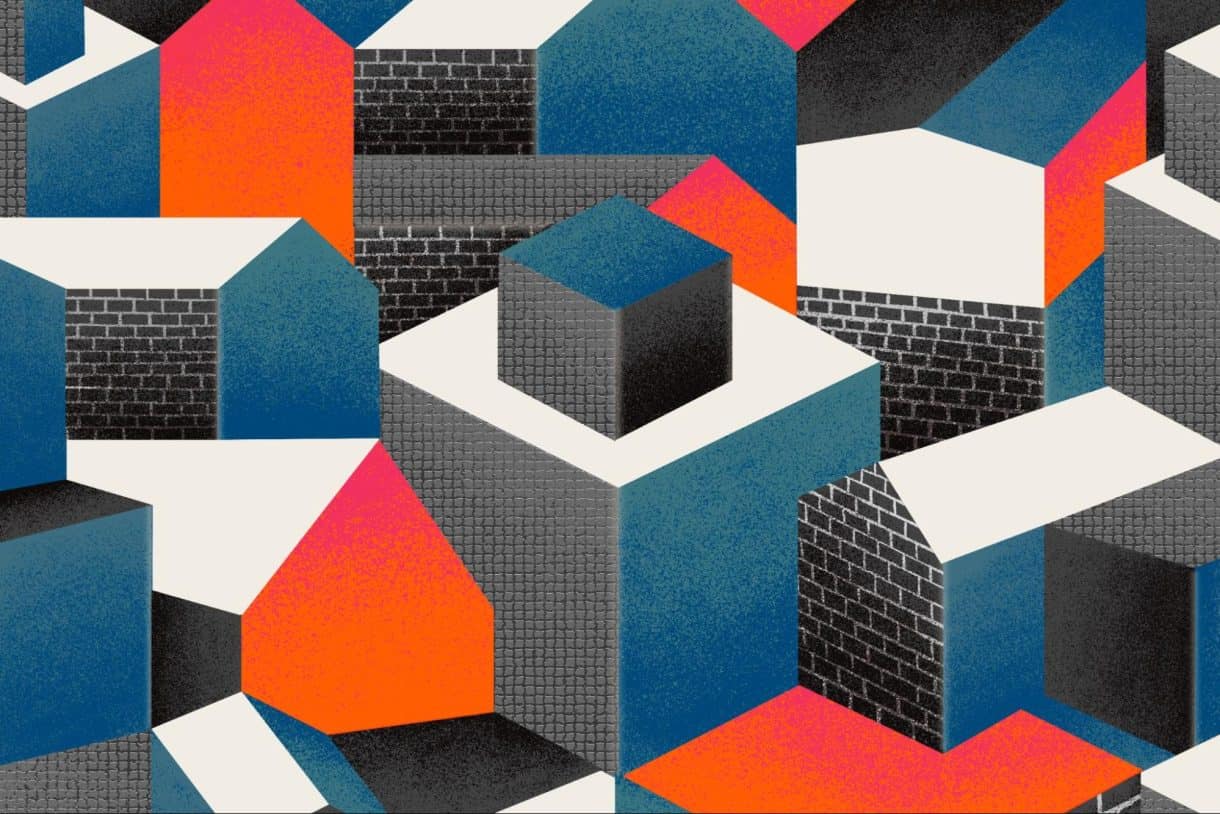
Geometric forms find their origin in the precise and symmetrical shapes derived from mathematics. These are crafted with mathematical accuracy, characterized by straight lines, sharp angles, and well-defined contours. Examples include circles, squares, rectangles, triangles, and polygons.

Artists employing such forms seek to harness the inherent order, structure, and balance they offer, resulting in visually harmonious and precise compositions. By utilizing clean lines and symmetrical arrangements, artists infuse their artwork with a sense of stability, rationality, and mathematical elegance.
Organic Forms

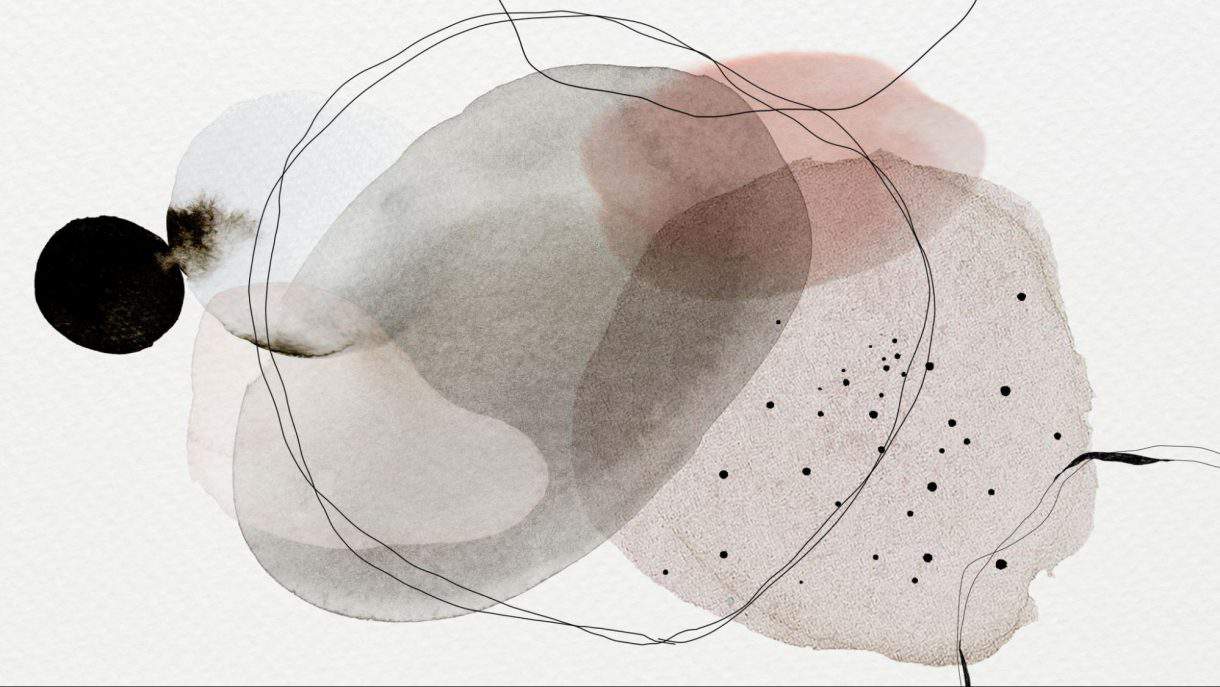
In contrast to the precision of the previous type, organic forms embrace the free-flowing and irregular shapes observed in nature. Inspired by the curvilinear contours and fluidity present in living organisms, plants, landscapes, and natural elements, organic types emanate dynamism, spontaneity, and vitality.

They exhibit irregular lines, graceful curves, and a lack of strict symmetry, mirroring the asymmetry found in nature. Artists using such type aim to evoke fluidity, energy, and the innate beauty of the natural world. By connecting viewers with the organic rhythms of their surroundings, these types create an immersive experience.

Blending Forms

It’s crucial to note that forms in art are not confined solely to one category. Artists often skillfully blend geometric and organic types within their compositions, seamlessly merging the structured precision of geometric shapes with the fluidity and organic aesthetics inspired by nature. This harmonious fusion results in dynamic juxtapositions that stimulate viewers’ visual perception, evoking a range of emotions and interpretations.

Forms in art span a spectrum from geometric precision to organic fluidity. Geometric types draw on mathematical shapes, offering order, stability, and symmetry. In contrast, organic types embrace the irregular, curvilinear contours of the natural world, infusing artwork with vitality and spontaneity.

The Essence of Form in Sculpture: From Tradition to Modernity

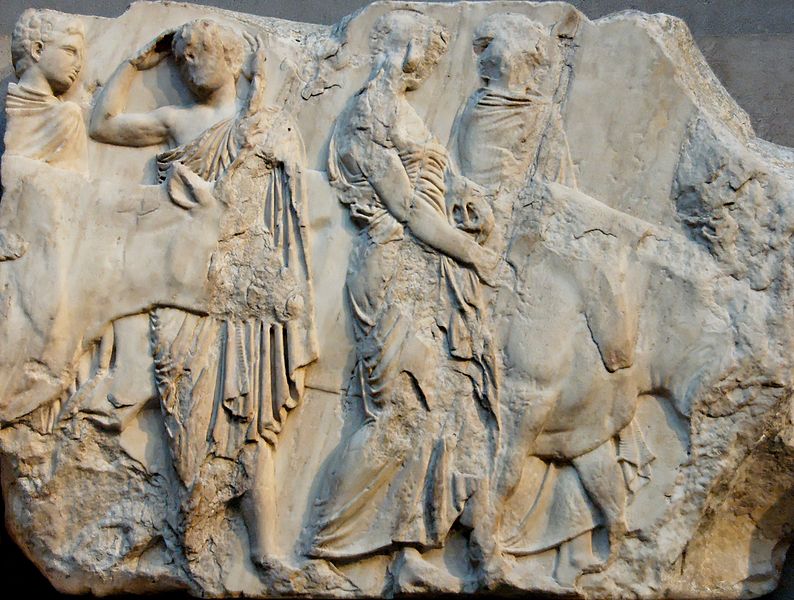
Form in sculpture encompasses various dimensions, materials, and artistic expressions that have evolved throughout history. Sculpture can be broadly classified into two types: relief sculpture and three-dimensional sculpture. Relief sculpture involves elements raised above a flat background, while three-dimensional sculpture possesses depth and volume, retaining its dimensionality regardless of the viewing angle.

The origins of sculpture can be traced back to ancient civilizations, with the Ancient Greeks notably employing both relief and three-dimensional sculpture to depict myths, historical events, and divine figures. Greek sculptors emphasized human forms, portraying gods and heroes with remarkable realism. An iconic example of Ancient Greek sculpture is the Parthenon frieze, a magnificent marble high relief adorning the Parthenon’s naos.
During the Renaissance, artists drew inspiration from the artistic and literary heritage of the Greeks and Romans. This period witnessed the creation of masterpieces like Michelangelo’s David, exemplifying the revival of classical sculptural techniques and ideals.

Unveiling the Secrets of Representing Form in Paintings and Drawings

In the realm of painting and drawing, traditional media offer artists a plethora of techniques to effectively portray the illusion of three-dimensional form. Artists proficient in pencil work employ shading, hatching, and cross-hatching to infuse their artwork with depth and dimensionality.

Moreover, the clever utilization of perspective further enhances the representation of form by incorporating diminishing sizes or employing atmospheric perspective to create a sense of distance and spatial realism.

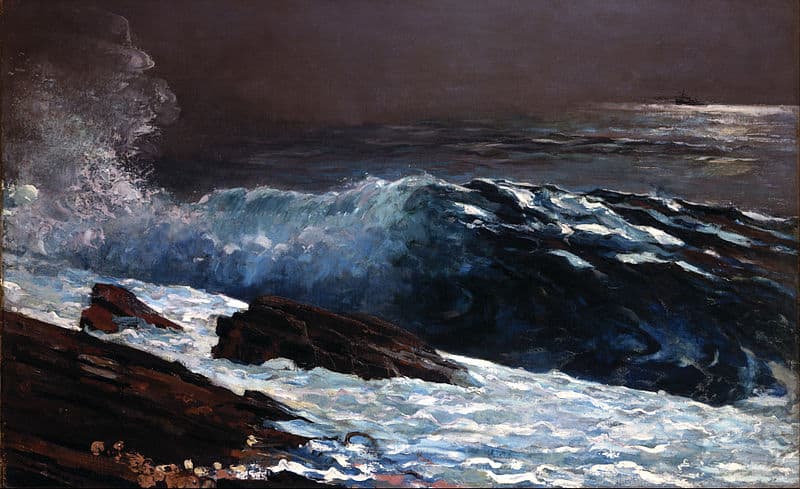
When wielding a paintbrush, artists enjoy a wide range of options to capture the essence of form. Through the strategic combination of dark shadow tones and vibrant highlights, artists can masterfully convey the transitions in value and the interplay of light on three-dimensional objects.

Take, for example, the mesmerizing work of Winslow Homer in “Sunlight on the Coast,” where the artist skillfully renders the form of a wave by meticulously painting curving lines along the barrel and capturing the reflective points on the ripples, lending an incredible sense of realism to the artwork.
The significance of form in art cannot be overstated. When artists grasp the intricacies of form alongside other elements, they gain the power to create captivating and meaningful works of art.

Form plays a vital role in art because it enables the creation of illusions of depth and perspective, enriches composition through the interplay of contrasting elements, and allows for the representation of objects or figures with intricate and lifelike details. Furthermore, it serves as a conduit for evoking emotions, conveying narratives, and instilling a sense of movement within an artwork.

Conclusion

The representation of form in paintings and drawings is a skill that opens up a world of possibilities for artists. By harnessing various techniques such as shading, perspective, and skillful rendering of light and shadow, artists can breathe life into their creations, captivating viewers and eliciting profound emotional responses.

The mastery of form in art, in conjunction with other artistic elements, empowers artists to craft visually striking and thought-provoking artworks that transcend mere representation, evoking a deeper connection between the viewer and the artwork.

Share

By

Unlocking Creativity: Overcoming Art Block

Posted on 16 min read 106 views

Art block is a state of mind that many artists, regardless of their level of experience, encounter at some point in their creative journey. Also known as “creative block,” it’s when an artist feels unable to generate or execute new ideas, resulting in a stagnation of creativity. This condition is not exclusive to the visual arts; musicians, writers, and other creative professionals can also experience a similar phenomenon.

This article aims to delve into the concept of art block, outlining its causes, symptoms, and potential solutions. We’ll also examine some strategies artists use to overcome this frustrating state of affairs, utilizing tables and bullet points for clear, concise presentation.

Understanding Art Block

Art block can be best defined as an inability or struggle to create new, original artwork. This feeling of being ‘stuck’ can last anywhere from a few days to several months, depending on the individual and their circumstances. It is often characterized by a sense of frustration, lack of motivation, or feeling overwhelmed.

Causes of Art Block

There are various factors that contribute to art block. Each artist may experience these differently, but there are some common threads that can be identified:

Pressure and Stress

Pressure and stress are common experiences for artists, often arising from various sources such as deadlines, perfectionism, criticism, failure, self-expectations, and external demands. These factors can significantly impact an artist’s mental and emotional well-being, affecting their creativity and overall artistic output. In this detailed explanation, we will explore the different sources of pressure and stress that artists face, along with their potential consequences.

Sources of Pressure and Stress:

  • Deadlines: Artists often face deadlines set by clients, galleries, or project timelines, which can induce stress as they strive to meet the time constraints. The pressure to complete their work within the given schedule can be overwhelming, accompanied by the fear of failing to meet the deadline or producing work that falls short of their expectations;
  • Perfectionism: Many artists hold themselves to high standards and pursue perfection in their work, which can result in substantial pressure and self-criticism. The relentless pursuit of flawlessness often leads to anxiety and dissatisfaction when their creations do not align with their idealized vision;
  • Fear of Criticism or Failure: Artists frequently find themselves exposed to critique and judgment from others, making them vulnerable to the fear of negative feedback or rejection, which can trigger anxiety and self-doubt. The constant pressure to consistently produce successful artwork further intensifies the fear of failure, adding to the burden of expectations;
  • Self-Expectations: Artists often establish unrealistically high expectations for themselves, motivated by personal goals and aspirations. These self-imposed expectations contribute to a significant amount of pressure, urging artists to continually exceed their past accomplishments. However, failing to meet these self-imposed standards can lead to feelings of disappointment and a sense of inadequacy, undermining their self-confidence and satisfaction with their work;
  • External Demands: Artists frequently encounter external demands from clients, galleries, or the art market, which can encompass specific themes, styles, or commercial considerations. Striking a balance between artistic integrity and meeting these external expectations can be a challenging and stressful task. Artists may find themselves navigating the fine line between expressing their unique artistic vision and fulfilling the requirements imposed by external forces, leading to potential conflicts and pressures in their creative process.

Consequences of Pressure and Stress:

  • Creative Blocks: High levels of pressure and stress have the potential to impede an artist’s creativity and flow, resulting in difficulties generating ideas and experiencing creative blocks. The fear of making mistakes or producing unsatisfactory work can act as a barrier, inhibiting the artist’s ability to explore and experiment with new artistic directions;
  • Mental and Emotional Health Issues: Prolonged exposure to pressure and stress can have detrimental effects on an artist’s mental and emotional well-being, potentially leading to the development of anxiety, depression, or burnout. These conditions can significantly impact their overall quality of life. Additionally, chronic stress can disrupt sleep patterns, impair concentration, and diminish motivation, further exacerbating the challenges artists face in their creative pursuits;
  • Reduced Productivity: Excessive pressure and stress can significantly reduce an artist’s productivity and efficiency, as the constant worry and self-doubt consume valuable mental energy that could be directed toward creative endeavors. This decreased mental capacity often results in a decline in artistic output. Artists may find it challenging to focus on their work or experience difficulties initiating and completing projects, further impeding their productivity and artistic growth.

Physical and Mental Exhaustion

Physical and mental exhaustion can have a significant impact on an artist’s creativity and artistic process. A demanding schedule or lack of adequate rest can lead to fatigue, while mental health issues such as depression or anxiety can contribute to creative blockages.

Effects of Physical and Mental Exhaustion:

  • Fatigue: A demanding schedule, long working hours, or inadequate rest can result in physical exhaustion, which in turn drains an artist’s energy and hampers their ability to engage in the creative process. Mental and physical exhaustion can significantly diminish focus, attention to detail, and overall artistic performance, impacting an artist’s ability to produce their best work;
  • Diminished Cognitive Function: Physical and mental exhaustion has the potential to impair cognitive functions, including memory, concentration, and problem-solving abilities. These cognitive deficits can significantly hinder an artist’s capacity to effectively plan, visualize, and execute their artistic vision. The reduced cognitive functioning can make it challenging for artists to translate their ideas into tangible artworks or navigate complex artistic processes.

Lack of Inspiration

Lack of inspiration is a common challenge that artists may face, often resulting from a sense of exhaustion or feeling trapped in a repetitive pattern. When artists believe they have exhausted their ideas or struggle to find new sources of inspiration, it can hinder their creative process.

Causes of Lack of Inspiration:

  • Creative Exhaustion: Artists can experience creative exhaustion when they engage in an extended period of intense artistic output or work on demanding projects, which can deplete the continuous flow of ideas and result in a temporary lack of inspiration. This depletion of inspiration can hinder an artist’s ability to generate new and innovative ideas for their creative endeavors;
  • Repetition and Routine: Engaging in repetitive patterns or routine artistic practices can contribute to a sense of stagnation and a lack of novelty in an artist’s work. This repetition can lead to artists feeling trapped in their comfort zones, which in turn limits their ability to explore new ideas and venture into different artistic directions. Breaking free from these routines and embracing new approaches is crucial for revitalizing creativity and finding inspiration;
  • External Influences: External factors, including personal challenges, environmental changes, or significant life events, can play a role in causing a lack of inspiration for artists. These external influences can create emotional distress or distractions that divert an artist’s attention, making it difficult to find the necessary mental space for creativity. Managing these external factors and finding ways to address emotional well-being can help artists regain their focus and reconnect with their creative energy.

Lack of Confidence

Lack of confidence is a common obstacle that artists encounter, often characterized by self-doubt and insecurity about their abilities. This lack of confidence can hinder their artistic progress and inhibit them from fully expressing their creativity. Here is a detailed explanation, including bullet points:

Causes of Lack of Confidence:

  • Comparison and Self-Criticism: Comparing themselves to others and engaging in self-criticism, artists often experience feelings of inadequacy or doubts about their talent and skills, which can gradually erode their confidence and impede their artistic growth by focusing on perceived flaws;
  • Fear of Failure or Rejection: The fear of failure or rejection acts as a substantial barrier to artistic confidence, as artists often hesitate to take risks or share their work due to the apprehension of facing criticism or falling short of their own or others’ expectations, inhibiting their artistic growth and self-assurance;
  • Past Negative Experiences: Previous negative experiences, including instances of harsh criticism or rejection, can deeply affect an artist’s confidence, leaving a lasting impact that manifests in self-doubt and a reluctance to showcase oneself and their work to the world, hindering their artistic development and limiting their creative expression.

Dealing with Art Block

Art block can be a challenging hurdle, but it’s not insurmountable. Below are some strategies that artists can implement to overcome this creative roadblock:

1. Taking a Break

Sometimes, the best solution to overcome a mental block or a creative rut is to step away from your work for a while. Taking a break can help clear your mind, replenish your creative energy, and provide you with a fresh perspective when you return to your tasks. In this section, we will explore the benefits of taking a break and provide some practical tips to make the most of your time away from work.

Benefits of Taking a Break:

  • Mental Refreshment: Taking a break allows your mind to rest and recharge. It helps you escape from the continuous thinking and problem-solving associated with creative work. When you return, you’ll find yourself more focused, alert, and able to approach your tasks with renewed vigor;
  • Stress Reduction: Working on creative projects can be mentally demanding, leading to increased stress levels. Stepping away from work for a while helps to reduce stress, allowing you to relax and restore your overall well-being;
  • Enhanced Creativity: Breaks can ignite your creativity by exposing you to new experiences and ideas. Engaging in different activities or simply giving your mind some free time can stimulate fresh thinking and novel perspectives, leading to innovative solutions and ideas;
  • Improved Productivity: Counterintuitive as it may seem, taking breaks can actually enhance productivity. By allowing yourself some time off, you prevent burnout and avoid getting stuck in a mental rut. When you return to work, you’ll be more focused and efficient, resulting in increased productivity.

Tips for Making the Most of Your Breaks

Schedule Breaks
Set specific intervals for taking breaks during your workday. Aim for a short break every hour or a longer break every two to three hours. Scheduling breaks ensures you allocate dedicated time for relaxation and prevents work from consuming your entire day.
Engage in Physical ActivityIncorporate physical activity into your breaks, as exercise has been shown to boost creativity and improve mood. Take a walk outside, do some stretching exercises, or engage in a quick workout session to get your blood flowing and rejuvenate your mind.
Disconnect from WorkDuring your break, disconnect from work-related activities. Avoid checking emails, responding to messages, or thinking about your projects. Instead, focus on activities that you find enjoyable and that help you relax and unwind.
Practice Mindfulness or MeditationConsider using your break time to practice mindfulness or meditation techniques. These practices can help calm your mind, reduce stress, and increase your ability to concentrate when you return to work.
Pursue Non-Work-related InterestsEngage in hobbies or activities that are completely unrelated to your work. This can include reading a book, listening to music, gardening, cooking, playing a musical instrument, or any other leisure activity that brings you joy and relaxation.

2. Seeking Inspiration

In the creative process, seeking inspiration is a vital step that fuels innovation and new ideas. By actively engaging with the world around us and exposing ourselves to diverse experiences, we open doors to fresh perspectives and creative breakthroughs. Here are three key benefits of seeking inspiration:

  • Sparking Creativity: Seeking inspiration from various sources stimulates your creative thinking and imagination. It exposes you to new ideas, perspectives, and concepts that can ignite fresh inspiration and innovation. By exploring different art forms, visiting museums, or immersing yourself in nature, you can tap into your creative potential and generate unique ideas for your own projects;
  • Broadening Perspectives: Seeking inspiration in new places expands your horizons and broadens your understanding of the world. Whether it’s through reading books from diverse genres, exploring different art styles, or observing nature’s intricacies, you gain exposure to different cultures, viewpoints, and ways of expression. This broader perspective can enhance your creative output by bringing in fresh insights and allowing you to connect ideas from different disciplines;
  • Overcoming Creative Blocks: Inspiration serves as a powerful tool to overcome creative blocks and reignite your passion for your artistic pursuits. When you find yourself stuck or lacking motivation, seeking inspiration can provide a much-needed boost. Exposing yourself to the works of other artists, immersing yourself in different environments, or experimenting with new techniques can break the monotony and help you find renewed inspiration and enthusiasm for your creative projects.

Tips for Seeking Inspiration

Visiting MuseumsMuseums are treasure troves of inspiration, housing a wide range of artistic and historical artifacts. Explore different exhibits, taking your time to observe and analyze intricate details, colors, textures, and forms. Consider how these elements can be incorporated into your own creative endeavors. Document your thoughts, sketches, and impressions in a notebook.
Reading BooksBooks offer a wealth of knowledge, ideas, and narratives that can spark your imagination. Choose genres and authors outside your usual preferences to broaden your horizons. Pay attention to themes, characters, settings, and writing styles. Reflect on how these elements can influence your own creative projects.
Taking Walks in NatureNature provides abundant inspiration for artists, writers, and thinkers. Take a stroll in parks, gardens, or natural landscapes. Observe sights, sounds, and textures around you. Notice the play of light and shadows, colors of flowers and leaves, and patterns in natural structures. Capture your observations through sketches, photographs, or written descriptions.
Exploring New Art Styles or MediumsStep out of your comfort zone and experiment with different art styles or mediums. Try sculpture, printmaking, abstract or surrealistic styles if you usually work with painting or realistic art. Attend workshops, join art classes, or watch online tutorials to learn new techniques and gain exposure to diverse artistic practices.

3. Setting Realistic Goals

When facing a large project or creative endeavor, it can be overwhelming to tackle everything at once. Setting realistic and achievable goals can alleviate the pressure and stress associated with such projects. By breaking down the task into smaller, manageable parts, you can maintain focus, track progress, and maintain a sense of accomplishment along the way. In this section, we will explore the benefits of setting realistic goals and provide practical tips for effective goal-setting.

Benefits of Setting Realistic Goals:

  • Reduced Overwhelm: Breaking down a large project into smaller, realistic goals helps to reduce overwhelm. It allows you to focus on one task at a time, making the project more manageable and less daunting;
  • Increased Motivation: Setting achievable goals provides a sense of direction and purpose. As you accomplish each goal, you experience a boost in motivation, encouraging you to continue working toward the larger project;
  • Clearer Focus: Setting realistic goals helps you prioritize tasks and stay focused on what needs to be done. It helps you avoid getting sidetracked or wasting time on non-essential activities;
  • Progress Tracking: Breaking down a project into smaller goals allows you to track your progress more effectively. This tracking provides a sense of satisfaction as you witness your advancement and see tangible results.

Tips for Effective Goal-Setting

Define Clear ObjectivesClearly define what you want to achieve with each goal. Make sure they are specific, measurable, achievable, relevant, and time-bound (SMART goals). This clarity ensures that you have a clear vision of what success looks like.
Break Down the ProjectAnalyze the larger project and break it down into smaller, manageable tasks. Each task should contribute to the overall goal and have a clear purpose within the project.
Prioritize TasksDetermine the order of importance for each goal or task. Identify which tasks need to be completed first and which can be tackled later. Prioritization helps you allocate your time and resources efficiently.
Set Realistic TimelinesEstimate the time required for each goal and task. Be realistic in your assessments to avoid setting yourself up for failure or unnecessary stress. Adjust your timelines based on your available resources and constraints.
Celebrate MilestonesAcknowledge and celebrate your achievements along the way. When you accomplish a goal or reach a milestone, take a moment to acknowledge your progress and reward yourself. Celebrating milestones keeps you motivated and energized throughout the project.

4. Practicing Self-Care

When it comes to overcoming creative blocks and maintaining optimal productivity, taking care of your physical and mental health is essential. Practicing self-care ensures that you have the energy, focus, and clarity needed to tackle creative challenges. In this section, we will explore the importance of self-care and provide practical tips for incorporating self-care practices into your routine.

Benefits of Practicing Self-Care:

  • Enhanced Well-being: Self-care promotes overall well-being by prioritizing your physical, mental, and emotional health. When you take care of yourself, you feel better, have more energy, and experience improved mood and resilience;
  • Increased Productivity: Engaging in self-care activities can enhance your productivity. When you are well-rested, nourished, and in a positive state of mind, you are better equipped to concentrate, think creatively, and tackle tasks efficiently;
  • Stress Reduction: Self-care activities help manage and reduce stress levels. By taking time to relax, recharge, and engage in activities that bring you joy, you can alleviate stress and prevent burnout;
  • Improved Mental Clarity: Self-care practices such as mindfulness and meditation can help calm the mind, reduce anxiety, and improve mental clarity. This allows you to approach creative tasks with a focused and clear mindset.

Tips for Practicing Self-Care

Prioritize SleepEnsure you are getting enough sleep to allow your mind and body to rest and rejuvenate. Establish a consistent sleep schedule and create a relaxing bedtime routine to promote better sleep quality.
Maintain a Balanced DietFuel your body with a nutritious and balanced diet. Eat a variety of whole foods, including fruits, vegetables, lean proteins, and whole grains. Stay hydrated by drinking enough water throughout the day.
Engage in Regular ExerciseIncorporate physical activity into your routine to boost your energy levels, reduce stress, and enhance your overall well-being. Find activities you enjoy, such as walking, jogging, yoga, or dancing, and aim for regular exercise sessions.
Practice Mindfulness or MeditationSet aside dedicated time for mindfulness or meditation practices. These techniques help you relax, reduce stress, improve focus, and enhance creativity. Start with a few minutes each day and gradually increase the duration.

5. Connecting with Other Artists

Joining a community of artists can be highly beneficial for your creative journey. Connecting with fellow artists provides support, encouragement, and opportunities for collaboration. It allows you to share ideas, gain new perspectives, and grow as a creative individual. In this section, we will delve into the importance of connecting with other artists and provide practical tips for building and nurturing these connections.

Benefits of Connecting with Other Artists:

  • Support and Encouragement: Fellow artists can provide valuable support and encouragement during both challenging and successful times. They understand the ups and downs of the creative process and can offer advice, feedback, and a sense of camaraderie;
  • Fresh Perspectives: Interacting with other artists exposes you to different artistic styles, techniques, and ideas. This exposure can inspire and broaden your own artistic vision, helping you think outside the box and explore new possibilities;
  • Collaboration Opportunities: Building connections with other artists opens doors to potential collaborations. Collaborative projects can spark creativity, foster innovation, and result in unique and exciting artistic endeavors;
  • Networking and Exposure: Engaging with a community of artists can expand your network and increase your visibility within the art world. Through connections, you may discover exhibition opportunities, workshops, and events that can further enhance your artistic growth and exposure.

Tips for Connecting with Other Artists

Attend Art Events and WorkshopsParticipate in art exhibitions, gallery openings, workshops, and art-related events in your local area. These gatherings provide opportunities to meet and connect with fellow artists who share your passion.
Join Art Associations or GroupsExplore art associations, collectives, or online forums dedicated to artists in your field or genre. Joining these communities allows you to engage in discussions, seek advice, and connect with like-minded individuals.
Participate in Art Challenges or Collaborative ProjectsEngage in art challenges or collaborative projects where artists come together to create and share their work. These initiatives foster connection and collaboration among artists, providing a platform to exchange ideas and showcase your talents.
Utilize Social Media PlatformsLeverage social media platforms such as Instagram, Facebook, or Twitter to connect with artists globally. Engage with their work, join art communities or groups, and participate in conversations to expand your network.
Attend Artist Retreats or ResidenciesConsider attending artist retreats or residencies, which offer immersive experiences where artists can connect, create, and exchange ideas in a supportive and inspiring environment.

6. Creating an Art Block Journal

A well-structured schedule and a dedicated journal can be powerful tools for overcoming art block. This section provides guidance on creating a schedule and journal specifically designed to help artists navigate and overcome art block.

Benefits of creating an art block journal:

  • Self-Reflection and Insight: Keeping a journal for art blocks allows you to engage in regular self-reflection. By writing about your challenges, victories, and emotions related to art block, you gain valuable insights into your creative process, identify patterns, and uncover potential solutions;
  • Clarity and Focus: Journaling provides a space to clarify your thoughts and feelings about art block. By putting your thoughts onto paper, you can gain a clearer understanding of the specific issues you’re facing, enabling you to focus your energy on overcoming them and finding new avenues for creative expression;
  • Motivation and Accountability: Maintaining a journal dedicated to art block serves as a source of motivation and accountability. When you write down your artistic goals, track your progress, and celebrate small victories, you create a record of your growth as an artist. This documentation fosters motivation, encourages perseverance, and holds you accountable to your creative aspirations.

Tips for Creating an Art Block Journal

Choose a JournalSelect a journal or notebook dedicated to overcoming art block. Opt for one that resonates with your personal style and encourages creativity.
Daily ReflectionSet aside time each day to reflect on your artistic journey. Write about your challenges, victories, and emotions related to art block. This reflective practice can provide insights and help you uncover patterns.
Art Prompts and ExercisesIncorporate art prompts or exercises in your journal to stimulate creativity. These can include sketching exercises, color experiments, or writing prompts related to your artistic process.
Inspirational Collage or Visual CollectionCreate a collage or visual collection within your journal. Include images, quotes, or artworks that inspire you and evoke positive emotions. Refer to this collection when you need a boost of inspiration.
Artistic Goals and Progress TrackingWrite down your artistic goals and track your progress in your journal. This helps you stay focused and motivated, while also providing a record of your growth as an artist.
Self-Reflection and Art Block SolutionsRegularly explore the root causes of your art block in your journal. Reflect on potential solutions or strategies to overcome these challenges. Use your journal as a space for brainstorming and problem-solving.
Celebrate Small VictoriesAcknowledge and celebrate your achievements, no matter how small, within your journal. This positive reinforcement encourages a sense of accomplishment and fuels your artistic journey.

Conclusion

An art block is more than just a hurdle in the creative process. It can also serve as an opportunity for artists to take a step back, reassess their work, and potentially discover new and exciting aspects of their creativity. Embracing this perspective can transform the daunting concept of art block into a growth experience, ultimately leading to a more resilient and adaptable creative practice.

Share

By

What Are Analogous Colors in Art: Vibrant Harmonies

Posted on 12 min read 57 views

Designing great visuals involves a lot more than what meets the eye. It’s imperative to recognize the crucial role that color plays in daily online and home designs. After all, they have a profound impact on our lives, even if we are not immediately aware. But how do designers determine which ones to use?

The entire process must commence with comprehending color theory and how colors are linked. As such, what exactly are harmonious hues, and how do they function?

In this article, we’ll explore the fascinating world of analogous colors and their significance in design. We’ll dive into the mechanics of similar shade schemes, their impact on our emotions and perceptions, and how designers use them to create stunning visual compositions.

Exploring Color Theory: A Concise Overview

During our educational years, we were introduced to the fundamentals of color, equipping us with knowledge about primary, secondary, and tertiary cohesive tones. However, the theory expands beyond these elementary concepts by organizing them within a visually structured framework called the color wheel.

In contemporary times, various models have emerged, adhering to both traditional and modern principles, providing us with multiple perspectives on the intricacies of color.

Warm Tints vs. Cool Shades: A Comparative Analysis

To comprehend the nuances of the theory, it is essential to distinguish between warm and cool colors. The table below presents a comprehensive comparison, outlining the key characteristics that define each category:

CategoryWarm ColorsCool Colors
DefinitionCorresponding hues that evoke warmth, energy, and vitalityParallel tones that exude calmness, serenity, and tranquility
ExamplesRed, orange, yellowBlue, green, purple
Psychological EffectStimulating, vibrant, and upliftingRelaxing, soothing, and refreshing
Perceived TemperatureAppear visually warmAppear visually cool
Common AssociationsSun, fire, autumnWater, ice, winter
ApplicationOften used to create focal points, evoke excitementFrequently employed for creating serene or peaceful ambiances

By understanding the contrasting attributes of warm and cool colors, designers can strategically utilize them to elicit specific emotional responses and set desired atmospheres in their creations.

Exploring The Wheel: A Journey through Traditional and Modern Models

Color wheels serve as fundamental tools in understanding the intricacies of color. Let’s delve into the distinctions between traditional and modern wheels, uncovering their unique features and applications.

Traditional Wheel: RYB Model

The traditional wheel, based on our foundational knowledge from school, follows the RYB (red, yellow, blue) color model. Within this system, the primary red, yellow, and blue can be combined to form secondary shades and tints such as orange, green, and purple.

Additionally, intermediate or tertiary colors emerge through the mixing of paint pigments, including blue-green, yellow-green, red-purple, blue-purple, yellow-orange, and red-orange. This model primarily caters to traditional artists and painters.

Interesting Fact: The RYB model dates back to the 18th century when it was popularized by artists such as Moses Harris and Johann Wolfgang von Goethe.

Modern Wheel: RGB and CMYK Models

The modern wheel, embraced by graphic artists and web designers, revolves around how light interacts to produce different colors. This model is also applicable to television and computer screens.

RGB Model

The RGB (red, green, blue) model is the foundation of the modern wheel. It employs numeric codes to represent various pigments. Each color has a hexadecimal code (hex code) that identifies it and provides a breakdown of the intensities of red, green, and blue within the composition.

Interesting Fact: The RGB model is widely used in digital displays, including screens, monitors, and projectors, to produce a vast spectrum of pigments by varying the intensity of red, green, and blue light.

CMYK Model

The CMYK (cyan, magenta, yellow, key/black) model is primarily used in printing and reproduction. Unlike RGB, which deals with light, CMYK focuses on the combination of ink pigments.

In this model, colors are created by subtracting different percentages of cyan, magenta, yellow, and black ink from the white paper. By varying the amounts of each ink, a wide range of hues can be achieved.

Interesting Fact: The CMYK model is essential for printing as it accurately represents tones in the physical medium and allows for precise color reproduction on paper. It is commonly used in industries such as publishing, graphic design, and printing presses.

Exploring Color Combinations: Unveiling the Secrets

To explore the world of color combinations, one must first grasp the principles of the theory and the wheel. Whether you’re a graphic artist or designer, this knowledge empowers you to create visually stunning designs.

The crux of the idea lies in understanding how colors interact and are positioned on the wheel, which acts as a guide for discovering different combinations. As you delve into this subject, you’ll uncover intriguing revelations and opportunities for creativity.

Here are a few facts about color combinations:

  • The concept of the wheel can be traced back to the 18th century when Sir Isaac Newton developed the first circular representation of colors;
  • The wheel is a powerful tool that aids not only artists and designers but also psychologists and marketers in understanding the emotional and psychological impact of colors.

Now, let’s explore some distinct combinations that go beyond the commonly known analogous ones:

  • Complementary: These combinations are positioned at opposite ends of the wheel and offer a striking contrast that catches the eye. They blend harmoniously and create a vibrant visual impact;
  • Monochromatic: Derived from a single tone, monochromatic schemes leverage different tones, tints, and shades to create a sophisticated and unified look. This approach allows for nuanced variations within a specific family;
  • Triadic: These are composed of three hues forming an equilateral triangle on the wheel. This combination offers a dynamic contrast while maintaining a balanced and visually pleasing arrangement;
  • Tetradic: Expanding the palette, tetradic combinations utilize four main colors, often forming a rectangular shape on the wheel. Within this scheme, multiple sets of complementary shades and tones interact, offering a rich and diverse visual experience.

Within the wheel’s expansive domain lie an array of shades, tints, tones, and hues, exponentially expanding the possibilities for color selection. Additionally, the wheel reveals an interesting aspect known as color temperature. Here, the cooler shades such as blue and green occupy one half of the wheel, while the warmer ones like red, orange, and yellow occupy the other half.

Exploring Key Color Wheel Terminology

To further navigate the intricacies of combinations, you need to familiarize yourself with these essential terms:

  • Hue: Hue serves as an alternate term that refers to the attribute that distinguishes one color from another on the wheel;
  • Shade: Shades result from the addition of black, creating darker and deeper variations;
  • Tint: Tints arise from the addition of white to a hue, resulting in lighter and softer versions;
  • Tone: Tones encompass colors with similar hue and lightness, yet varying degrees of saturation, lending subtlety and depth to various schemes;
  • Saturation: Saturation denotes the purity or intensity. Colors with high saturation appear vivid and bold, while those with low saturation appear muted or pastel-like.

By understanding the relationships between colors and leveraging the vast spectrum of shades, tints, tones, and hues, you can create captivating designs that resonate with your audience on a visual and emotional level.

Unlocking Serene Palettes: Exploring Analogous Colors

Have you ever wondered what makes certain combinations work well together? Unlike complementary colors, which contrast with each other, analogous colors sit side by side on the wheel. Typically, this combination consists of three main elements: the main, supporting, and accent color.

Analogous colors share similar qualities and traits, creating a harmonious and pleasing effect. They don’t stand out as much as complementary ones but still offer an appealing look. In fact, the term “analogous” refers to two things with similar features or functions. Monochromatic and analogous colors share this characteristic.

Take the example of blue, blue-green, and green, all adjacent on the wheel. These three colors form an analogous scheme, with each one sharing similarities and blending seamlessly together. The result is a serene and calming effect, perfect for creating a tranquil atmosphere in a bedroom or bathroom.

The Essence of Analogous Colors: Harmonious Combinations

Analogous colors, a fundamental concept in the theory, open the door to captivating combinations. By selecting three options that lie adjacent to each other on the wheel, you can create visually pleasing and harmonious palettes.

Basically, 12 primary combinations stand out, each consisting of three colors that form a cohesive unit on the wheel. 

Let’s take a closer look at these captivating combinations:

Analogous CombinationColors
Combination 1Red, Red-Orange, Orange
Combination 2Yellow-Orange, Yellow, Yellow-Green
Combination 3Green, Blue-Green, Blue
Combination 4Blue-Violet, Violet, Red-Violet

These combinations offer a wide range of possibilities for artistic expression. Whether you are designing a website, creating artwork, or selecting a scheme for interior design, exploring this world of tones will guide you toward visually captivating and balanced compositions.

To better understand analogous combinations, let’s take a look at the following table showcasing some popular analogous colors, along with their hex code, CMYK code, and RGB code.

ShadeHex CodeCMYK Color CodeRGB Color Code
Red#ff00000, 100, 100, 0255, 0, 0
Orange#ff80000, 50, 100, 0255, 128, 0
Yellow#ffff000, 0, 100, 0255, 255, 0
Yellow-green#9acd3225, 0, 76, 20154, 205, 50
Green#00ff00100, 0, 100, 00, 255, 0
Blue-green#0d98ba93, 18, 0, 2713, 152, 186
Blue#0000ff100, 100, 0, 00, 0, 255
Blue-violet#8a2be239, 81, 0, 11138, 43, 226
Violet#ee82ee0, 45, 0, 7238, 130, 238
Red-violet#c715850, 89, 33, 22199, 21, 133

Harmony in Art and Nature: Exploring Analogous Combinations

These combinations have been a staple in both art and nature for centuries, providing a harmonious and visually appealing aesthetic. In art, analogous colors have been used to convey emotions and create a recognizable connection with viewers. For instance, Monet’s use of a green analogous combination in his Water Lily Pond (1899) painting has created a sense of energy and movement, while Van Gogh’s Sunflowers (1888) painting uses yellow, orange, and yellow-orange colors to evoke feelings of warmth and happiness.

Similarly, nature offers endless examples of analogous color combinations that inspire artists and designers. Leaves, flowers, and other natural elements often display the combinations, creating beautiful and serene compositions. Take, for example, the various shades of green, yellow, and yellow-green that can be found in leaves. Such combinations can be created using primary and secondary colors, and by mixing them in between. The resulting options will share a common hue and create a sense of balance and harmony.

By using them in art or design, one can create a cohesive and pleasing visual experience. Whether in nature or in art, such combinations are a timeless and effective way to convey emotions, meaning, and tone.

The Significance of Analogous Colors: A Palette of Meaning

Analogous colors have a deeper meaning beyond their aesthetics. These schemes have been used to evoke emotions and create specific associations in the minds of viewers. Different colors can affect how we feel, both mentally and physically. Their use in various designs has become increasingly popular due to their natural occurrence and their ability to create pleasing compositions.

Colors are used in different settings to elicit specific emotions and associations, such as in marketing, advertising, and movies. Such combinations can also create different emotional responses, depending on the hues used. For example, warmer combinations that contain red, red-orange, and orange hues can be more stimulating and energizing, while calmer combinations will include blue, blue-green, and green schemes.

These combinations can also be associated with nature and the environment, such as greens, yellows, and yellow-greens. These combinations can bring about a sense of peace and calmness, similar to the feeling of being surrounded by nature.

Ultimately, the meaning behind analogous colors lies in their ability to create specific emotions and experiences. The scheme you choose will depend on the desired outcome and the emotional response you wish to evoke in your audience.

Unlocking the Power of Analogous Colors: A Guide to Creative Utilization

Analogous colors serve as a versatile tool in the vast realm of design, finding their application across various creative endeavors. From website graphics and advertising campaigns to interior design and even film production, the harmonious allure of analogous schemes can be harnessed to achieve a sense of balance and coherence within a visual composition.

To effectively utilize analogous colors, consider the following steps:

  • Embrace Tonal Contrast: Opt for analogous schemes that exhibit discernible tonal contrast, allowing each tone to be easily distinguished. This ensures a clear visual hierarchy within your design;
  • Incorporate Neutrals: Introduce shades of gray, black, and white into your theme. These neutral tones act as grounding elements, enhancing the overall harmony and providing a backdrop that allows the analogous colors to shine;
  • Selecting Colors: There are various methods to choose combinations. You can explore the color wheel manually or make use of numerous online tools and resources available. Start by selecting your main color, which should have its own unique hex code to identify it, and then explore the best combinations that resonate with your design vision;
  • Design Intent: Remember that the choice of scheme is subjective and dependent on the message you wish to convey or the emotional response you aim to evoke. Consider the context of your design and align it with the intended purpose, whether it be a calming wellness spa or a vibrant fashion brand;
  • Composition Balance: Strategically choose a dominant color to take center stage. For instance, in a red, red-orange, and orange combination, consider highlighting the red-orange shade as the focal point, with the other two options serving as accents. This approach ensures a well-balanced visual aesthetic;
  • Energizing Alternatives: If you seek a more energetic and dynamic look, contrasting or complementary schemes may be worth exploring. Analogous colors, on the other hand, offer a harmonizing and calming effect, making them ideal for wellness-related businesses, bedroom designs, or any context that prioritizes a sense of balance and tranquility;
  • The 60:30:10 Rule: When incorporating three or more colors in your design, follow the widely-used 60:30:10 rule. This guideline divides color usage to maintain a visual equilibrium and prevent overwhelming the composition. The main one occupies 60 percent of the design, the first accent color comprises 30 percent, and the remaining 10 percent serves as vibrant pops.

By harnessing the potential of analogous colors and utilizing them in a thoughtful and intentional manner, you can unlock captivating visual harmonies and bring your creative visions to life.

Applications of Analogous Colors

Such colors are mainly used in various design fields, creating visual impact and cohesiveness. They can be effectively employed in:

  • Web design: Enhancing user experience and creating visually appealing websites;
  • Graphic design: Adding aesthetic appeal and message clarity to digital and print materials;
  • UI/UX design: Guiding user attention and creating a seamless interaction;
  • Branding and logos: Shaping brand identity and creating memorable visuals;
  • Fashion design: Creating harmonious and pleasing clothing collections;
  • Photography and visual arts: Evoking emotions and capturing captivating imagery;
  • Packaging design: Communicating brand attributes and differentiating products;
  • Stationery and print design: Creating visually appealing and cohesive materials;
  • Artistic expression: Conveying emotions and pushing creative boundaries.

Analogous colors provide a foundation for visual harmony, storytelling, and aesthetic coherence across diverse contexts, allowing designers and artists to unleash their creativity and captivate audiences.

Top 6 Tips for Using Analogous Colors

To create the best schemes and make the most of their potential, consider the following tips:

  • Be mindful of your choices: Select tones and shades that align with the desired outcome of your design. Each option carries its own meaning and impact, so choose wisely to achieve the intended effect;
  • Maintain balance: While analogous colors work well together, it’s important to avoid overusing a particular option. Aim for a balanced distribution within your design to ensure visual harmony and prevent any one option from overpowering the others;
  • Experiment with different hues: Explore the various possibilities by experimenting with different tints, shades, and tones. Lighter hues can create a minimalistic and soft look, while darker shades bring a bolder and more dramatic feel to your design;
  • Incorporate contrast: While such schemes are harmonious, introducing contrast through textures and shapes can add visual interest and depth to your design. Consider using contrasting elements to create focal points and enhance the overall visual appeal;
  • Use tools and resources: Utilize wheels or online palette generators, to help you identify and combine analogous options effectively. These resources can assist you in finding the perfect combinations that complement each other harmoniously;
  • Consider the context: Keep in mind the context in which your design will be used. Different industries, purposes, and target audiences may require specific choices. Tailor your scheme to align with the message and aesthetic you wish to convey.

By understanding these tips and applying them to your designs, you can harness the power of such colors to create cohesive, visually appealing compositions.

FAQ 

How do analogous colors create harmony?

While positioned closely on the wheel, they share traits that result in a harmonious effect when combined. Their inherent relationship and proximity on the spectrum contribute to the pleasing visual harmony they create.

Are analogous colors always warm or cool?

They can be warm or cool depending on the chosen main color. Blues, greens, or purples as the main hue create a cool analogous scheme, while reds, oranges, or yellows produce a warm undertone.

Can brown be used in an analogous color scheme?

Brown, though not directly on the wheel, can be incorporated by using shades of red and yellow. When mixed together, they contribute to the overall harmony of a brown analogous scheme.

Can I use more than three colors in the scheme?

While three colors are typical in such a scheme, additional colors can be introduced if desired. It’s important to maintain harmony by using variations of the main colors or incorporating neutrals to achieve a balanced composition.

Are analogous color schemes suitable for all design purposes?

The schemes are versatile but their suitability depends on the desired effect and message. They work well for creating a harmonious and calming atmosphere, making them suitable for interior design, nature-inspired themes, and certain branding applications. However, for high-contrast or vibrant designs, complementary or triadic schemes may be more appropriate.

Share

By

The Role and Meaning of Subject Matter in Artistic Expression

Posted on 4 min read 90 views

Art, an integral facet of human expression, serves as a portal into an artist’s mind, emotions, and perspectives. The linchpin of this artistic communication is the concept known as ‘subject matter.’ This article will explore the meaning and significance of the subject matter in art.

What is Subject Matter in Art?

In its most fundamental form, the subject matter refers to the content or theme of an artwork. It’s the narrative, the central idea, or the very message that artists wish to convey through their work. This can vary extensively, from concrete entities to abstract notions. Here are some examples:

Concrete Subject Matter

Concrete Subject Matter refers to artistic works such as portraits, landscapes, or still life that depict easily identifiable content. This type of artwork focuses on capturing the physical appearance of specific subjects, allowing viewers to readily recognize and connect with the depicted objects or scenes. The following bullet points further illustrate the characteristics of Concrete Subject Matter:

  • Portraits: Concrete Subject Matter in portrait art involves capturing the likeness, expressions, and unique features of individuals or groups, conveying their personalities and emotions;
  • Landscapes: Artists working with Concrete Subject Matter in landscapes depict natural scenery, emphasizing recognizable elements and details to evoke a sense of place and elicit emotional responses;
  • Still life: Still life compositions focus on arranging inanimate objects such as flowers, fruits, utensils, or everyday items deliberately, exploring themes like symbolism, aesthetics, or cultural significance;
  • Easily identifiable content: Concrete Subject Matter art is characterized by easily recognizable and relatable subjects or objects that closely resemble their real-life appearance.

Abstract Subject Matter

The abstract subject matter refers to emotions, philosophies, or conceptual ideas that may not have visually obvious content. It involves exploring intangible and complex concepts that are not easily represented through concrete visual elements. Here are some key points to consider:

  • Emotions: Abstract subject matter often revolves around exploring and expressing various emotions such as love, joy, sorrow, or fear. The focus is on evoking emotional responses rather than depicting tangible objects or scenes;
  • Conceptual ideas: Abstract subject matter involves delving into abstract concepts and ideas that may not be easily perceivable through the senses. Artists use symbolism, metaphor, or allegory to represent these ideas visually or through other artistic means;
  • Interpretation and personal experience: Abstract subject matter encourages subjective interpretation and personal experience. It allows viewers or observers to bring their own emotions, philosophies, and conceptual ideas to the artwork, adding layers of meaning and creating unique individual responses.

Consider the famous ‘Mona Lisa’ by Leonardo da Vinci. The primary subject matter here is Mona Lisa herself. However, in Picasso’s ‘Guernica,’ the subject matter is the terror of war, a conceptual idea embodied in a physical form.

The subject matter can be both physical and conceptual, allowing artists to communicate complex and multilayered messages. Artists often employ symbols, metaphors, and allegories, adding layers of depth to their work and encouraging viewers to engage with the piece on multiple levels.

Importance of Subject Matter in Art

Understanding the subject matter is pivotal for fully appreciating an artwork. It provides insight into the artist’s intent and the narrative they wish to convey, fostering a deeper connection between the viewer and the artwork.

Categories of Subject Matter in Art

The subject matter in art can be broadly categorized into two: representational and non-representational.

TypeDefinitionExamples
Representational Subject MatterThis refers to artwork that represents real, identifiable elements from the world.Portraits, landscapes, still life
Non-representational Subject MatterThis refers to artwork that doesn’t depict tangible objects or scenes. It is typically found in abstract and conceptual art forms.Emotions, experiences, ideas

Subject Matter and Artistic Styles

The subject matter is not restricted to a particular style of art but is used across various forms and styles. Let’s explore how different artistic styles approach the subject matter:

Artistic StyleApproach to Subject Matter
RealismRealism aims to depict subject matter truthfully, without artificiality, or avoidance of the unpleasant aspects of life.
ImpressionismImpressionism seeks to capture the sensory effects of the subject matter rather than its details. The emphasis is on the overall impression produced by a scene or object.
SurrealismSurrealism presents subject matter in an irrational, dream-like manner, tapping into the unconscious mind.
Abstract ArtAbstract art uses shapes, colors, and forms to represent the subject matter, which may not resemble the real world.

Interpreting Subject Matter in Art

The interpretation of the subject matter can be as diverse as the viewers themselves. Different individuals may perceive the subject matter in unique ways based on their experiences, cultural background, personal beliefs, and emotional state. This diversity in interpretation adds to the richness and dynamism of art, making it a universal language that transcends boundaries.

Considerations when Choosing Subject Matter

When artists decide on the subject matter for their work, they typically consider:

  • Personal Interest: Artists often choose subject matters they are passionate about, which can enhance the emotional depth of their work;
  • Audience: The intended audience can influence the choice of subject matter, especially in commercial art;
  • Message: The message or theme the artist wants to convey will significantly dictate the subject matter;
  • Artistic Style: The artist’s preferred style can influence the choice of the subject matter. For instance, a surrealist artist might lean towards dream-like or fantastical subjects.

Conclusion

The subject matter is an integral component of art, serving as the primary channel for conveying the artist’s intent and message. It offers viewers a window into the artist’s mind and the narrative they wish to share. Whether concrete or abstract, tangible or conceptual, the subject matter in art is as diverse as the artists themselves, adding depth, meaning, and richness to their work.

Share

By

ArtPrize 2016: A Retrospective on the Grand Rapids’ Artistic Event

Posted on 4 min read 75 views

ArtPrize, an international art competition held annually in Grand Rapids, Michigan, is a celebration of creativity, vision, and artistic talent. In 2016, the event featured an array of unique and innovative pieces from artists around the globe. However, among all the entries, two artists emerged as victors of the grand prize: James Mellick, in the public vote category, and Stacey Kirby, in the juried category. This article presents a comprehensive look at these winners and their works that shaped ArtPrize 2016.

Public Vote Winner: James Mellick

James Mellick, an Ohio-based sculptor, won the public vote for his compelling installation titled “Wounded Warrior Dogs.” His creation consisted of a series of wooden sculptures, each representing a wounded military dog, symbolizing the sacrifices made by soldiers during warfare.

The Installation

Mellick’s “Wounded Warrior Dogs” installation was a touching tribute to service animals and their handlers. The detailed wooden sculptures, each with its own poignant story, captured the hearts of the audience.

Key Features:

  • Material: Each sculpture was painstakingly handcrafted from wood, adding an element of warmth and authenticity to the pieces, capturing the timeless beauty of nature’s creations;
  • Representation: The dogs represented various breeds, from Belgian Malinois to Labrador Retrievers, each bearing the scars of battle, both visible and invisible, embodying the resilience and sacrifice of military working dogs;
  • Symbolism: The installation wasn’t just about the dogs; it was a metaphor for the human cost of war, reflecting the physical and psychological injuries suffered by soldiers, and the unwavering loyalty and devotion they exhibit in the face of adversity.

Reception:

The public was deeply moved by Mellick’s work. The installation received an overwhelming number of votes, highlighting its emotional resonance and the powerful message it conveyed.

Juried Winner: Stacey Kirby

Stacey Kirby, a North Carolina-based artist, was the juried winner of ArtPrize 2016 with her performative installation titled “The Bureau of Personal Belonging”.

The Installation

Kirby’s installation was a powerful, interactive performance piece that explored themes of identity, community, and civic responsibility. It was composed of three parts: the “Department of Personal Identification,” the “Bureau of Personal Belonging,” and the “Ministry of the Collective Initiative”.

Key Features:

  • Interactivity: Participants were invited to ‘register’ themselves, issuing a ‘Certificate of Existence’ after a ‘personal belonging’ interview, allowing individuals to explore their own sense of identity and self-expression;
  • Social Commentary: The installation dealt with important social issues such as civil rights, identity validation, and the meaning of belonging, provoking critical reflection and initiating conversations on societal challenges;
  • Inclusivity: The project encouraged the participation of all community members, fostering dialogue and understanding, promoting a sense of unity, and embracing the diverse voices within the community.

Reception:

Kirby’s piece was highly lauded by the jury for its originality, relevance, and the strong social commentary it presented. The interactive nature of the installation left a lasting impression on viewers, stimulating thought and conversation.

Impact of ArtPrize 2016

The ArtPrize 2016 winners, James Mellick and Stacey Kirby, represented the diverse range of artistic expressions that this event is known for. Their installations, while very different in nature, both captivated audiences and provoked thought, epitomizing the power of art to engage, challenge, and inspire.

CategoryWinnerArtwork
Public VoteJames MellickWounded Warrior Dogs
JuriedStacey KirbyThe Bureau of Personal Belonging

Key Takeaways from ArtPrize 2016

Public Engagement

ArtPrize 2016 showcased the power of public interaction in determining the winners, underlining the importance of audience involvement in the arts.

  • Live voting and interactive exhibitions actively engaged attendees;
  • The public had a voice in shaping the outcome, fostering a dynamic and inclusive artistic experience.

Diverse Art Forms

The winning pieces — a wooden sculpture installation and a performative interaction piece — highlighted the diversity of artistic mediums and expressions that ArtPrize encourages.

  • Traditional techniques and groundbreaking multimedia installations were celebrated;
  • ArtPrize embraced a wide range of art forms, breaking boundaries and expanding artistic horizons.

Social Commentary

Both pieces served as potent social commentaries, either on the human cost of war or on civil rights and identity. This highlights the role of art as a platform for societal critique and conversation.

  • The artworks sparked meaningful dialogues and reflection on pressing issues;
  • ArtPrize provided a platform for artists to express their perspectives on important social topics.

Celebration of Creativity

Above all, ArtPrize 2016 was a celebration of creativity, showcasing innovative and thought-provoking artworks from artists all around the world.

  • Breathtaking visual displays and captivating performances were featured;
  • The event captured the essence of artistic exploration and demonstrated the limitless possibilities of human imagination.

Legacy of ArtPrize 2016

ArtPrize 2016 left a lasting legacy in the art world, especially through the works of its winners, James Mellick and Stacey Kirby. Their pieces continue to inspire new artists and remind viewers of the power and potential of art to elicit emotion, provoke thought, and stimulate dialogue.

Legacy AspectDescription
InspirationThe unique and impactful works by Mellick and Kirby serve as inspiration for future artists.
Discussion StimulusThe installations sparked conversations about important societal issues, highlighting the role of art as a catalyst for discussion.
Recognition of Art FormsBy recognizing a wooden sculpture installation and a performative interaction piece, ArtPrize 2016 underlined the importance of diverse art forms.
Community EngagementThe event served as a platform for community engagement, encouraging public participation and interaction with the art.

Conclusion

ArtPrize 2016 not only showcased incredible talent, but it also fostered a vibrant atmosphere where artists and audiences could engage in meaningful dialogue. The event drew attention to pressing social topics, such as the challenges faced by wounded warriors and the complexities of personal identity.

James Mellick’s “Wounded Warrior Dogs” evoked empathy and honored the sacrifices of military service animals, while Stacey Kirby’s “The Bureau of Personal Belonging” explored the intricacies of belonging and acceptance in a diverse society.

These thought-provoking installations sparked conversations that transcended the boundaries of art, leaving a profound impact on both the local community and the wider art world.

Share

By

The Three-Dimensional Counterpart of an Oval: The Ellipsoid

Posted on 9 min read 76 views

The beauty of mathematics and geometry is found in their universality. No matter the language or culture, a circle remains a circle, a square remains a square, and an oval remains an oval. But what happens when we take that oval and stretch it into three dimensions? This is where the fascinating concept of the ellipsoid comes into play. This comprehensive guide provides an in-depth understanding of the 3D oval, more accurately referred to as an ellipsoid.

Historical Significance

During the course of history, several mathematicians and scientists have made notable contributions to the study of ellipsoids and advancements in geometry. Here are some key figures:

NameContribution
ArchimedesKnown for his work on finding the volume and surface area of a sphere, Archimedes laid the foundation for understanding ellipsoids.
Isaac NewtonNewton’s laws of motion and universal gravitation played a crucial role in comprehending celestial bodies, many of which can be modeled as ellipsoids.
Leonhard EulerEuler’s mathematical formulas and equations described ellipsoids and their properties, providing a framework for further research.
Carl Friedrich GaussGauss developed the theory of ellipsoids of revolution, establishing the mathematical framework for accurately representing the Earth’s shape.
August Ferdinand MöbiusMöbius’ work on conic sections and quadratic forms contributed to understanding ellipsoids and their relationship to other geometric shapes.
Karl PearsonPearson introduced the concept of ellipsoidal probability distributions, which have applications in statistical modeling and inference.

These individuals and their contributions have played a significant role in advancing our understanding of ellipsoids and their applications in various fields of study.

Definition of an Ellipsoid

An ellipsoid, in the simplest terms, is a three-dimensional (3D) shape derived from an oval. It embodies what would happen if an oval was ‘stretched out’ or ‘extruded’ into the third dimension. Instead of having two axes like an oval, an ellipsoid has three: the X, Y, and Z axes.

The ellipsoid is defined mathematically as:

(x/a)² + (y/b)² + (z/c)² = 1

where a, b, and c are the lengths of the semi-axes along the X, Y, and Z dimensions, respectively, and x, y, z are coordinates of a point on the ellipsoid.

Characteristics of an Ellipsoid

Three AxesAn ellipsoid has three axes of symmetry – two minor axes of the same length and a major axis. The two minor axes form the base oval, and the major axis forms the height of the shape.
Curved SurfaceUnlike polyhedrons, which have flat faces, an ellipsoid has a smooth, curved surface.
SymmetryAn ellipsoid has three planes of symmetry, corresponding to its three axes.
No Edges or VerticesUnlike many 3D shapes, an ellipsoid doesn’t have any edges or vertices. Its surface is perfectly smooth and continuous.

Varieties of Ellipsoids

Depending on the relative lengths of the three axes (a, b, and c), we can categorize ellipsoids into three main types:

Triaxial or Scalene Ellipsoid

An ellipsoid is a three-dimensional geometric shape that resembles a stretched or squashed sphere. In a triaxial or scalene ellipsoid, all three axes, denoted as a, b, and c, have different lengths. This is the most general form of an ellipsoid.

Characteristics of a Triaxial or Scalene Ellipsoid:

  • Axes Lengths: The triaxial or scalene ellipsoid is characterized by three axes: a, b, and c, each having a different length. Among these axes, “a” is the longest, “b” is intermediate, and “c” is the shortest;
  • Shape: A triaxial or scalene ellipsoid is an asymmetrical shape without any planes of symmetry;
  • Volume: The volume of a triaxial or scalene ellipsoid can be determined by applying the formula V = (4/3)πabc, where a, b, and c represent the respective lengths of its axes;
  • Surface Area: The surface area of a triaxial or scalene ellipsoid can be calculated using the formula: A = 4π[((b^2 * c^2) + (a^2 * c^2) + (a^2 * b^2))/3]^0.5;
  • Eccentricity: Eccentricity quantifies the deviation of an ellipsoid from a perfect sphere, and in a triaxial or scalene ellipsoid, the eccentricity varies across different axes. It can be computed using the formula: e = [(a^2 – b^2)/(a^2 – c^2)]^0.5.

Application of Triaxial or Scalene Ellipsoid

Geodesy and Earth SciencesTriaxial or scalene ellipsoids are utilized in geodesy and earth sciences to represent the shape of the Earth more accurately, taking into account its irregularities and variations in gravitational forces. These ellipsoids serve as reference models for geodetic surveys, satellite measurements, and cartography.
BiomechanicsTriaxial or scalene ellipsoids find applications in biomechanics and human movement analysis to model joint rotations and body segment movements with improved precision. These ellipsoids are used to estimate joint range of motion, evaluate kinematic parameters, and understand the mechanics of human motion.
Material ScienceIn material science and engineering, triaxial or scalene ellipsoids are employed as models to study the mechanical properties and deformation behavior of anisotropic materials, such as crystals or fiber-reinforced composites. The unique shape of these ellipsoids enables researchers to simulate and analyze complex stress and strain distributions in different directions.

By following these steps, you can determine the volume and surface area of any triaxial or scalene ellipsoid with known axis lengths.

Prolate Spheroid (Oblate Spheroid)

A prolate spheroid, also known as an oblate spheroid, is a three-dimensional shape that is formed by rotating an ellipse around its major (long) axis. It is characterized by two axes of the same length (a = b) which are longer than the third axis (c). These types of ellipsoids are shaped like a stretched or squashed sphere.

Properties of a Prolate Spheroid (Oblate Spheroid):

  • Dimensions: The major axis (a) refers to the longer axis of the ellipsoid, while the minor axis (b) represents the shorter axis. Additionally, the polar axis (c) is the axis perpendicular to both the major and minor axes;
  • Shape: A prolate spheroid exhibits elongation along its major axis and flattening along the minor axis, giving it a shape similar to that of a rugby ball or an American football;
  • Axes Length: In a prolate spheroid, the major and minor axes share equal lengths (a = b), both of which are longer than the polar axis (c). The major axis corresponds to the equatorial diameter, whereas the polar axis determines the polar diameter of the spheroid;
  • Surface Area: The surface area of a prolate spheroid can be determined by applying the formula: Surface Area = 2π * a^2 + (π * c^2 * ln((1 + e) / (1 – e))) / e;
  • Volume: The volume of a prolate spheroid can be computed by utilizing the formula: Volume = (4/3) * π * a^2 * c;
  • Eccentricity: The eccentricity (e) of a prolate spheroid, which quantifies its degree of elongation or flattening, can be determined using the formula: Eccentricity (e) = sqrt(1 – (c^2 / a^2)).

Applications of Prolate Spheroids

AstronomySome celestial bodies such as planets, stars, and galaxies exhibit prolate spheroidal shapes due to their rotation.
Sports EquipmentSports balls, like rugby balls and American footballs, are designed in the shape of a prolate spheroid for better aerodynamic performance.
EngineeringProlate spheroids are used in engineering applications where a specific shape with reduced cross-sectional area is required, such as aerodynamic structures or antenna design.

Sphere

A sphere is a three-dimensional geometric shape in which all three axes have the same length (a = b = c). While a sphere is technically a special case of an ellipsoid, it is often treated separately in practical contexts due to its unique properties.

Properties of a Sphere:

  • Dimensions: All three axes of a sphere are equal in length, denoted by ‘a’;
  • Shape: A sphere is a perfectly symmetrical shape with a surface that is curved evenly in all directions, and it lacks any edges or vertices.s;
  • Surface Area: The surface area of a sphere can be determined by applying the formula: Surface Area = 4π * a^2;
  • Volume: The volume of a sphere can be computed by utilizing the formula: Volume = (4/3) * π * a^3.

Applications of Spheres

Geometry and MathematicsSpheres are fundamental shapes in geometry and are used in various mathematical calculations.
PhysicsSpheres are commonly used to model physical systems and objects, such as particles, planets, and celestial bodies. They provide a simple and idealized representation of real-world objects.
Engineering and DesignSpherical shapes are employed in engineering applications where uniform distribution of forces or pressures is desired, such as domes or pressure vessels.

Ellipsoid Fitting and Estimation

Ellipsoid fitting is a powerful technique used to estimate parameters and infer underlying structures from a set of data points. By fitting an ellipsoid to the data, we can gain valuable insights into the shape, orientation, and size of the underlying distribution. This fitting process finds applications in diverse fields such as computer vision, robotics, and statistical analysis.

Ellipsoid fitting is utilized in various fields for different purposes:

Computer Vision

Computer Vision is a field of study and application that encompasses various tasks and techniques related to visual understanding and perception by computers. It involves a range of tasks, including object detection and recognition, estimating object pose and size, as well as augmented reality and virtual reality applications. Some key aspects of Computer Vision include:

  • Object Identification: This task involves the ability of a computer system to identify and classify objects within images or video footage. It uses algorithms and models to analyze visual patterns and features, enabling the system to recognize and categorize objects accurately;
  • Spatial Information: Computer Vision techniques are employed to determine spatial information, such as the location, orientation, and dimensions of objects within an image or video. This enables applications like robotics, autonomous vehicles, and mapping systems to perceive and navigate the physical world;
  • Integration of Computer-Generated Content: Computer Vision plays a crucial role in augmented reality and virtual reality applications. By combining computer-generated content with real-world environments, it enhances user experiences by overlaying digital elements onto the physical world or creating immersive virtual environments.

Robotics

In the realm of robotics, various components and tasks contribute to the overall functionality and capabilities of the systems. Some important aspects include:

  • Environment Modeling and Perception: Robotics involves creating models of the surrounding environment using sensor data, such as cameras, lidar, or depth sensors. These models provide a representation of the physical space, including objects, obstacles, and landmarks, enabling the robot to perceive and navigate its surroundings effectively;
  • Object Localization and Shape Estimation: Robots need to identify and locate objects within their environment accurately. Computer vision techniques are employed to detect and localize objects, as well as estimate their shape and dimensions. This information is crucial for tasks such as grasping, manipulation, and interaction with the environment;
  • Path Planning, Obstacle Avoidance, and Manipulation Tasks: Planning a path from the robot’s current location to a desired goal while avoiding obstacles is a fundamental task in robotics. Path planning algorithms leverage environment models and perception data to generate optimal trajectories. Additionally, manipulation tasks involve precise control of robot arms or grippers to interact with objects, perform assembly tasks, or manipulate the environment.

Statistical Analysis

Statistical analysis involves the application of statistical methods and techniques to analyze and interpret data. Within this field, several important tasks and techniques are employed, including:

  • Multivariate Data Analysis: This involves analyzing datasets with multiple variables or dimensions simultaneously. Multivariate data analysis techniques help in identifying relationships, dependencies, and patterns among different variables, enabling a deeper understanding of complex data;
  • Outlier Detection and Removal: Outliers are data points that deviate significantly from the normal patterns or distribution of the dataset. Outlier detection techniques are used to identify these unusual observations, which can provide valuable insights or indicate data quality issues. Removing outliers can improve the accuracy and reliability of statistical analyses;
  • Cluster Analysis and Pattern Recognition: Cluster analysis involves grouping similar data points together based on their characteristics or properties. It helps in identifying natural clusters or segments within a dataset. Pattern recognition techniques, on the other hand, focus on detecting and extracting meaningful patterns or structures from data, enabling the identification of trends, anomalies, or regularities.

Algorithms and Techniques

Several algorithms and techniques have been developed for ellipsoid fitting. Here are some commonly used methods:

AlgorithmDescription
Principal Component Analysis (PCA)The algorithm identifies the principal axes of the data and fits an ellipsoid aligned with these axes.
Iterative Nonlinear Least Squares (INLS)The algorithm iteratively refines the parameters of the ellipsoid and minimizes the distance between data points and the ellipsoid surface.
RANSAC (Random Sample Consensus)The algorithm robustly handles outliers and noise in the data by iteratively selecting inlier data points and fitting ellipsoids.
M-estimatorsThe algorithm employs a robust estimation method using maximum likelihood estimation, which accounts for uncertainties and outliers in the data.

Conclusion

The three-dimensional equivalent of an oval is called an ellipsoid. This shape is characterized by its three axes of symmetry, curved surface, and lack of edges or vertices. Furthermore, depending on the relative lengths of its three axes, an ellipsoid can be classified into a triaxial or scalene ellipsoid, prolate or oblate spheroid, or even a sphere.

The ellipsoid is not just a fascinating mathematical concept; it has significant real-world implications. From mapping the Earth’s surface to designing sports equipment, understanding ellipsoids is key to numerous scientific and practical applications.

Share

By